

Updated February 2026: We have updated the article with the latest 2025-2026 cost averages for assisted living in South Carolina, new state legislative proposals on facility staffing, safety, and monitoring technology, as well as revised Medicaid eligibility limits and financial support programs.
Cost of Assisted Living in South Carolina: Comprehensive Analysis
South Carolina offers a diverse and appealing landscape for seniors seeking assisted living, with affordability being a motivating factor compared to the national average. According to South Carolina Assisted Living Association, in 2025, the average monthly cost for assisted living in South Carolina is approximately $4,650, which remains below the national median. This financial advantage makes South Carolina an attractive option for those considering transitioning into assisted living environments. As South Carolina’s senior population is projected to nearly double within the next two decades, understanding the intricacies of these expenses becomes increasingly crucial for future planning.
Regional Variations in Assisted Living Costs
Assisted living expenses in South Carolina exhibit significant regional differences. According to Elderlife Financial, the Spartanburg area is noted for its affordability, with costs around $3,975 per month, while the Myrtle Beach area reflects the higher end, with expenses near $5,625 per month. These figures emphasize the importance of location when preparing for assisted living costs. For a senior living on a fixed income, opting for Spartanburg might offer more financial comfort compared to the pricier Myrtle Beach region.
Pricing Structures in South Carolina Assisted Living
In South Carolina, assisted living pricing models generally fall into two categories: all-inclusive and levels of care models (Golden Bells Senior Living).
- All-Inclusive Model: Offers a comprehensive package for a set monthly fee, simplifying budgeting by including accommodation, meals, personal care, housekeeping, and social activities.
- Levels of Care Model: Charges a base fee for accommodation and basic services, with additional fees based on the level of care required. This model can be cost-effective for those requiring minimal assistance, as it allows for more tailored solutions.
Consider the scenario where a senior, with minor support needs, chooses the levels of care model to manage costs effectively while still receiving necessary care.
Navigating Payment and Financing Options
Financing assisted living necessitates precise planning. Options such as long-term care insurance, veterans benefits, Medicaid waivers, and state support programs can significantly ease financial burdens according to Elderlife Financial and South Carolina Assisted Living Association.
- Long-Term Care Insurance: Policies may cover parts of assisted living costs; however, coverage limits and conditions apply.
- Veterans Benefits: The Aid & Attendance benefit can significantly alleviate expenses for eligible veterans and their spouses.
- Medicaid Waivers: For 2026, Medicaid eligibility in South Carolina requires an income below $2,982 per month and assets under $2,000 for nursing home-level care, including options like the Community Choices Waiver, which can cover home modifications and assistance with daily living activities (Medicaid Planning Assistance).
- Optional State Supplementation (OSS): This state-funded program provides financial support for room and board costs to qualified seniors in licensed assisted living facilities (South Carolina Assisted Living Association).
For instance, a veteran using Aid & Attendance benefits might receive crucial financial assistance that enables them to afford adequate care in a South Carolina facility. Seniors and families can also compare assisted living to in-home care costs, which as of 2025 range from $28.45 to $31.94 per hour in South Carolina, with expenses varying based on care needs and location (Elderlife Financial).
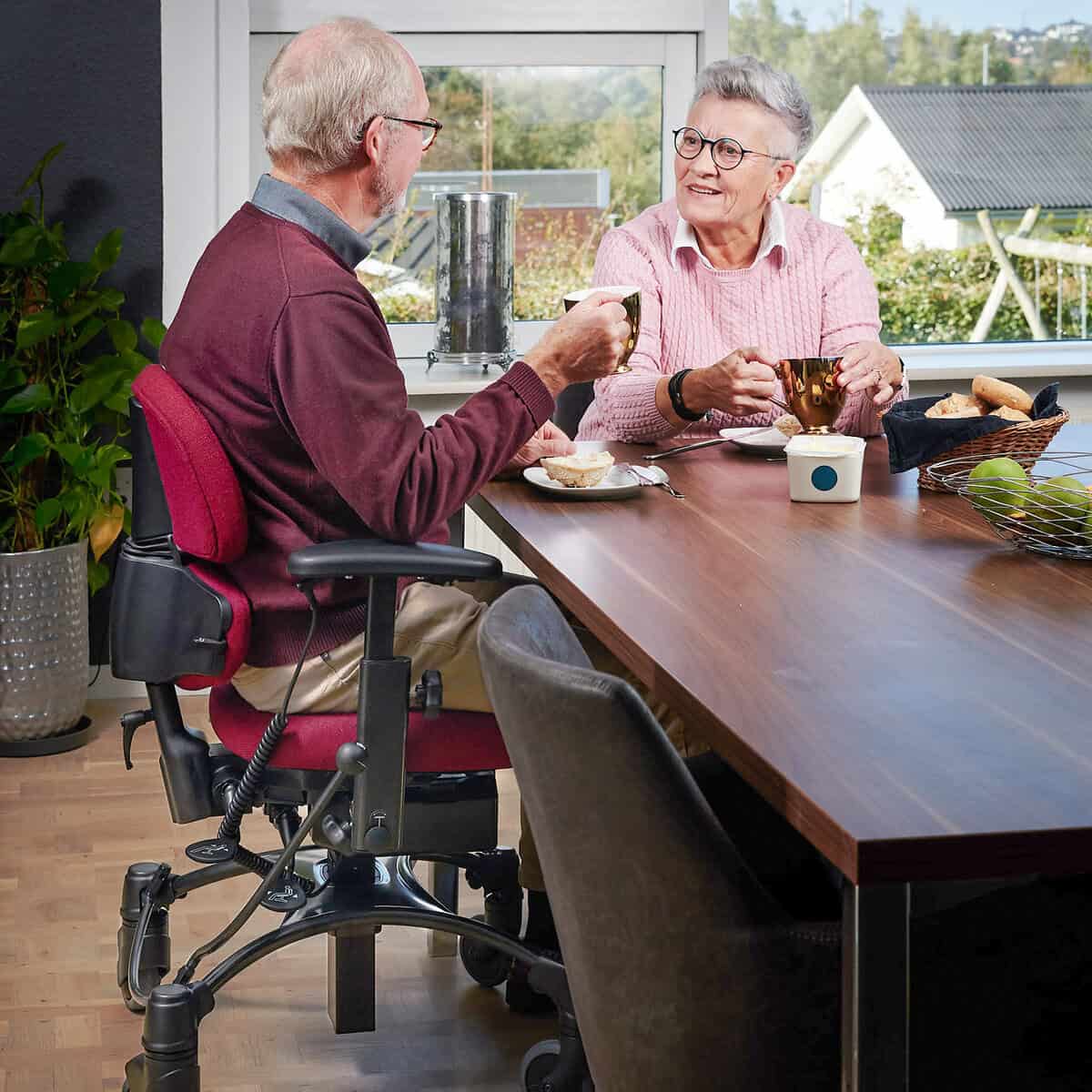
Transitioning into assisted living doesn’t signify a loss of independence. Despite potential challenges, older adults can choose solutions that facilitate maintaining their autonomy in their own homes. The VELA chair serves as a notable example among such innovations. This medically approved mobility chair is designed for use at home, providing enhanced safety, freedom of movement while seated, and support for daily activities like cooking, dressing, or transferring. It offers significant relief to informal caregivers, allowing seniors to live independently without compromising their quality of life.
Regulatory Developments and Quality of Care
Recent updates in South Carolina legislation may result in improved standards for senior care. Bill 81, introduced for the 2025-2026 session, addresses proposed revisions to staffing ratios in memory care and assisted living facilities, which could positively impact the quality of care provided to residents (South Carolina Legislature: Bill 81). Additional proposed bills include the Nursing Home Virtual Visitation Act (Bill 4646), which sets out requirements for virtual visitation and monitoring devices with privacy and consent provisions, and Bill 4524, which would require facilities to install and operate certain safety equipment (SC Legislature Bill 4646). Regulations governing assisted living continue to be overseen by the South Carolina Department of Health and Environmental Control (DHEC), with updates made as recently as November 2025 (SC DPH Community Residential Care Facilities). Families seeking care in South Carolina are encouraged to review these standards to ensure they align with expectations for safety and service quality.
Evaluating Senior Living Solutions in South Carolina
The evaluation of senior care solutions extends beyond understanding costs and financing options. Choosing between facilities and maintaining independence are also crucial considerations. For seniors in South Carolina, balancing these factors ensures they can find a living environment suited to their physical, social, and financial requirements. Further information can be sourced from Assisted Living.
In summary, while South Carolina’s assisted living costs remain competitive, assessing regional differences, pricing models, and viable financial support programs is vital. By balancing these elements with a focus on maintaining independence, possibly through supportive equipment like VELA chairs, seniors can enjoy a quality lifestyle without excessive financial strain. Ultimately, informed planning empowers seniors and their families to make confident decisions regarding their care and lifestyle.
Exploring Alternatives to Nursing Homes
The introduction of mobility solutions like the VELA chair allows seniors to stay independent at home for longer periods, effectively delaying the need for nursing home care. Designed with a central brake for safety, electric height adjustability, and the ability to easily maneuver while seated, the VELA chair supports various daily activities. Seniors benefit immensely from these features, enjoying enhanced safety, preserved energy, and increased freedom in their daily routines—whether cooking, cleaning, or simply relaxing.
These benefits not only maintain seniors’ dignity but also alleviate caregiver burdens significantly. While the VELA chair is one proven option, it’s important to recognize that other solutions exist to support aging in place. However, the VELA chair stands out as a practical and effective tool in prolonging independence and enhancing life quality. For more insights, consider exploring Support for Seniors Living Independently.
References
- South Carolina Assisted Living Association: Consumer Resources
- South Carolina Legislature: Bill 81 (2025-2026)
- South Carolina Legislature: Bill 4646 (2025-2026)
- SC DPH Community Residential Care Facilities
- Medicaid Planning Assistance: SC Medicaid Eligibility 2026
- Elderlife Financial – Cost of Care
- Assisted Living – Information Resource
- VELA Chairs – User Scenarios