

Updated January 2026: We have updated the article to reflect the latest 2026 trends in couples assisted living, including expanded aging-in-place models, personalized care plans for couples with different needs, increased technology integration such as smart-home features and AI-assisted mobility devices, as well as the growing popularity of larger unit designs supporting both togetherness and independence.
Couples Assisted Living: A Pathway to Togetherness and Care
As senior couples age, maintaining the harmony of living together while accessing necessary care becomes paramount. Couples assisted living is designed to cater to this very desire, providing an environment where partners can stay united while receiving personalized care tailored to their unique needs. With significant median monthly costs anticipated between $5,190 and $6,077 by 2025 according to A Place for Mom, understanding the emotional and financial aspects of these living arrangements is crucial for making informed decisions.
What Is Couples Assisted Living? Defining Shared Senior Care Options
Couples assisted living refers to specialized senior care facilities that emphasize the importance of keeping couples together as they navigate the challenges of aging. This concept not only addresses the shared living needs of partners but also their emotional and relational dynamics. According to Medicare.gov, assisted living offers help with daily care while allowing for more independence than a traditional nursing home. Facilities like Discovery Villages illustrate this by offering community engagement and customizable living spaces, ensuring couples can share their lives while receiving adequate care.
In practical scenarios, couples benefit from shared spaces that allow them to maintain their relationship while engaging in community activities that boost social interaction and reduce loneliness. This balance between independence and support creates an environment that resonates with the lifestyle many seniors seek. New living models, such as modular and co-housing arrangements, now offer even greater flexibility and privacy for couples who desire a blend of togetherness and independent living options, supporting both social connection and adaptable care as needs change[1][5]. Current trends show a rise in larger living unit designs, including two- and three-bedroom accommodations, enabling couples to have both shared and separate spaces as their needs evolve[7]. Aging-in-place models are also being increasingly adopted, supporting couples to stay together while transitioning between care levels within the same community[1][3].
Key Benefits: Emotional, Social, and Practical Advantages for Couples
Staying together has profound emotional benefits, significantly reducing feelings of loneliness and enhancing mental health. Socially, couples assisted living provides opportunities for shared activities that enrich their daily lives and strengthen their bonds. Facilities like Heritage Senior Living tailor adaptive solutions to couples with different care needs, allowing them to maintain their dynamics in a supportive context.
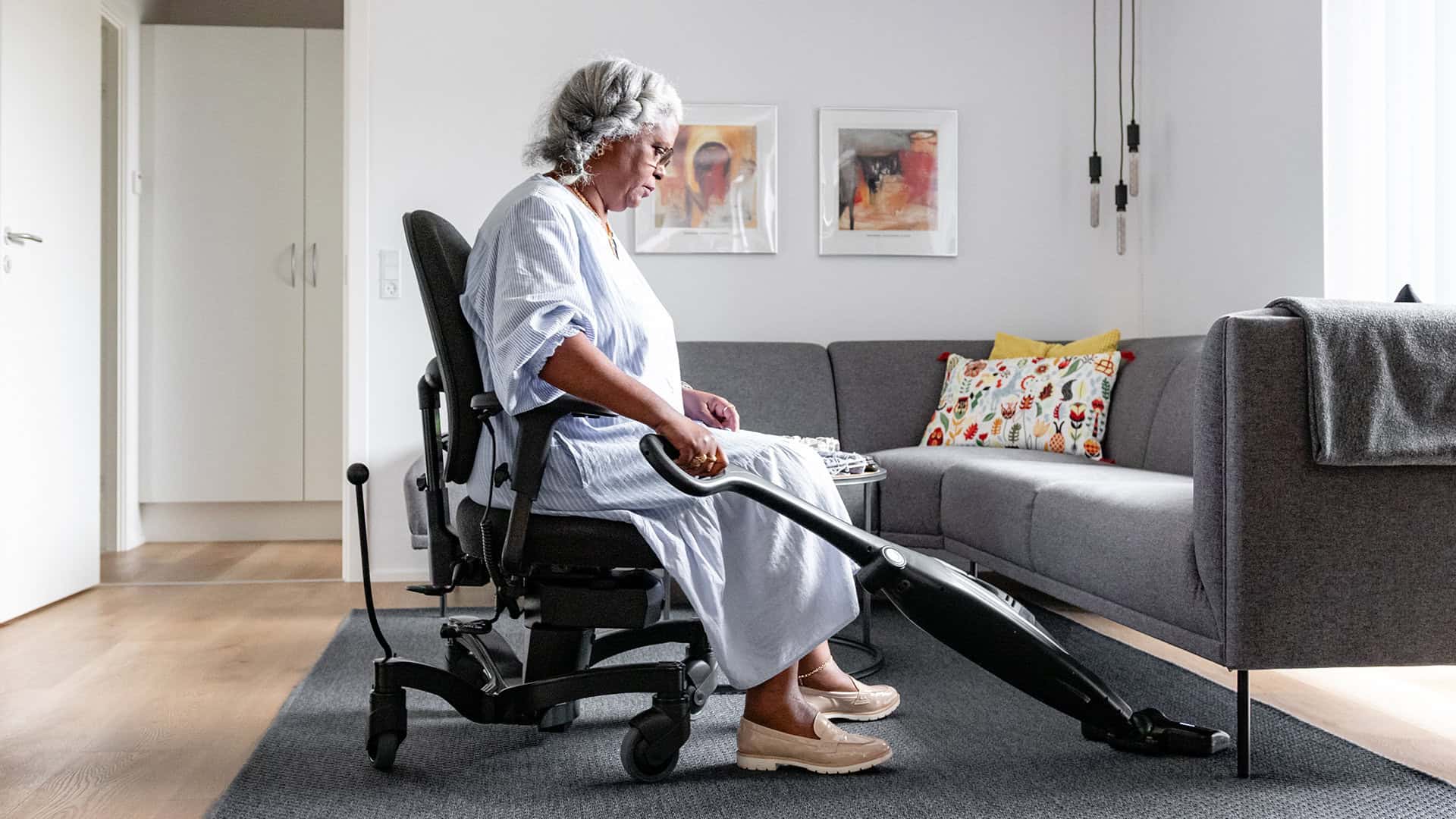
Aging together presents unique challenges in nursing homes, often causing separation from the familiar comforts of home. However, solutions exist that support seniors’ desire for independence in their own residences. Mobility aids like VELA chairs are instrumental in this regard. VELA is a medically approved mobility chair designed for use at home, providing enhanced safety, freedom of movement while seated, and support for everyday activities like cooking, dressing, or transferring. This not only facilitates a more independent lifestyle but also alleviates the load on informal caregivers, offering peace of mind to families.
Recent advancements in assistive technology are also transforming couples’ experiences in assisted living. AI-powered wheelchairs and mobility aids with features like obstacle detection and adaptive navigation now increase safety and independence, while wearable health monitors and AI smart glasses support daily activities for those with visual or cognitive challenges[2][4][6]. Voice-activated home control systems and brain-controlled prosthetics add further ease of use and autonomy for couples, allowing for more seamless blending of technology with everyday care. These innovations facilitate shared participation in activities, enhance communication, and address differing abilities within a couple[3][7][8]. Technology integration, including smart-home features and AI-assisted safety systems, is becoming a defining aspect of modern couples assisted living environments[3][7][9].
The ability to share experiences, from dining to participating in community events, is crucial. In assisted living settings, couples can engage in these activities with the reassurance of appropriate support systems, including mobility aids that increase safety and comfort.
When Couples Need Different Levels of Care: Solutions and Challenges
A common challenge arises when one partner requires more intensive care than the other. Some facilities address this with tiered care models, offering solutions such as memory care for one partner while providing independent living arrangements for the other. Heritage Senior Living exemplifies this flexibility, ensuring that couples can remain together even when their health needs diverge, as discussed in a guide on seniors with different care needs Heritage Senior.
Supporting couples with differing care needs is now made possible by integrating personalized, tech-enabled care plans within assisted living environments. These plans combine human-centered caregiving approaches with technology such as AI-powered mobility devices, wearable monitors, and smart home solutions, allowing both partners to receive care that matches their unique situations while maintaining closeness[2][5][7]. Modern regulatory and insurance programs, such as the expanded Australian NDIS, are also improving access and affordability to these advanced devices[2]. The shift toward personalized care plans for couples, rather than rigid levels of care, is increasingly central to new models of senior living[4].
Providing case studies of couples navigating these differences highlights the real-world application of such solutions. These stories demonstrate how facilities can cater to varying health demands while preserving the relational connection that many couples deem essential.
Embracing Togetherness in Senior Living
Couples assisted living is not merely a trend but a necessary evolution in senior care, driven by the dual goals of companionship and care. It offers an environment where seniors can thrive emotionally and socially, supported by facilities attuned to their distinct needs. The integration of mobility solutions, like VELA chairs, further enhances this experience by ensuring safety and promoting independence.
The emergence of AI-powered and smart assistive devices, wearable health monitors, and adaptive living arrangements delivers a more dynamic vision of togetherness in senior care. These tools not only foster dignity and autonomy but also support a vibrant, wellness-centered lifestyle for couples in assisted living, even as individual care needs change[3][5][6][7].
For those considering couples assisted living, the potential for maintaining togetherness amidst the challenges of aging makes it a worthy consideration. As reported by The Senior List, understanding the financial implications while focusing on the available emotional and practical benefits ensures that couples can make informed decisions for their future well-being.
By embracing these innovative living solutions, senior couples can continue to enjoy their shared lives, supported by a caring community that values their individuality and mutual bond.
Supporting Aging in Place: A Practical Option
As seniors opt to age in the comfort of their homes, mobility solutions like VELA Chairs provide a dynamic advantage. Supporting seniors living independently by enhancing safety and aiding mobility, these chairs reduce falls with features like a central brake and offer effortless height adjustments. This enhances autonomy during daily tasks such as cooking and dressing, which are often decisive factors in remaining at home longer. Moreover, minimizing energy exertion in transfers and seating changes can delay a premature transition to nursing homes, benefiting both the seniors and their caregivers.
Today, seniors and caregivers have access to advanced wearable medical robots, AI-integrated health trackers, and smart home systems for voice-activated control of lighting, climate, and communication[2][4][6][8]. These tools, alongside mobility chairs, support the maintenance of dignity and independence while reducing caregiver burden and improving peace of mind for families.
These features not only support the maintenance of dignity and independence but also underscore the importance of practical help for seniors who wish to continue living outside of institutional settings. While VELA is an effective solution, exploring other available home support solutions for older adults is essential to find the best fit for each individual’s unique needs.
Sources
- Align Senior Care, Senior Living Trends 2025: Discusses emerging senior living models, including flexible living, co-housing, and affordable assisted living. Source
- AssistiveTechHub.com.au, Top Assistive Tech Innovations in 2025: Covers smarter mobility aids with AI, voice-activated home control systems, and wearable health monitoring devices.
- Juniper Communities, Senior Living Trends in 2025: Highlights personalized care, wellness-centered spaces, and memory care innovations fostering dignity and joy. Source
- Nabroward.com, Revolutionizing Accessibility: The Latest Innovations in Assistive Technology 2025: Details NeuroVision Pro smart glasses and advanced mobility solutions using AI and neural interfaces.
- A Place for Mom, Senior Living for Couples 2025: Explores flexible senior living options for couples with different care needs, emphasizing choice and togetherness.
- ThinkBeyondTheChair.org, The Best Assistive Tech Gadgets in 2025: Reviews AI-powered smart glasses and brain-controlled prosthetics improving independence.
- Chattr.ai, 5 Emerging Senior Living Trends 2025: Focuses on technology integration and wearable health monitors improving resident care and family peace of mind.
- ConnsenseReport.com, CES 2025 Award-Winning Assistive Tech Innovations: Presents advanced robotic prosthetics like the Bio Leg improving gait and mobility for amputees.
- Heisinger Bluffs, The Future of Senior Living: Trends to Watch: Explores smart home integration and telemedicine developments in senior living. Source
- McKnight’s Senior Living, Seven Trends in Senior Living That Will Define 2025 and Beyond: Reviews affordable, middle-market solutions and evolving care models. Source
- Distinctive Living, Senior Living Marketing Trends in 2025: Covers personalization and technology advances in senior living. Source
- CLAconnect, Senior Living Industry Trends: Examines financial, regulatory, and technological shifts influencing senior care delivery. Source
- Senior Housing News, Senior Living Executive Forecast 2025: Alan Butler discusses health and wellness emphasis, and modifications for couples living. Source