

Updated September 2025: We have updated the article with new findings on advanced assistive technologies, including AI-powered devices, smart wheelchairs, and ergonomic innovations in mobility and rehabilitation. The latest regulatory priorities for quality care and workforce stability, as well as evolving quality assessment criteria in assisted living, are also included.
Navigating Assisted Living: Understanding the Criteria for a Balanced Senior Care Experience
In recent years, assisted living has emerged as an essential service for seniors who require assistance but aim to maintain independence in their daily lives. According to the Illinois Department of Public Health, every facility must adhere to specific licensing and regulatory requirements, ensuring safety and quality for its residents. When considering assisted living, understanding the criteria that qualify individuals for this type of care is crucial.
Defining Assisted Living: A Middle Ground Between Home Care and Nursing Homes
Assisted living provides a unique blend of residential housing, personal care services, and healthcare tailored to individuals who need help with daily tasks but do not require round-the-clock medical care, distinguishing it from nursing homes and home care. For example, consider Mrs. Johnson, a senior living with mild dementia; she no longer can safely live independently due to occasional disorientation but does not need the intensive care provided by a nursing home. Assisted living enables such individuals to maintain a semblance of their previous lifestyle while receiving necessary support. Facilities are equipped to manage mild physical limitations and provide memory support, making them a versatile option for various needs, aligning with state-specific standards.
Who Qualifies for Assisted Living? Understanding Admission Criteria
Prospective residents typically need assistance with activities of daily living (ADLs) such as bathing, dressing, and medication management to qualify for assisted living. Cognitive impairments, like those experienced with early-stage dementia, often play a significant role in the qualification process. Facilities implement pre-admission screenings and functional assessments to verify they can meet the resident’s needs. According to the Illinois HFS Resident Fact Sheet, residents must undergo screenings to assess their need for the services provided. These assessments ensure the supportive living environment matches the individual’s functional risks and needs.
Regulatory Framework: Ensuring Safety and Quality in Assisted Living
Assisted living operates within a regulated framework prioritizing resident safety and quality of care. Both state and national regulations dictate licensing, staff qualifications, and patient safety protocols. The Joint Commission’s National Patient Safety Goals emphasize clear communication, risk management, and staff training as critical to maintaining high standards. Recent regulatory updates highlight person-centered approaches, workforce stability, and proactive reimbursement innovation, according to the American Health Care Association, 2025 Policy Priorities. There is an increased focus on reducing bureaucratic barriers and improving accessibility and quality of care for the growing elderly population. Quality rating systems such as CMS’s Five-Star Quality Rating System remain critical, with expanding attention to specialty care, resident satisfaction, and family involvement in assessments.
Financial Considerations: Funding Your Assisted Living Journey
Financing assisted living requires careful planning. For many, Medicaid eligibility—entailing income and asset limitations—is a crucial consideration. For instance, Medicaid Planning Assistance outlines financial thresholds such as an income cap of $1,304.17/month and a $17,500 asset limit for Illinois residents. Some families may opt for private pay options, necessitating an understanding of monthly costs and available services. By balancing these factors, families can make informed decisions tailored to their financial resources and their loved one’s care needs.
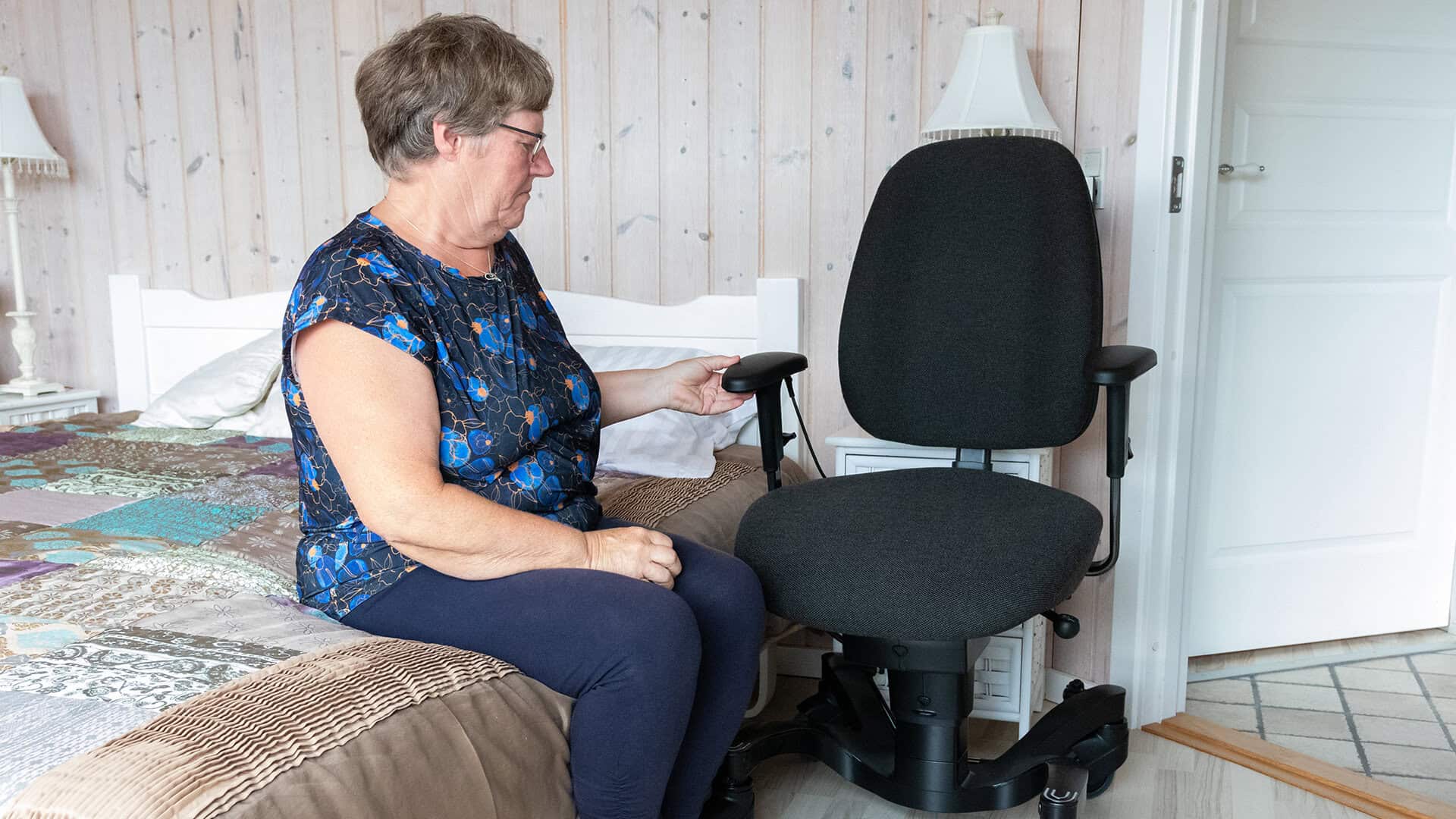
Mobility within assisted living settings is a vital aspect of resident independence and safety. As individuals navigate away from the intensively monitored environment of nursing homes, retaining independence in their own homes becomes a priority. Solutions like the VELA Chair, a medically approved mobility chair, emerge as practical options. Designed for at-home use, it provides enhanced safety, allows freedom of movement while seated, and supports daily activities including cooking, dressing, and transferring. Such aids are pivotal in reducing the caregiving load while maintaining a dignified and autonomous living experience. The assistive technology landscape in 2025 also includes AI-powered smart glasses for visual impairment, brain-controlled prosthetics, and smart wheelchairs featuring autonomous navigation and sensor-based ergonomic improvements, contributing to increased mobility and comfort for residents in both assisted living and home care environments.[2][4][6]
Navigating Assisted Living: A Balanced Approach to Senior Care
Choosing the right assisted living facility is multifaceted, involving assessments of eligibility criteria, understanding the regulatory landscape, and navigating financial planning. Assisted living offers a supportive environment that balances independence with necessary care, backed by stringent safety standards and innovative mobility solutions like the VELA Chair. By approaching this decision with comprehensive knowledge, families can ensure their loved ones receive care prioritizing safety, dignity, and enriched living experiences. As assistive technology evolves, devices featuring AI customization and smart integration provide greater user independence and comfort, increasingly supported by funding programs to broaden accessibility.[4][6]
Supporting Aging in Place: A Practical Option
For many seniors, the goal is to stay at home longer while maintaining their independence. VELA Chairs cater to this desire by offering solutions that address common challenges such as safety, energy management, and ease of movement. With features like a central brake for safety and electric height adjustability, these chairs make daily tasks like cooking and cleaning not only manageable but also enjoyable, allowing for significant energy savings and reducing the physical demands on caregivers. This equipment effectively delays the need for more intensive care settings, preserving the person’s freedom and dignity. Recent advances in ergonomic design, such as sensor-based pressure adjustments and adaptive weight distribution, offer further enhancements in comfort and safety. The incorporation of smart technologies into mobility aids and rehabilitation routines allows seniors greater autonomy and facilitates remote monitoring and self-management.[6]
Exploring alternatives such as Mobility Chairs for Daily Support and Senior-Friendly Living Solutions can help individuals maintain independence longer while ensuring their safety and comfort.