

Updated September 2025: We have updated the article to include UnitedHealthcare’s new policy on streamlined therapy approvals for assisted living residents, expanded details about Care Advantage Special Needs Plans, and improved guidance on access to outpatient rehabilitation and supportive care services relevant to mobility and assistive technologies.
Understanding UnitedHealthcare’s Coverage of Assisted Living
When planning for long-term care, a common question is, “Does UnitedHealthcare cover assisted living?” Understanding this is vital, especially for those on a fixed income seeking the best care options. The cost of assisted living in the U.S. typically ranges from $4,500 to $6,000 per month, with expenses often exceeding this in larger metropolitan areas. While insurance and government benefits provide crucial financial support for seniors, UnitedHealthcare does not generally cover assisted living costs. According to Caring.com, retirees should explore other financing means, such as selling a home or opting for long-term care insurance.
Does UnitedHealthcare Cover Assisted Living? Current Facts and Limitations
UnitedHealthcare’s Medicare Advantage and Medigap plans do not typically cover assisted living expenses, such as room and board. However, some states offer Medicaid plans that might cover personal care services in these facilities, although this is not widespread. For instance, a senior living on a fixed income might have to explore different financing options, including state-specific Medicaid waivers, personal savings, or asset liquidation. UnitedHealthcare’s Medicaid Long-Term Care page indicates available home, community, and personal care services, yet this does not extend to full assisted living coverage. As of January 2025, UnitedHealthcare has updated its policy to allow up to 6 outpatient therapy visits (such as physical and occupational therapy) within an initial care plan in assisted living and long-term care settings without requiring prior clinical review. This change is designed to enable faster access to rehabilitation and mobility support, reducing administrative barriers and potentially improving outcomes for residents with mobility or disability challenges. HealthPro Heritage.
Types of Senior Care Covered by UnitedHealthcare Plans
UnitedHealthcare provides coverage for services like skilled nursing care and home health via Medicare Advantage. These plans differentiate between skilled nursing, which involves medical care and therapy, and custodial care, focusing on personal assistance. According to SeniorLiving.org, UnitedHealthcare’s Medigap plans can cover up to 100 days of nursing home stays, which is crucial for post-surgery recovery scenarios. This emphasizes the importance of understanding policy specifics to maximize benefits effectively. Additionally, UnitedHealthcare now offers specialized Medicare Advantage plans for residents of assisted living, such as the Care Advantage Special Needs Plans (IE-SNP). These institutional-equivalent plans provide a package of additional benefits that go beyond Original Medicare, including prescription drugs, vision and dental coverage, transportation, and a dedicated care team to support coordinated care for those in assisted living communities. This approach may also integrate access to assistive technologies and rehabilitation services as part of a comprehensive care strategy. UnitedHealthcare Care Advantage.
How to Finance Assisted Living: Insurance, Medicaid, and Out-of-Pocket Options
Given the limitations of coverage under UnitedHealthcare plans, identifying alternative financing strategies is essential. Solutions like selling a home or using long-term care insurance can be viable. The variability in Medicaid coverage across states further complicates planning, making local market understanding critical. For example, one family, faced with financing a loved one’s transition to assisted living, had to balance personal savings against potential Medicaid benefits, ensuring they navigated this complex landscape practically, supported by resources like SeniorLiving.org.
Innovations in Elderly Care: The Role of Assistive Devices and Furniture
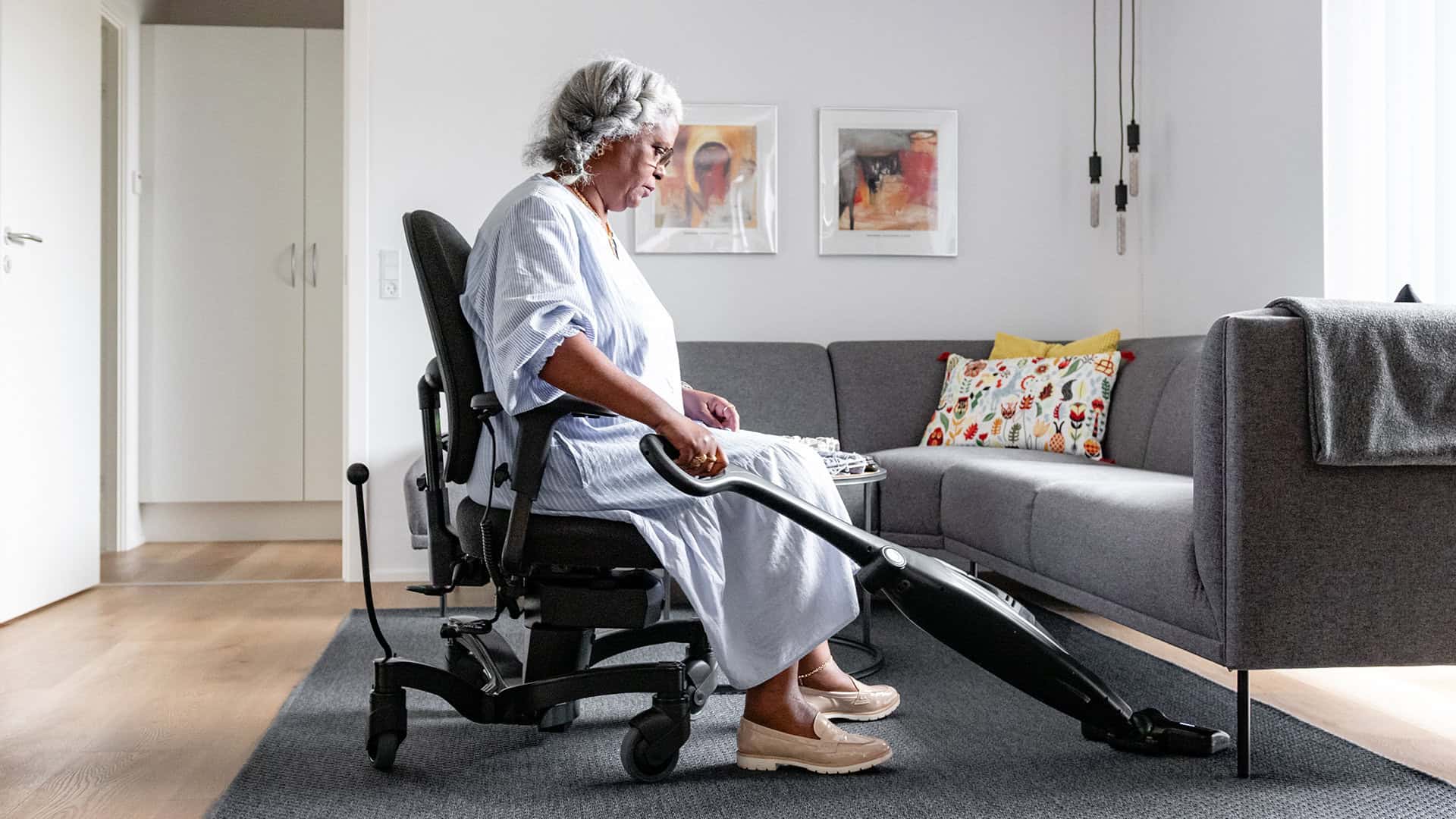
As the challenges associated with nursing home care are significant, such as limited independence and potentially high costs, the integration of supportive solutions can make a difference in home settings for seniors. Tools like medically approved mobility devices provide an avenue for preserving autonomy and safety while remaining in one’s own home. The VELA Independence Chair represents a practical solution in this regard. It is specifically designed to offer enhanced safety and freedom of movement with features like height-adjustable seating, a central brake system, and support for everyday activities such as cooking and dressing. This support also alleviates some of the physical and emotional burdens on informal caregivers, making it easier for both seniors and their families to manage daily life. The recent UnitedHealthcare policy enhancements to expedite outpatient therapies within assisted living settings strengthen the connection between insurance and the practical application of assistive devices, as rehabilitation professionals can more efficiently recommend and train residents in the use of such equipment when clinical need is established.
Supporting Aging in Place: A Practical Option
The VELA Independence Chair exemplifies how mobility solutions can aid elderly individuals in maintaining their independence at home longer. These chairs provide crucial benefits like a central brake for enhanced safety, electric height adjustability for easier transfers, and effortless movement while seated, addressing key challenges faced by seniors. By reducing the physical strain on both the users and their caregivers, these chairs often delay the necessity for a nursing home, thereby preserving dignity and supporting freedom. Studies indicate that such solutions, which also facilitate everyday tasks like cooking and relaxing, play a significant role in enhancing quality of life. While VELA is not the sole answer to aging at home safely, it is a proven and practical option, as outlined in chairs designed for elderly independence, making it an important consideration for those evaluating alternatives to assisted living. With increased access to therapy services through UnitedHealthcare’s updated policy, residents and caregivers should recognize the opportunity for more streamlined therapeutic support and earlier intervention with mobility and assistive equipment within assisted living communities.
Caring.com;
UnitedHealthcare – Medicaid Long-Term Care;
SeniorLiving.org;
HealthPro Heritage;
UnitedHealthcare Care Advantage