

Updated September 2025: We have updated the article to reflect new advancements in assistive technology, including AI-powered mobility aids, next-generation health monitoring wearables, intelligent home adaptation, telehealth, cognitive support devices, and expanded policy initiatives that now offer more options for seniors wishing to age in place. The update highlights these technologies as compelling alternatives to assisted living and addresses improvements in device personalization, accessibility, and the integration of smart systems for enhanced senior independence and safety.
Addressing the Challenge When an Elderly Parent Refuses Assisted Living
Addressing the challenges of an elderly parent refusing assisted living can be a complex mix of emotional, practical, and legal considerations. Many families face this dilemma, as data reveals that approximately 75% of seniors desire to age in place, even as families express genuine safety and care concerns
A Place for Mom. Understanding the reasons behind the refusal is crucial for families to explore solutions that meet both their needs and those of their elderly loved ones. According to
A Place for Mom, supporting elderly parents while planning for future care needs is necessary for creating a harmonious care environment.
Why Do Elderly Parents Refuse Assisted Living?
For many seniors, the idea of moving into assisted living can feel like a loss of independence, deeply intertwined with their emotional attachment to their homes and communities. Misconceptions about assisted living facilities being impersonal or restricting add to this resistance. Consider the case of an 80-year-old parent with mild cognitive impairment who insists on staying home, fearing the loss of treasured routines and the comfort of familiarity. According to
Senior Services of America, acknowledging these emotional concerns allows families to approach the topic with empathy and understanding. Strategies such as involving parents in discussions and highlighting the benefits of assisted living, like enhanced social interaction, can help alleviate fears and open the door to constructive dialogue.
Navigating Legal and Ethical Challenges When Parents Refuse Care
When an elderly parent refuses needed care, families often grapple with legal and ethical concerns. Seniors have the legal right to make their own decisions, and obtaining guardianship is a complex, court-monitored process reserved for situations of incapacity. The experts at
AgingCare emphasize respecting seniors’ independence while balancing safety concerns. For example, a family considering legal guardianship for a parent with advanced dementia must navigate the fine line between ensuring safety and violating personal rights. Consulting with legal experts who specialize in elder care can provide valuable guidance in such situations.
Effective Communication Strategies with Elderly Parents Refusing Assisted Living
To foster positive conversations about transitioning to assisted living, families must employ emotional and practical strategies. Initiating these conversations without conflict can begin with actively listening to and validating a senior’s perspective. For instance, a daughter might use empathetic communication, as guided by
Abramson Senior Care, engaging her mother in discussions about care options. This approach encourages mutual understanding and paves the way for collaborative decision-making. By exploring concerns and discussing both realities and misconceptions about assisted living, families can help alleviate fear and resistance.
Exploring Alternatives: Supporting Elderly Parents at Home
When an elderly parent refuses assisted living, exploring practical alternatives like home modifications, connected technology, and in-home care becomes essential. Recent advancements in assistive technology have opened new doors for seniors wishing to age in place. Next-generation health monitoring wearables now track a range of health indicators in real time, reducing emergency hospitalizations through early detection[1]. AI-powered mobility aids, including robotic exoskeletons and smart wheelchairs equipped with stabilization, GPS, and collision avoidance, offer greater independence and reduce the risks associated with daily movement[3].
Modern smart home systems, integrating artificial intelligence and the Internet of Things, can automatically adjust lighting, temperature, and security, while detecting unusual activity and providing emergency alerts or medication reminders[1]. Enhanced telehealth services and remote monitoring enable virtual doctor visits and seamless sharing of health data with caregivers, supporting a safer and more independent lifestyle at home[2].
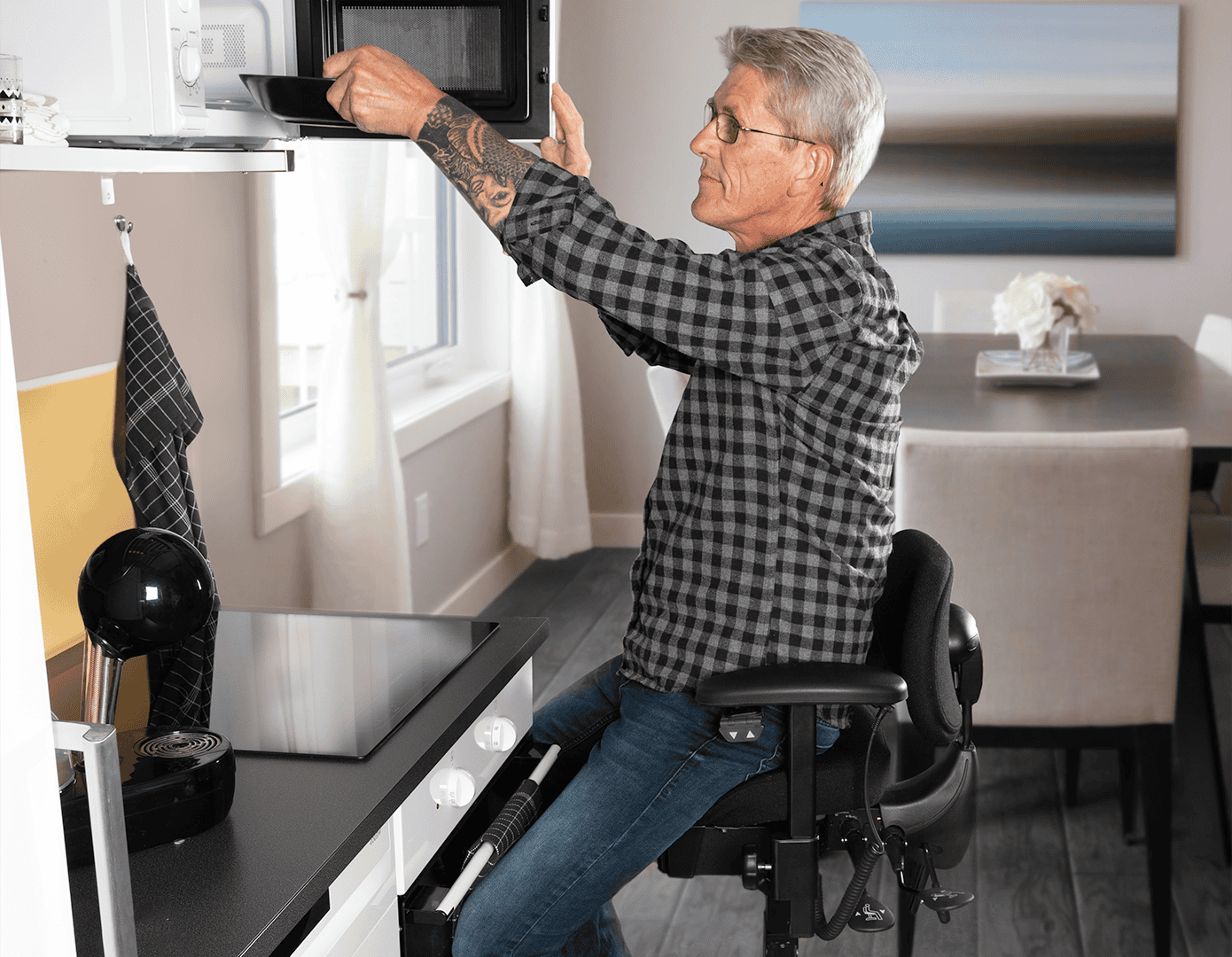
In addition to traditional adaptive equipment like VELA chairs, these new technologies further empower families to address mobility, health, and safety concerns while maintaining the cherished familiarity of home. Device personalization—now possible with 3D printing and advanced biomaterials—ensures an ergonomic fit for each user, and innovative tools such as AI cognitive support apps assist with anxiety and memory, especially for those living with dementia[5][6].
Accessibility programs and regulatory changes worldwide are also making advanced assistive technologies more affordable, offering broader support for seniors preferring home-based care[4]. By integrating these modern solutions, families enable loved ones to maintain mobility and safety, addressing both present needs and future care requirements.
References
- INTCO Medical: Overview of 2025’s top assistive technologies, including wearables, robotic mobility aids, and smart home systems, with references to recent clinical studies.
- Cyces: Analysis of AgeTech trends, telehealth expansion, and the shift toward connected care ecosystems in 2025.
- Everything Medical Online: Detailed review of smart wheelchair and mobility aid innovations, including AI integration and user-centered design.
- Next MSC Report: Market analysis highlighting policy initiatives (e.g., India’s DEPwD, Singapore’s Enabling Village) and affordability trends in assistive devices.
- iHealthcareAnalyst: Technological deep-dive into AI, IoT, 3D printing, biomaterials, and BCIs in assistive device development.
- The Good Life SV: Coverage of CES 2025 AgeTech innovations, including cognitive health apps and devices, with survey data on senior tech adoption.