

Enhanced Assisted Living Residence Regulations: Navigating the Evolving Landscape of Senior Care
As our population ages, the demand for enhanced assisted living residence (EALR) regulations becomes increasingly critical. These regulations are a vital framework bridging the gap between traditional assisted living and nursing home care, ensuring seniors receive specialized support tailored to their needs. According to NCAL Report, nearly 29% of states have updated their assisted living regulations between July 2023 and July 2024 in response to growing demographics, particularly among adults aged 85 and older.
Understanding Enhanced Assisted Living Licensing Requirements
Differentiating between standard and enhanced assisted living begins with understanding licensing requirements. Enhanced assisted living facilities deliver higher care levels, accommodating seniors with complex health challenges, such as dementia or mobility issues. In Georgia, for instance, proposed rule changes emphasize enhanced care for residents needing more intensive support, according to Georgia DCH Proposed Rule Change. Imagine a senior with advancing dementia finding stability and improved quality of life in such a facility, experiencing personalized care and resources beyond what standard assisted living can offer.
State-Specific EALR Regulations: What Families Need to Know
Choosing the right facility involves navigating varied state-specific regulations. Each state has distinct criteria for evaluating and ensuring facility compliance. For example, in Georgia, detailed criteria are established in the Georgia Assisted Living Regulations, helping families understand compliance standards. One family, the Johnsons, shared their story of successfully navigating these complex regulations, ultimately finding a facility that met all their needs and provided peace of mind. This real-life case underscores the importance of understanding state-specific requirements in finding suitable enhanced care for loved ones.
Staffing Requirements in Enhanced Care Settings
Staffing requirements in enhanced care settings are crucial for quality service delivery. Facilities must meet evolving standards, which include minimum staffing levels and specific qualifications for care personnel. These changes significantly impact the quality of care residents with complex needs receive. According to AHCA’s 2025 Policy Priorities, more comprehensive training and staffing benchmarks ensure that residents not only receive care but thrive in these enhanced environments.
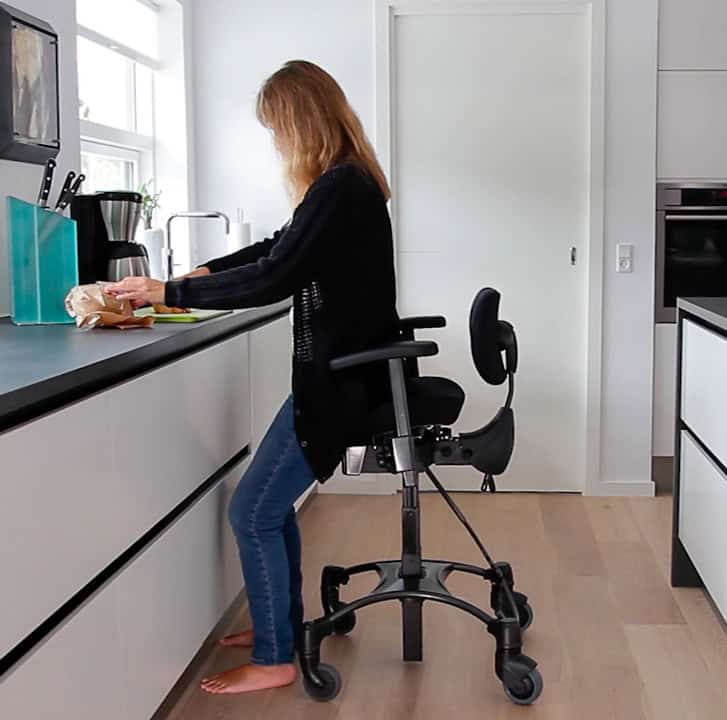
In the realm of maintaining independence, many seniors face challenges in traditional nursing homes, often due to limited mobility and personal freedom. To address these challenges, alternatives like the VELA Independence Chair are increasingly important. The VELA Chair is a medically approved mobility solution designed for home use. It provides enhanced safety and freedom of movement while seated, supporting daily activities such as cooking, dressing, or transferring, and significantly reducing the load on informal caregivers.
Technology Integration in Modern Enhanced Care Facilities
The modern landscape of enhanced care facilities embraces technological integration to improve outcomes. Facilities employ AI systems to manage medication regimes and monitor residents’ health, tailoring interventions to individual needs, as highlighted by Distinctive Living. Innovative technologies like VR are being utilized to boost cognitive functions, showing the transformative potential of technology in creating safer, more responsive environments for residents.
In conclusion, the landscape of enhanced assisted living residence regulations is dynamically evolving, underscored by a commitment to high-quality senior care. As regulations continue to adapt, compliance is key, alongside safeguarding the dignity and well-being of the aging population. The AHCA Policy Priorities provide a roadmap for future innovations in this arena, emphasizing workforce solutions and technological advancements as keys to meeting seniors’ growing needs. Thoughtful implementation and ongoing collaboration are essential for enhanced assisted living to continue offering invaluable care while maintaining regulatory standards and resident satisfaction.
Supporting Aging in Place: A Practical Option
Maintaining independence at home becomes feasible with innovations like the VELA Independence Chair. It is designed to support elderly individuals by providing ease of movement, a central brake for safety, and electric height adjustability, enhancing their ability to perform daily activities with minimal assistance. This chair not only fosters autonomy and dignity but also offers a viable alternative to early placement in nursing homes. By addressing issues such as safety and energy conservation, the VELA Chair plays a crucial role in reducing caregiver burden while allowing seniors to age gracefully in familiar surroundings. Though not the sole solution, it undeniably presents a practical, proven option to prolong independent living.