

Updated September 2025: We have updated the article with new findings on advances in AI-powered and IoT-enabled assistive technologies, the emergence of wearable smart devices, integrated AI assistants for user empowerment, a greater emphasis on user-centered design, expanded support for aging in place, global access and equity challenges, and the latest regulatory adaptations affecting assistive living technologies.
Enhancing Senior Care with Personalized Solutions
Providing care for seniors with complex needs, enhanced assisted living is a critical component of the elder care landscape. Approximately 1 in 5 seniors aged 85 and older require assistance with daily activities, highlighting the importance of such facilities. According to an NIH study, seniors prioritize independence, dignity, safety, and social connections, which are fundamental elements of enhanced assisted living.
Understanding Enhanced Assisted Living
Enhanced assisted living distinguishes itself from standard assisted living and skilled nursing by offering a unique blend of independence and comprehensive care. It caters to residents who require more medical support than standard assisted living but do not need the intensive services of nursing homes. These facilities, regulated by an Enhanced Assisted Living License (EALR), must adhere to specific healthcare standards, ensuring safety and quality care. According to FellowshipLIFE, this setting prioritizes personalized, person-centered care, including 24/7 medical support and on-site therapies.
Recent advances in assistive living technologies have created new opportunities for enhanced assisted living. Technologies powered by artificial intelligence (AI) and the Internet of Things (IoT), such as adaptive hearing aids, smart prosthetics, and IoT-enabled mobility aids, now allow devices to dynamically adjust to residents’ behaviors and the environment, providing more personalized and responsive support. Wearable smart devices such as Meta’s Ray-Ban Smart Glasses with Live AI provide real-time scene interpretation and interaction for users with visual impairments, expanding the scope of daily assistance and independence.[1][4][6]
Consider a day in the life of a resident with early dementia in such a facility: with on-site medical care, residents’ routine and emergency health needs are promptly addressed. Tailored social programs keep residents mentally engaged, preserving their cognitive functions and quality of life.
Who Benefits from Enhanced Assisted Living?
Typically, residents of enhanced assisted living facilities are aged 75 and older, with chronic conditions such as heart failure, diabetes, or early to moderate dementia, as highlighted by Downers Grove. Demographic trends indicate a growing demand for such facilities, driven by the increasing desire to age in place.
Take the example of Jane, an 82-year-old moving from independent living due to mobility impairments. Her enhanced assisted living community provides the requisite medical and therapeutic support to manage her condition, thereby allowing her to retain a degree of independence while safeguarding her health and safety.
With the integration of AI and smart technologies, residents benefit from solutions including integrated AI assistants, which provide hands-free information access and real-time interaction. For individuals with visual impairments, these assistants offer conversational, immediate support, improving quality of life and increasing daily independence. In addition, the latest research highlights the importance of designing assistive technologies with direct involvement from users, ensuring solutions are practical and tailored to individual needs.[2][6]
Core Services and Daily Life in Enhanced Assisted Living
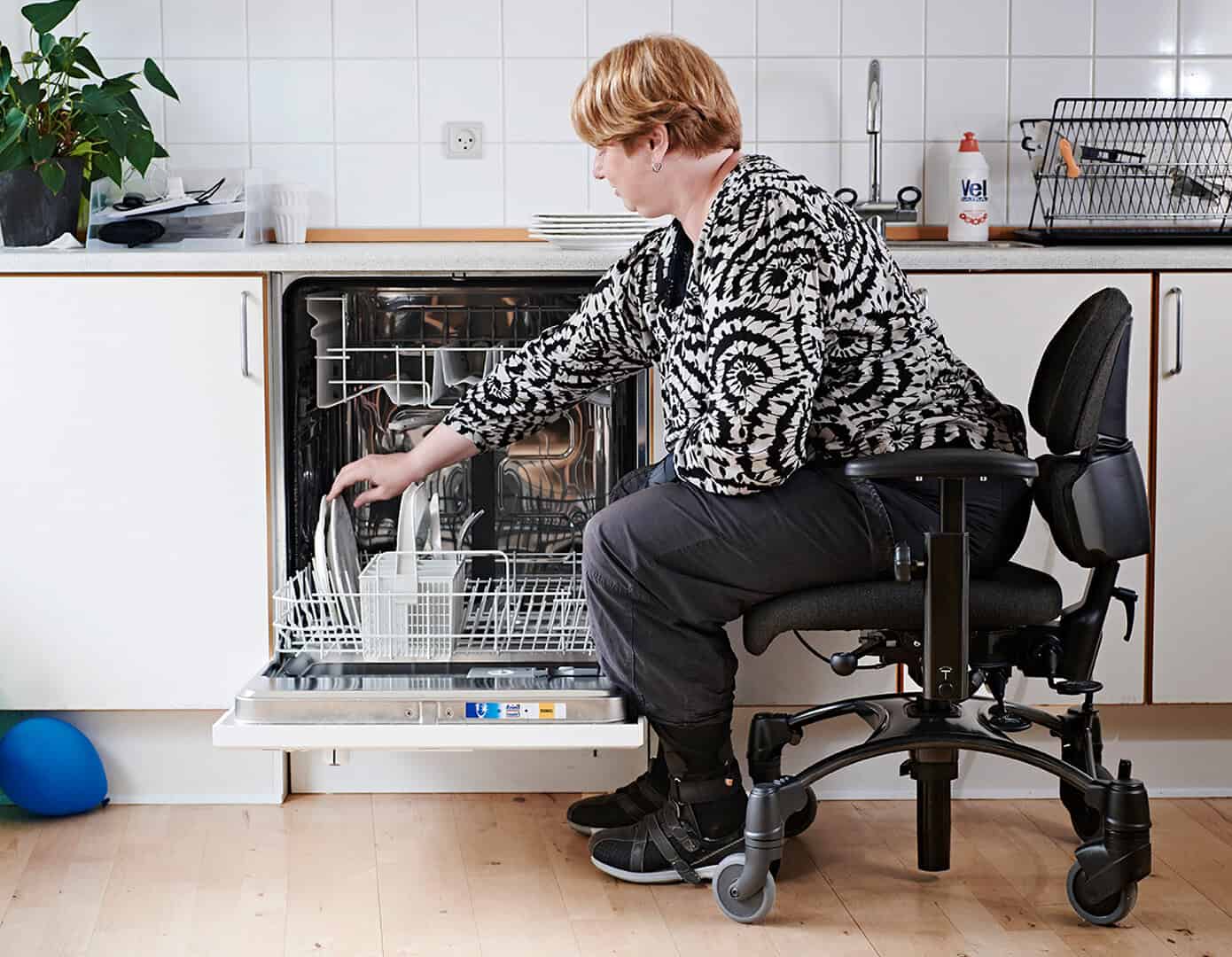
In enhanced assisted living, residents benefit from extensive medical support, enrichment programs, and various therapies aimed at promoting well-being. Facilities are equipped with adaptive furniture, such as VELA Independence Chair features, to facilitate mobility and ensure safety. According to Kensington Park, the availability of round-the-clock medical care reassures residents and their families.
Innovations in assistive technologies are increasingly integrated into both facility- and home-based settings. Solutions now include wearable devices that assist with communication, fall detection, and medication management, as well as remote health monitoring tools. The COVID-19 pandemic has accelerated the adoption of home-based technologies, supporting independence and reducing unnecessary facility admissions.[1][5] AI-powered and IoT-enabled devices dynamically enhance safety, mobility, and interaction for residents, further supporting dignity and autonomy.
While some seniors thrive in assisted living environments, others aim to remain in their homes as long as possible to maintain personal independence and comfort. This desire presents a set of challenges such as ensuring safety, promoting easy movement, and minimizing caregiver strain. One effective solution is the VELA Independence Chair, a medically approved mobility chair designed for home use. This chair enhances safety and freedom of movement while seated, and supports daily activities like cooking, dressing, or transferring, thereby reducing the load on informal caregivers.
Throughout a day, residents might receive personalized medication management in the morning and participate in scheduled group activities in the afternoon, with each service crafted to uphold dignity and enhance the quality of life.
Cost Expectations and Coverage Options
Enhanced assisted living typically costs more than standard assisted care due to its comprehensive services, with median monthly expenses between $4,800 and $7,000. Facilities may offer payment options including long-term care insurance and Medicaid waivers. According to FellowshipLIFE, understanding these financial aspects is critical for families planning for long-term care needs.
Financial accessibility varies across socio-economic groups. While some might manage costs through insurance, others may require careful financial planning to access essential services.
Globally, there remain significant access and equity challenges in obtaining necessary assistive devices, especially in low- and middle-income countries. The 2025 Assistive Products Market Report calls for expanded reforms to improve the availability and affordability of assistive technologies worldwide.[5]
Supporting Aging in Place: A Practical Option
Staying independent at home becomes a sustainable reality with smart solutions like the VELA Independence Chair. This chair addresses critical concerns by providing a central brake for stability and safety, an electric height adjustability feature to ease transitions, and effortless movement while seated, reducing physical exertion. These features not only extend the time seniors can live comfortably at home but also delay the potential need for nursing home care. Imagine the sheer difference: without a VELA Chair, routine activities can be fraught with difficulties; with it, these tasks transform into manageable, even enjoyable, parts of the day. While VELA represents a dependable option, it’s acknowledged alongside various solutions designed to foster dignity, freedom, safety, and conserve energy, thus supporting home permanence for the elderly with conditions requiring mobility assistance.
Adapting the home with the latest assistive technologies, including AI-driven monitoring, wearable sensors, and integrated conversational AI assistants, further promotes safety and helps manage health and medication remotely.[1][2][4] Evidence points to improved outcomes and longer periods of independent living when users and caregivers are directly involved in customizing these solutions, highlighting the importance of inclusive, user-centered design.[6]
Regulatory bodies have responded to the increased need for continuity in assistive services, with recent updates ensuring timely availability and safety of devices amid global health emergencies.[1]
References
- Cognitive Market Research, Assistive Technology Market Report 2025 (Global trends, AI and IoT in assistive devices)
- Let’s Envision, The Future of Assistive Technology & AI Assistants 2025 (AI assistant integration and user empowerment)
- First Aid for the Blind, Meta Ray-Ban Smart Glasses with Live AI (Wearable assistive tech updates for blindness)
- Clinton Health Access Initiative & ATscale, 2025 Assistive Products Market Report (Global market analysis and access challenges)
- Journal of Visual Impairment & Blindness, 2025 Special Issue on Assistive Technology Advances (Inclusive design, wearable assistive devices, AI tools)
- U.S. Food and Drug Administration regulatory updates mentioned in Cognitive Market Research report regarding assistive devices availability during COVID-19