

Updated February 2026: We have updated the article to include the latest assistive technology developments—such as AI-enabled smart wheelchairs, advanced wheelchair attachments, and exoskeleton clinical trials—and the 2026 regulatory changes impacting Pennsylvania assisted living. Expanded details address new care planning standards, innovative mobility solutions, and expert trends supporting senior independence in Erie facilities.
A Comprehensive Guide to Erie PA Assisted Living
When considering assisted living facilities in Erie, PA, the first step is understanding the options available and what they entail for seniors and their families. In Erie, where approximately 16% of the population is aged 65 and older, according to the U.S. Census Bureau, there’s a clear demand for senior care services. With 15-20 licensed assisted living and personal care homes supported by Erie County, as noted by the Pennsylvania Department of Human Services, families have a variety of choices to consider for their loved ones.
Understanding assisted living in Erie, PA: services, standards, and senior demographics
Assisted living facilities offer a middle ground between independent living and full-time nursing care. In Erie, these facilities are designed to provide support with daily activities such as bathing, dressing, and medication management while fostering independence. Pennsylvania’s regulations, outlined in the Pennsylvania Code, Chapter 2800, ensure these residences maintain high standards for staffing and care planning. As of 2026, Pennsylvania continues to update its regulations, emphasizing detailed support plans for mobility and activities of daily living (ADLs), annual resident reassessments, and staffing guidelines that include at least two hours per day of dedicated support for residents with mobility impairments. These changes aim to raise the quality of care and safety, with a focus on responsible staffing and timely abuse reporting. [1] [3] [5]
Erie’s senior demographic often deals with mobility challenges, dementia, and chronic health issues, which significantly affect care choices. On a practical level, socio-economic factors also play a crucial role, as many seniors in Erie live on fixed incomes, necessitating careful financial planning and consideration of Medicaid waivers for eligible seniors. According to the Pennsylvania Office of Long-Term Living, there are continuous efforts to accommodate seniors’ preferences for self-directed care.
Top-rated assisted living facilities in Erie: user reviews and unique offerings
Choosing an assisted living facility can be daunting. However, reviewing user feedback and satisfaction scores provides valuable insight. According to the Assisted Living Research Institute, facilities in Erie average a 4.2 out of 5 in resident satisfaction. Every facility has its unique offerings, such as memory care programs, social activities, and faith-based amenities. For instance, the facility at 5416 East Lake Road excels for its attentive staff and secure environments, earning high praise from families. A case study featuring a family choosing a facility for its exceptional memory care services highlights how personalized care can enhance a loved one’s quality of life.
What does assisted living cost in Erie? Real-world price examples and financial options
The financial aspect of assisted living cannot be overlooked. The median monthly cost for assisted living in Erie is about $4,211, a figure that varies depending on the level of care and amenities offered. For many families, understanding financial aid options is crucial. While Medicare.gov ensures assistance with healthcare components, Medicaid waivers offer additional financial support to low-income seniors. Resources like A Place for Mom can provide cost comparisons and financial planning assistance to navigate these options.
Enhancing senior mobility and safety: the role of VELA chairs and the latest assistive technologies in assisted living
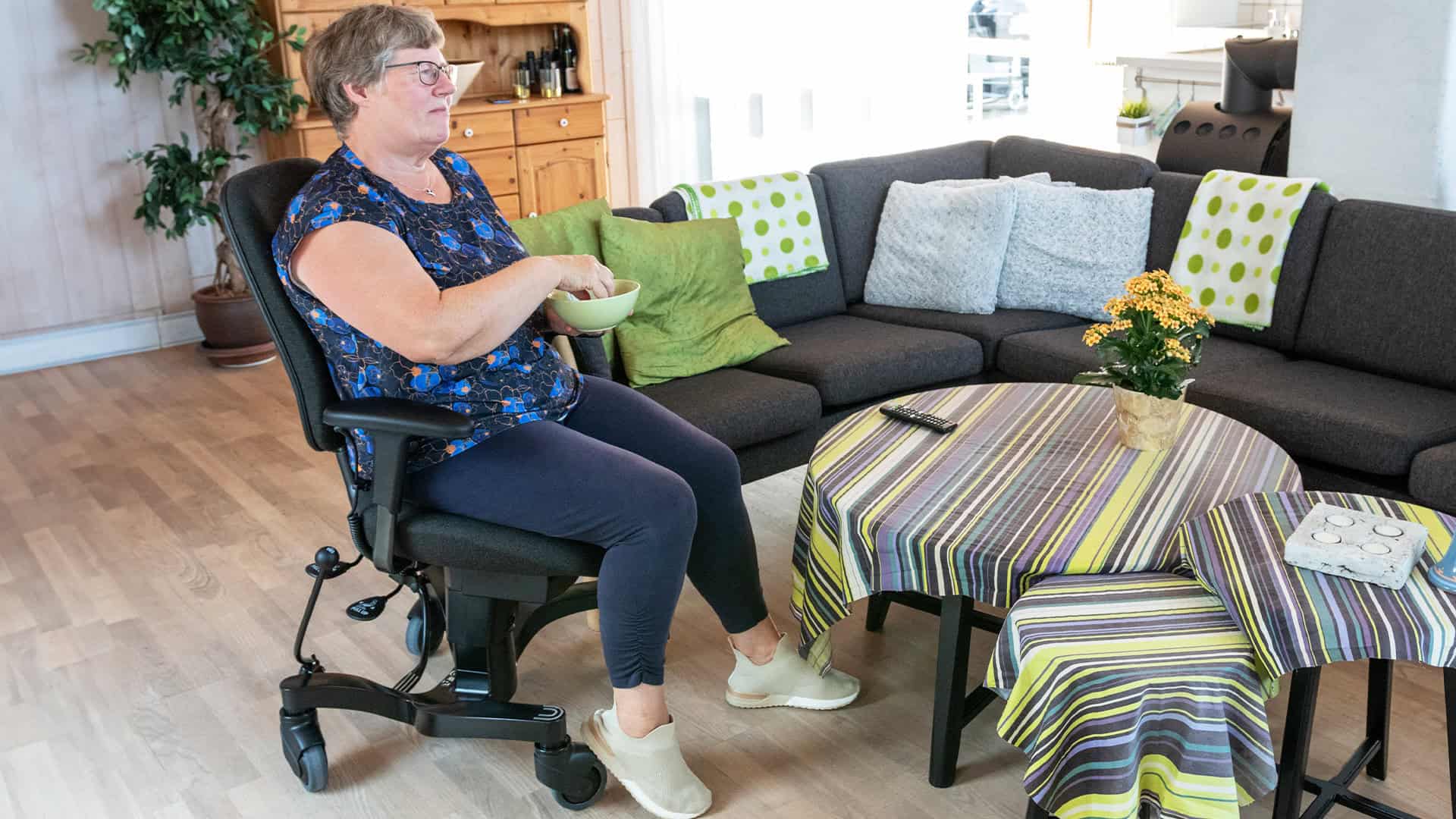
In assisted living settings, enhancing mobility and safety is vital. For seniors, maintaining independence can significantly impact their well-being. Recent innovations in assistive technology are transforming how mobility support is delivered in Erie’s facilities and beyond. Alongside traditional aids and the medically approved VELA chairs—which provide enhanced safety and mobility for everyday tasks—residents and staff now benefit from devices such as AI-enabled smart wheelchairs that use autonomous navigation and real-time obstacle detection, advanced wheelchair attachments like WheelMove (offering up to 25 km range), and all-terrain power chairs like the XSTO X12, capable of stair climbing. Facilities are also beginning to explore adaptive e-bikes, AI-driven exoskeletons (some in clinical trials), and smart glasses that provide navigation for those with vision challenges.[4]
Broader trends emphasize integrating environmental control systems (ECS), eye-tracking technology, and sip-and-puff devices for a more independent lifestyle within senior care environments. Local participation in 2026 assistive technology conferences, such as the Duquesne event, further supports the adoption of evidence-based, cutting-edge mobility and rehabilitation strategies.[12]
Designed for use at home or in care facilities, VELA chairs continue to deliver proven support by improving safety and movement while seated, reducing the risk of falls, and alleviating the burden on caregivers. These benefits support seniors’ ability to manage daily tasks and maintain a higher level of independence even as their needs evolve.
In summary, Erie, PA offers various assisted living options that address the diverse needs of its senior population. From understanding evolving regulatory standards and facility offerings to evaluating costs and incorporating advanced mobility solutions—from VELA chairs to AI-enabled assistive devices—making informed decisions ensures a supportive environment for seniors. According to the Assisted Living Research Institute, the right facility can dramatically enhance a senior’s independence and overall quality of life, providing peace of mind for families.