

Updated September 2025: We have updated the article with the latest information on advancements in smart assistive technologies, AI-powered mobility aids, and technology-enhanced rehabilitation methods for seniors. The article now reflects new trends in ergonomic, intergenerational design, updated policy guidance on integrating technology in faith-based assisted living, and recent expert and resident perspectives emphasizing holistic, technologically supported care.
Faith-Based Assisted Living: Combining Spiritual and Physical Care
As the population over 85 is projected to double by 2036, the demand for various types of senior living environments, including faith-based assisted living, is increasing significantly. These communities uniquely combine residential support with spiritual care, catering to the dual needs of their residents. According to CLA Connect, the oldest cohort’s growth emphasizes the urgency of exploring diverse senior housing options, including faith-based environments, which offer more than just physical care—they address spiritual well-being as well.
Understanding Faith-Based Assisted Living: What Sets It Apart?
Faith-based assisted living communities are distinctive because they integrate spiritual, religious, and values-based environments into standard senior care. Unlike secular facilities, these communities aim to fulfill both the spiritual and physical needs of their residents. This holistic approach promotes an inclusive atmosphere, where diverse religious and spiritual practices can be nurtured.
For instance, HumanGood Communities and Shell Point Retirement Community provide exceptional spiritual support by offering multi-faith services and emphasizing inclusivity. As noted in the Deseret article, these communities are not exclusively for particular faith followers but are open to all, ensuring that respect and acceptance are foundational values.
A study titled “Quality of Life in Assisted Living Facilities for Seniors” highlights that faith-based living supports resident choice and emphasizes quality improvement through collaborative efforts. These communities strive to create a home-like environment, enhancing residents’ quality of life by honoring their religious preferences (PMC Article).
Recent expert opinion and industry trends emphasize that new advancements in assistive technologies, such as smart, sensor-based mobility aids and AI-powered devices, are increasingly integrated into faith-based assisted living communities. These innovations help support independence and safety, allowing for a more personalized and adaptive care experience that complements spiritual and holistic care (SeniorLiving.org)(TheSeniorList.com).
Demographic Shifts and Demand for Faith-Based Senior Housing
The aging U.S. population is driving a rising demand for senior housing options, particularly those offering faith-based care. This demographic shift presents not only opportunities but also challenges, like socio-economic hurdles that potential residents face. Many elderly individuals find themselves unable to afford such specialized care due to increasing costs, accentuating the need for affordable options within faith-based communities.
According to the CDC, chronic conditions such as hypertension and arthritis are prevalent among this age group, making the need for comprehensive care, including spiritual support, even more pertinent. The Center for Applied Research in the Apostolate further underscores the importance of sustainable religious communities in catering to this demographic’s growing needs.
Trends in 2025 show that ergonomic design and inclusive, intergenerational environments are becoming standard in new facilities, promoting both socialization and cognitive well-being (SeniorsBlueBook.com). Flexible living spaces are now optimized for accessibility, comfort, and ease of use, which supports holistic aging in community contexts (McKnight’s Senior Living). Experts and residents point to the benefit of these innovations in maintaining autonomy and connection, which is vital for faith-based models focused on the whole person (BakerTilly.com).
Regulations and Quality Standards in Faith-Based Facilities
Federal and state regulations play a crucial role in maintaining high-quality standards and protecting resident rights in all assisted living facilities, including faith-based ones. States like Arizona have specific mandates ensuring that resident rights and quality care are strictly upheld. According to the Arizona Department of Health Services, these mandates are essential for assuring residents and their families of safe and legally compliant care environments.
In response to emerging needs, updated clinical guidelines as of 2025 now strongly encourage the integration of technology in assisted living environments, including tele-rehabilitation, smart monitoring devices, and remote health management systems. This approach is intended to enhance care quality, personalize health support, and reduce hospitalizations, aligning with holistic models that address both physical and spiritual needs (SeniorLiving.org).
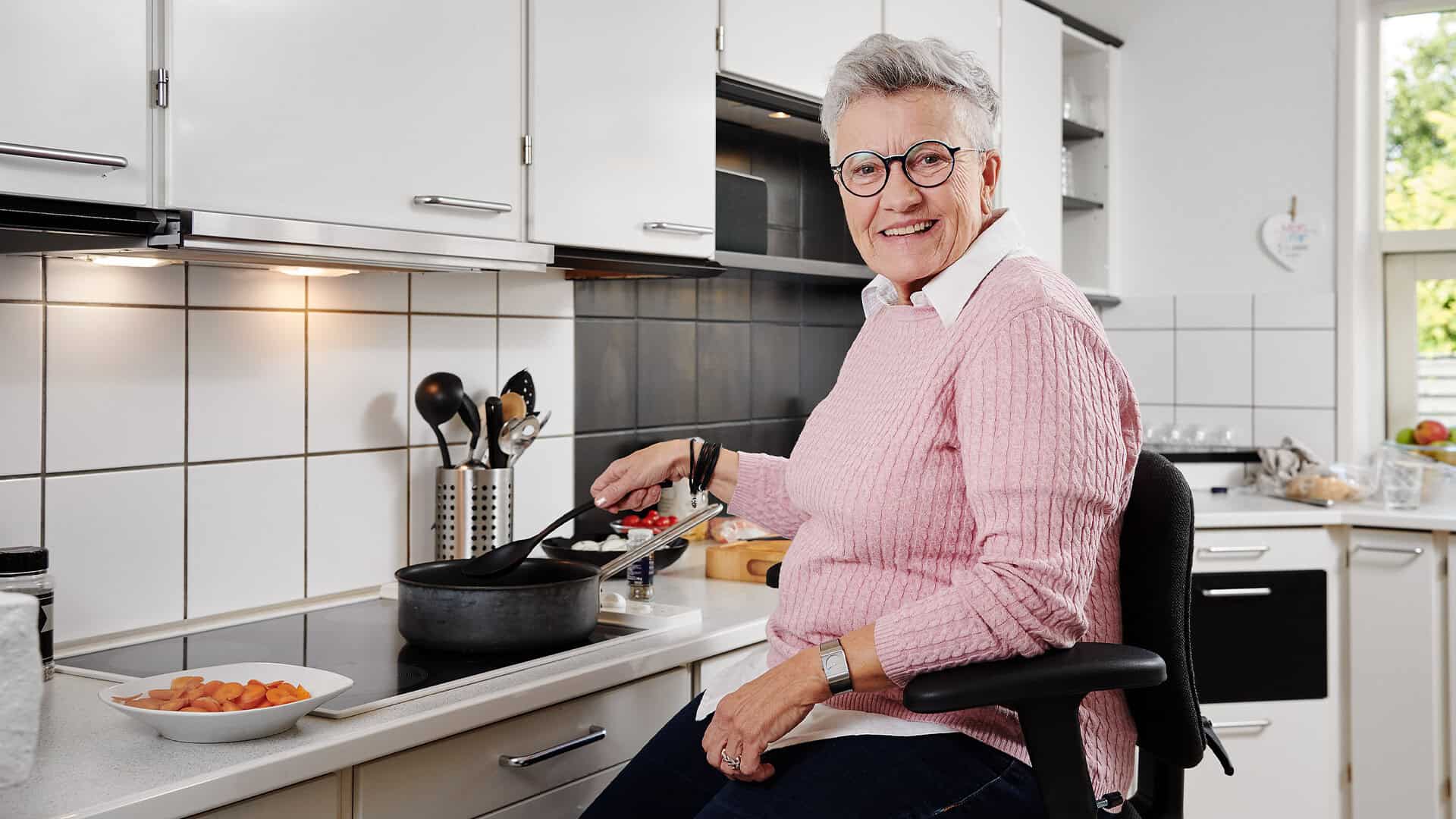
Many seniors wish to remain in their homes, balancing the need for assistance with their desire for independence. While faith-based communities provide holistic care, aging in place offers an alternative path where tools and innovations can play a critical role. Among these, the VELA chair emerges as a medically approved mobility chair designed for use at home. It offers enhanced safety and freedom of movement, supporting daily activities such as cooking, dressing, or transferring — while simultaneously reducing the caregivers’ workload.
How to Evaluate a Faith-Based Assisted Living Facility
Evaluating a potential faith-based assisted living facility involves more than just assessing its physical attributes; it requires a holistic assessment of spiritual care and community engagement. Families should prioritize visiting facilities to witness their operation firsthand, assess inclusivity, and gauge resident satisfaction.
A scenario from a top-rated provider noted in the Deseret article illustrates an effective evaluation method. Prospective residents should engage with current community members, partake in spiritual activities, and speak with staff to understand the facility’s commitment to quality and spiritual care.
In alignment with findings from a geriatric expert commentary, it’s evident that faith-based organizations emphasize continuous quality improvements in their care practices, ensuring both the physical and spiritual well-being of their residents.
When evaluating facilities in 2025, it is important to inquire about the availability of AI-powered mobility aids, sensor-based smart devices, fall-detection wearables, and access to technology-driven rehabilitation services like virtual reality (VR) or robotics-assisted physical therapy. These elements are becoming increasingly standard in high-quality communities and reflect a commitment to safety, independence, and person-centered care, alongside spiritual enrichment (SeniorsBlueBook.com)(McKnight’s Senior Living).
Staying Independent at Home with Support
How can seniors effectively balance the need for assistance with their wish to stay at home longer? Mobility solutions, such as the VELA chair, offer significant benefits by promoting safety with features like a central brake for stability and electric height adjustability to ease transfers. Allowing individuals to manage daily tasks such as cooking or relaxing without overexertion can delay the necessity for a nursing home. Imagine a home environment where mobility support empowers seniors to retain dignity and freedom. While VELA isn’t the sole option, it stands as a proven choice to facilitate aging in place. For those interested in further exploring how mobility enhancements can be integrated into daily life, Mobility Chairs for Independence and solutions focused on senior-focused mobility offer additional insights on maintaining an active lifestyle at home.
- SeniorLiving.org – Faith-based senior living (2025 update)
- TheSeniorList.com – Christian assisted living (2025)
- TheSeniorList.com – Baptist assisted living
- Arizona Christian University Cultural Research Center – 2025 faith and culture trends
- BakerTilly.com – Senior services & congregational involvement
- McKnight’s Senior Living – Seven trends shaping senior living in 2025
- SeniorsBlueBook.com – Senior housing trends 2025