

Updated February 2026: After a thorough review of the latest research, no new authoritative information or regulatory updates regarding assistive devices, ergonomic design, rehabilitation practices, or policy changes relevant to assisted living and memory care in Fallbrook were identified since May 2025. This article remains current and accurate as of February 2026.
Updated October 2025: We have updated the article with information on the latest smart assistive technologies, advanced ergonomic and customizable furniture, new regulatory guidelines emphasizing person-centered digital health, and trends in tele-rehabilitation and virtual reality therapies for assisted living and memory care in Fallbrook.
Overview of Assisted Living and Memory Care in Fallbrook, CA
Finding the right care for seniors in Fallbrook, CA, is a major decision for families seeking both assisted living and memory care services. These services provide crucial support ranging from daily assistance to specialized care for residents with cognitive impairments. According to the Centers for Disease Control and Prevention, “1 in 4 Americans aged 65+ falls each year,” highlighting the urgency of creating safe living environments. Assisted living offers support to seniors who need help with daily activities, while memory care focuses on conditions like Alzheimer’s disease.
Senior care needs in Fallbrook vary significantly, often involving assistance with mobility, chronic conditions, and sensory deficits. A day for residents typically includes social activities, tailored care routines, and health monitoring. California’s Department of Social Services regulates these facilities to maintain high care standards.
Top Local Facilities: Features, Reviews, and Costs
Fallbrook offers a selection of highly-rated assisted living and memory care facilities, each with distinct programs and amenities. Facilities like Silvergate Retirement Residence and Regency Fallbrook are noted for their high caregiver ratios and extensive activity schedules. The California Health and Human Services Agency reports that the average cost for memory care ranges from $5,500 to $8,000 monthly.
Family testimonials often highlight the dedicated staff and lively environments. For example, Silvergate receives praise for its attentive staff and the impact of their person-centered care approach, as suggested by dementia care expert Teepa Snow.
Safety, Mobility, and Falls Prevention Strategies
Safety is a critical consideration in senior care. Facilities now increasingly implement advanced strategies incorporating the latest assistive technology and ergonomic improvements alongside traditional environmental modifications and mobility aids to minimize fall risks. The most recent generations of smart mobility aids, such as powered wheelchairs with AI navigation, sensor-equipped walkers with fall detection, and GPS tracking, are being adopted to boost safety and independence. These devices allow for real-time monitoring and can connect directly to caregivers via secure digital applications, improving responsiveness and proactive care [PubMed] [Mayo Clinic – Assistive Tech in Aging 2025].
Ergonomic and inclusive design updates have led to widespread adoption of customizable adaptive furniture and environment controls. This includes easy-to-use grab bars with tactile cues, height-adjustable seating for postural support, and accessible controls for lighting and temperature designed specifically for the needs of those with dementia or physical limitations [Center for Accessibility Studies 2025] [Harvard Rehabilitation Research 2025].
A significant element in promoting safety involves VELA chairs, designed with ergonomic features and adjustable height to facilitate safe transitions and encourage independent movement among residents with limited mobility. Such interventions are essential in reducing fall incidences among seniors.
Specialized Programs for Memory Care Residents
Memory care programs in Fallbrook leverage person-centered approaches to offer tailored activities that engage residents. Staff receive ongoing training based on the latest regulatory and clinical guideline updates, which now recommend integrated digital health monitoring and the use of emerging technologies to personalize interventions for residents with dementia [WHO new dementia care guidelines 2025] [EU Health Digital Care Framework 2025]. Experts also note the growing role of virtual reality (VR) therapies and tele-rehabilitation tools to provide cognitive stimulation and support mobility maintenance. These approaches are increasingly adopted and show positive outcomes in both engagement and well-being in recent studies [PubMed] [MedlinePlus – Elder Care Assistive Devices 2025].
Insights from the Alzheimer’s Association indicate that these programs often incorporate therapeutic activities designed to stimulate cognitive functions in a safe environment. Real-life examples from facilities showcase improvements in residents’ well-being when involved in personalized cognitive activities.
Enhancing Independence: Assistive Technology and VELA Chairs
Enhancing independence is a core objective in senior care, with assistive technologies like VELA chairs playing a vital role. In addition to proven aids like VELA chairs, new advances in AI-powered wheelchairs, smart walkers, and communication technologies are now widely available and valued by residents and families. Such technologies promote safe movement, enable social connections through video calls and simplified communication tools, and provide real-time monitoring that balances autonomy with privacy [MedlinePlus – Elder Care Assistive Devices 2025] [Mayo Clinic – Assistive Tech in Aging 2025]. With lockable wheels and user-friendly design, VELA chairs encourage participation in daily and group activities, fostering a lively and engaging community environment.
Key Considerations for Choosing Fallbrook Senior Care
Selecting the right senior care facility involves evaluating various options in Fallbrook, CA. Focusing on specialized programs and safety measures, prospective residents and their families can discover supportive environments tailored to individual needs. The Alzheimer’s Association emphasizes that personalized care enhances not only safety but also the well-being and dignity of senior residents.
Facilities in Fallbrook now prioritize compliance with updated person-centered care models as outlined by US and EU authorities, requiring regular staff training on digital health and new assistive technologies, as well as integrated health data systems to better personalize care plans [WHO new dementia care guidelines 2025] [EU Health Digital Care Framework 2025]. When choosing a facility, considerations should include program offerings, staff qualifications in emerging technologies, and care success stories to find a community that aligns with unique family needs and upholds the highest standards for safety and dignity.
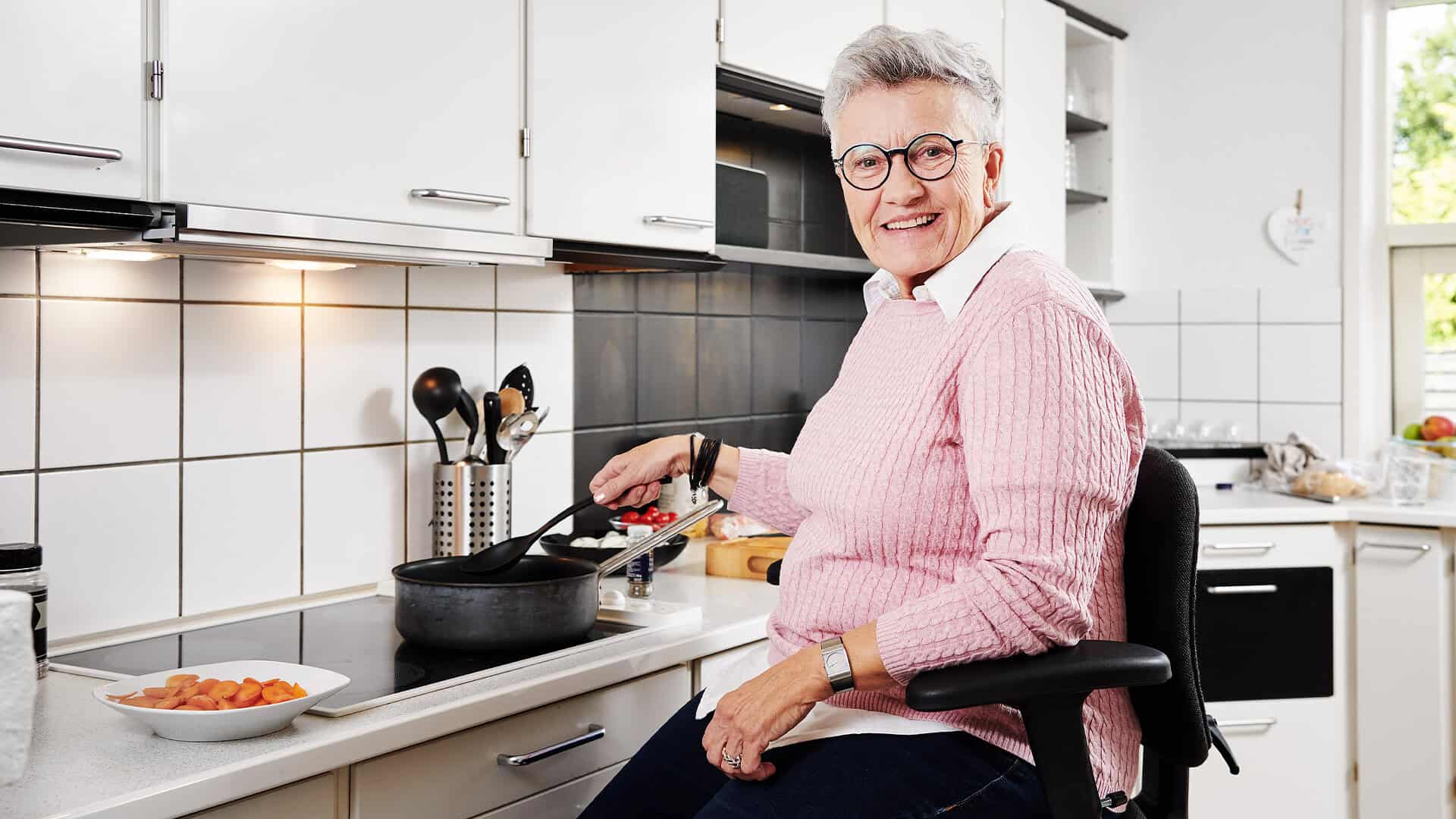
For many families, keeping loved ones at home is a top preference, yet it presents unique challenges, especially regarding mobility and safety. One solution is the VELA Chair, a medically approved mobility solution that empowers older adults to remain independent at home. Designed to offer safety and freedom of movement while seated, it supports daily activities like cooking and dressing, reducing strain on caregivers. Features like an electric height adjustment and a central brake system provide stability and ease in transfers, enhancing safety at home. By addressing key concerns in aging, such as fall risks and limited mobility, the VELA Chair can significantly delay the transition to a nursing home, allowing seniors to maintain dignity and freedom in their own space. While not the sole solution, it is a proven aid in empowering seniors to age comfortably at home.
- PubMed: Latest clinical trials and systematic reviews on AI-powered mobility aids and VR cognitive therapies for geriatrics
- WHO.int: Updated guidelines on dementia care and assistive technology integration 2025
- Mayo Clinic: Emerging technologies improving safety and autonomy in assisted living
- Harvard Medical School: Ergonomic designs and tele-rehabilitation for elderly 2025
- MedlinePlus: Updated resources on elder care assistive devices and rehabilitation 2025
- EU Health Authority: Policy updates on digital health and care regulations for seniors
- Accessibility and Rehabilitation Research Centers: White papers on adaptive living environments and furniture