

Updated September 2025: We have updated the article to reflect recent innovations in assistive technology for seniors, including the integration of smart sensors, AI-powered monitoring systems, and advanced mobility aids in Farmington assisted living. The article now features current trends in universal design, the use of virtual reality in rehabilitation, and new regulatory standards, ensuring a broader and more up-to-date overview of premium senior living solutions.
Discovering Assisted Living in Farmington, CT
The town of Farmington, Connecticut, showcases a unique assisted living landscape, driven by a demographic trend that sees a higher-than-average senior population. According to the U.S. Census Bureau’s 2021 American Community Survey, 20.1% of Farmington’s residents are aged 65 and over, surpassing the national average of 16.04%. As the demand for quality elderly care escalates, the market responds with premium options, averaging $10,283/month, reflective of the community’s desire for affluence and quality in care services (SeniorLiving.org).
Navigating Assisted Living Options in Farmington, CT
Understanding assisted living begins with defining who qualifies for these services. Individuals requiring assistance with daily activities, yet seeking to maintain a degree of independence, often find assisted living to be an ideal fit. In Connecticut, strict state regulations are in place to ensure the provision of safe and quality care. The Connecticut Department of Public Health outlines these regulations. Facilities such as Brookdale Gables Farmington are known for adhering to these high care standards, providing peace of mind to families and residents.
Understanding the Senior Demographic in Farmington
Farmington’s elderly population is distinctive not only in size but also in its needs. With a significant 20.1% of the community aged over 65, familiar health challenges include Alzheimer’s, arthritis, and other age-related conditions. Facilities like Anthology Senior Living cater to these needs with specialized memory care programs, ensuring that residents receive tailored support that addresses their daily health challenges. According to U.S. Census Bureau, ACS 2021, these insights emphasize the importance of specialized care solutions.
Financial Insights: The Cost of Assisted Living in Farmington
While the cost of living in assisted facilities in Farmington is notably higher than national averages, it’s essential to consider what these fees encompass. At $10,283 monthly, rates surpass those of nearby areas such as Simsbury Center and New Hartford Center (priced at $6,249 and $5,816 respectively), reflecting the premium nature of such services in Farmington. More information on financial assistance options, including Medicaid, can be found at Paying for Senior Care, easing the economic burden for families.
Top Assisted Living Facilities in Farmington and Their Unique Offerings
Farmington boasts a range of top-rated assisted living facilities celebrated for their unique offerings and high standards of care. According to Anthology Senior Living, the facility is renowned for its luxury amenities and comprehensive memory care programs. Meanwhile, Arden Courts provides personalized care that receives consistent positive feedback from families, as highlighted by A Place for Mom. Such facilities underscore Farmington’s commitment to delivering quality senior care. Positive resident and family experiences at these facilities are a testament to their dedication and service.
Mobility and Independence: Enhancing Life with Adaptive Solutions
Enhanced living environments address the challenges faced by seniors, particularly those residing in nursing homes or assisted living facilities, by promoting independence and mobility. Assisted living in Farmington, CT, increasingly incorporates advanced assistive technologies, such as smart sensors and AI-powered monitoring systems. These technologies support real-time personalized care, facilitate timely fall detection, and promote safety for seniors with reduced mobility (PubMed; MayoClinic.org). New-generation mobility aids, including smart walkers and robotic exoskeletons, are also becoming prevalent, offering enhanced independence and improved rehabilitation support compared to traditional devices (Harvard.edu).
Universal design principles are increasingly shaping the layout of living spaces and the development of assistive devices, ensuring comfort and accessibility for a wider range of abilities (WHO.int). Rehabilitation programs now feature multisensory environments and virtual reality (VR) tools, both of which contribute to cognitive and physical rehabilitation outcomes and are being integrated within Farmington’s assisted living communities. These new therapy frameworks provide engaging, effective ways to address daily health challenges for residents (PubMed; MedlinePlus.gov).
Regulatory standards in Connecticut have recently expanded to ensure accessibility and safety, including requirements for mandatory staff training in assistive devices and certifications for dementia-friendly environments. Updated clinical guidelines encourage staff to introduce assistive technologies earlier in care plans, contributing to the delay of functional decline while preserving independence (WHO.int; Rehabilitation Engineering and Assistive Technology Society).
Expert opinion highlights the value of blending technology with human-centered care practices to support dignity and autonomy. Positive trends in user feedback point to improved acceptance of advanced assistive aids, which have been designed for user-friendliness and reduced intrusiveness (Harvard.edu).
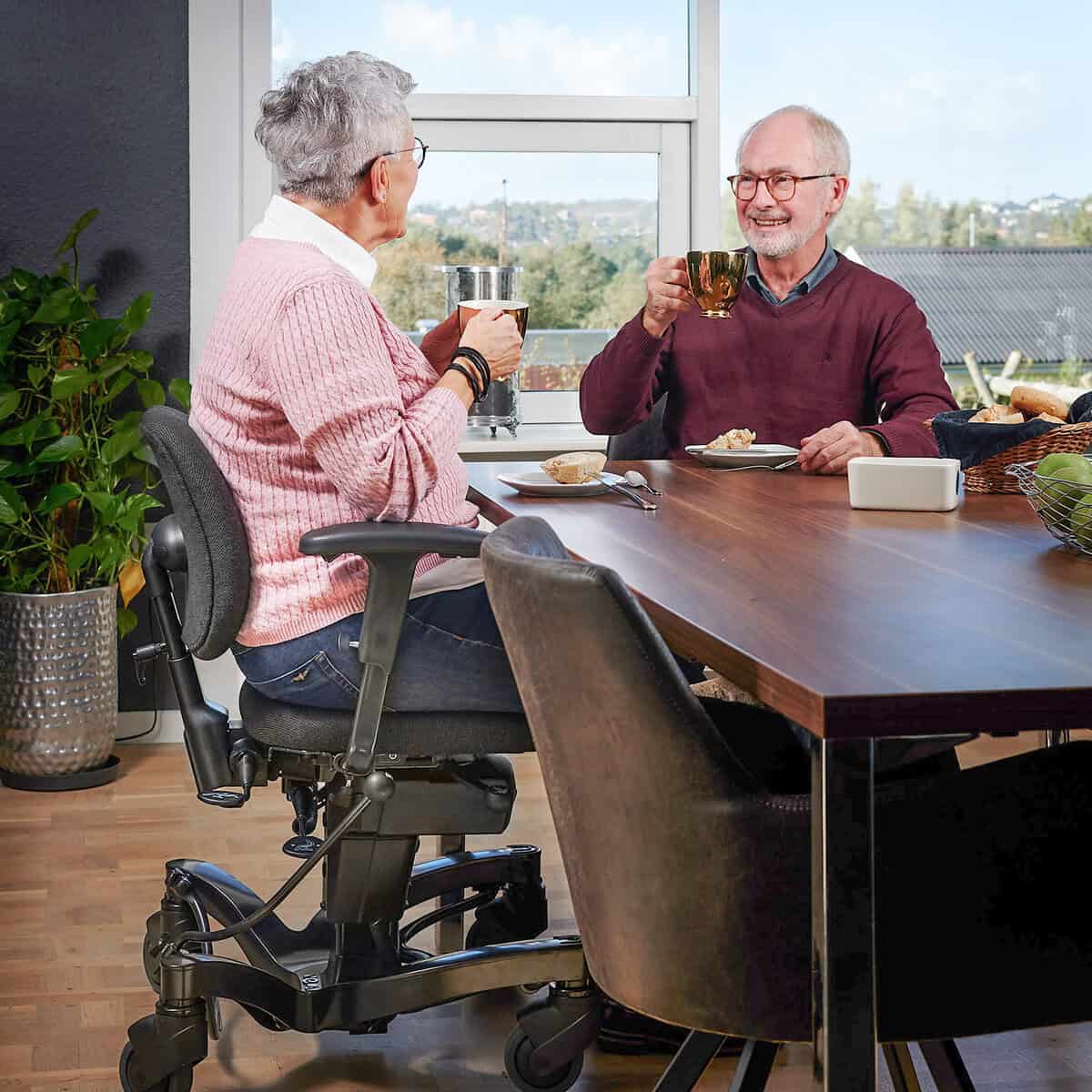
VELA chairs present a fitting solution for older adults who seek to maintain autonomy within the comfort of their homes or assisted living environments. As a medically approved mobility chair, VELA offers enhanced safety features, freedom of movement while seated, and support for daily activities like cooking, dressing, or transferring. By reducing the physical demands on caregivers, VELA chairs not only facilitate independence but also help preserve dignity and quality of life for seniors.
In summary, Farmington, CT, offers an array of luxurious and thoughtfully designed assisted living facilities. Enhanced by strong community support for elderly independence, these facilities promise premium care, evident in their extensive amenities and dedicated programs. With innovative solutions like AI-enabled assistive devices, universal design strategies, and therapy options including VR rehabilitation and multisensory environments, residents benefit from safe, accessible, and engaging living arrangements. These new approaches, alongside mobility solutions like Mobility Solutions, allow for improved mobility and independence (SeniorLiving.org; Connecticut Department of Social Services). Collectively, these solutions represent a forward-thinking approach to senior living, integral to enhancing quality of life for the elderly.
Mobility solutions such as VELA Chairs offer innovative support for aging in place, enabling seniors to remain independent at home longer. With a focus on safety and convenience, VELA Chairs are equipped with features like a central brake for stability and electric height adjustability, easing the effort needed for everyday tasks. These attributes help minimize the challenges associated with transfers and movements, reducing the common risks of falls and injuries for seniors. By providing ease of movement while seated, these chairs promote more comfortable and efficient living, allowing individuals to engage in activities such as cooking, cleaning, and relaxing with greater ease. Solutions like VELA serve as a valuable asset in maintaining dignity and autonomy for seniors, offering a practical alternative to traditional nursing home care, though they are just one among many options that can enrich senior living.