

Updated February 2026: We have updated the article to reflect 2026 industry trends in assisted living furniture, including reinforced and non-slip frames, armrests to support safe transfers, modular and adjustable designs, bariatric and dementia-friendly options, sensory-enhanced environments, biophilic materials, and an emphasis on flexible, homelike, and sustainable furniture solutions. No new scientific or clinical guidelines since May 2025 were identified.
Updated October 2025: We have updated the article with the latest trends in assisted living furniture, including integrated smart technologies, biophilic and wellness-centric design, circadian lighting, sustainable and durable materials, modular systems for flexibility, and enhanced safety features such as non-slip flooring and washable, long-lasting textiles. Additional authoritative sources have been included to reflect these updates.
Key Considerations for Furniture in Assisted Living Apartments
Selecting appropriate furniture for assisted living apartments is crucial to promote safety, comfort, and enhance the quality of life for elderly residents. With about 75% of assisted living residents being between 75 and 85 years old, many face mobility impairments, cognitive decline, and chronic illnesses. Therefore, furniture choices must align with both practical needs and regulatory standards, which can vary by state. For instance, the California Department of Social Services (CDSS) highlights the necessity of specific furniture provisions to ensure resident safety and comfort.
Essential Furniture Requirements for Assisted Living Apartments (State-by-State)
In assisted living apartments, meeting furniture requirements means complying with state-specific regulations. Essential items like beds, chairs, nightstands, lamps, and dressers are typically mandated by state guidelines. CDSS Title 22 specifies these requirements for California, ensuring each room is adequately furnished, which includes provisions like a bed, a chair, a nightstand, a lamp, and a chest of drawers. Similarly, in Texas, Texas Health and Human Services regulations provide additional considerations for room size, requiring that each resident has a minimum amount of personal space.
For instance, in California, residents might be provided with the listed furniture, whereas in Texas, the room’s size might require extra furnishings. Families must understand what is included in the service and what they need to purchase or bring in, aiding a smooth transition for new residents.
Safety and Accessibility Features: What Matters Most for Seniors?
Safety and accessibility in furniture design are paramount to prevent falls and aid mobility. Key features like non-slip surfaces, reinforced frames, armrests for safe transfers, adjustable heights, ergonomic designs, and the use of washable, durable textiles are increasingly important. Current 2026 trends promote furniture with antimicrobial finishes and modular, repairable components for enhanced safety, hygiene, and long-term sustainability.[1]
Additionally, lighting technology has advanced to include dynamic circadian lighting systems that enhance cognitive function, improve sleep quality, and lower fall risks. Facilities are encouraged to incorporate these modern solutions and user feedback trends, while rigorously adhering to safety standards. As confirmed by AgingCare Community, such measures greatly reduce accident risks and improve overall well-being.[2]
Updated recommendations place additional focus on adjustable low-height beds with integrated rails, bariatric options for larger residents, and non-slip flooring. Dementia-friendly surfaces like textured materials, contrasting colors for wayfinding, and sensory, cozy spaces support those with cognitive decline.
Improper furniture choices can elevate safety risks, underscoring the need for facilities to adopt advanced, safe, and comfortable designs that prevent falls and allow easy movement.
Customization vs. Standardization: What Can Residents Bring?
Assisted living facilities have varying approaches to furnishings. Some offer all-inclusive setups, while others encourage personalization. Allowing customization can positively impact residents’ comfort and emotional well-being. As highlighted by Seniors Housing Business, personalized spaces cater to resident autonomy and identity.
Recent evidence-based design also shows a strong shift toward holistic, resident-centered environments. Emphasis is now placed on incorporating natural elements such as plants and living walls, as well as nature-inspired color palettes, to further personalize spaces, enhance mood, and boost cognitive health. These approaches support resident autonomy, reflect individual and cultural preferences, and move away from institutional models toward environments that foster community and dignity.[3]
The 2026 trend toward modular, flexible furniture allows for easier adaptation to individual resident needs—whether customizing for comfort or for mobility and transfer safety. Features such as removable or interchangeable components and homelike aesthetics are now commonly preferred.
Consider a scenario where an elderly resident brings a personal recliner and decor to their new home, promoting independence and personalization. This trend towards personalized spaces aligns with increasing preferences for autonomy among residents, as well as the evidence supporting wellness and engagement through individualized environments.
Adapting to Mobility Needs: Integrating Supportive Seating Solutions
Challenges faced by older adults in nursing homes can often lead to a desire to remain as independent as possible in their homes. Solutions that support this independence become vital, particularly those that offer safety and mobility without burdening caregivers. Current trends emphasize the inclusion of lift chairs, swivel dining chairs, and other ergonomic support seating appropriate for reduced mobility users.[3]
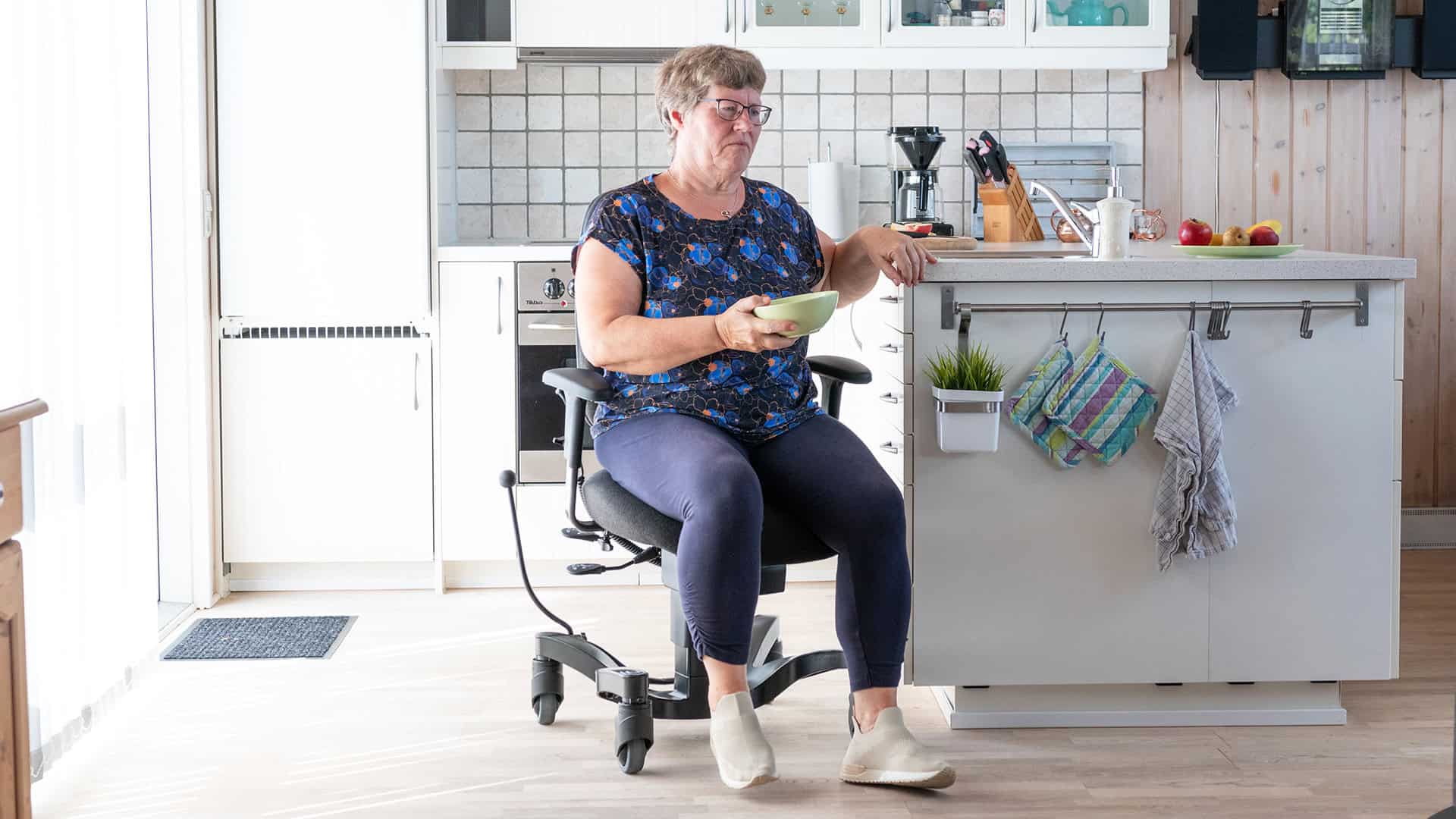
One promising option is the VELA Independence Chair, a medically approved mobility chair designed for in-home use. It provides enhanced safety and freedom of movement while seated, supporting daily activities such as cooking, dressing, or transferring. Additionally, it reduces the caregiving load by allowing seniors to manage more tasks on their own, thereby promoting greater independence.
For example, an elderly resident with mobility impairments might significantly benefit from a VELA chair, maintaining independence and reducing the need for caregiver assistance. More detailed information about their features and benefits is available on the VELA Chairs website.
Future-Proofing Spaces: Embracing Innovation, Durability, and Flexibility
Designing for the future means integrating smart technologies and modular systems while considering long-term maintenance and sustainability. Smart home systems with voice controls and real-time health monitoring are increasingly expected to promote both resident safety and independence.[3]
Current best practices focus on modular, flexible furniture systems that are easy to repair and replace. Preference is given to durable components that support bariatric and specialty applications and biophilic materials—like wood and natural finishes—linked to improved well-being.[4][5]
Furniture selection should now include products made of long-lasting, resilient, and sustainable materials such as Kwalu’s Protea™, which are highly resistant to scratches, dents, and frequent or aggressive cleaning. Such choices can significantly extend product lifespans to 10–20 years, reducing environmental impact and overall costs for facilities.[4]
Renovations are increasingly approached in flexible, phased manners with modular furniture that allows spaces to be easily reconfigured as resident needs evolve, minimizing disruptions and costly overhauls. These improvements are now considered best practices for maintaining up-to-date, relevant, and inclusive living environments.[5]
Key Takeaways for Furniture in Assisted Living Apartments
In conclusion, choosing the right furniture for assisted living apartments is essential for enhancing senior care. Facilities must comply with state regulations while considering the specific needs of their residents. Modern trends call for tech-enabled, modular, ergonomic, and sustainable solutions with a strong focus on wellness and personalization, ensuring both compliance and improved quality of life for residents. Valuable resources on furniture selection are available through The California Department of Social Services and AgingCare Community.
Empowering senior residents with suitable, innovative furniture options not only improves their quality of life but also supports their independence and safety in assisted living environments.
How Mobility Solutions Like VELA Make a Difference
In the effort to remain independent at home, VELA Chairs offer practical solutions that help reduce the necessity for nursing home care. These chairs are designed with features that enhance safety, such as a central brake for stability, and electric height adjustability, allowing users to reach various home areas safely and comfortably. Mobility chairs for independence can transform everyday activities such as cooking or cleaning into manageable tasks, offering dignity and conserving energy. The ease of movement while seated allows users to glide between rooms without the risk of falling, significantly reducing falls and injuries. While VELA is not the sole solution, it stands out as a proven, user-friendly option that enhances daily living, giving seniors the tools to thrive in their homes and delay the move to assisted living or nursing facilities.
Additional Authoritative Sources:
- Goebel Design Group. Top Senior Living Design Trends for 2025
- Accio. 2025 Senior Living Interior Design Trends
- Kwalu. Supporting Every Moment™: Senior Living Trends Shaping 2025
- Rheinlander Architects. 8 Senior Living & Care Design Trends to Watch in 2025
- Direct Supply. 2025 Senior Living Design Trends
- McKnight’s Senior Living. 4 Senior Living Design Trends Shaping 2025