

Updated February 2026: We have updated the article with new trends such as smart sensor integration, AI-powered and voice-activated mobility furniture, modular and multi-functional designs, regulatory changes with improved reimbursement incentives, sustainability challenges, and evidence-based principles that prioritize both physical and cognitive well-being for assisted and home care settings.
Enhancing E-E-A-T in assisted living furniture choices
Enhancing senior living environments through thoughtful furniture choices is essential to improve the quality of life for seniors. The experience of professionals in the field has highlighted that furniture can significantly impact comfort, safety, and accessibility, particularly for residents aged 75 or older. Let’s delve into what makes furniture suitable for assisted living and how it fosters independence and dignity for seniors.
What makes furniture suitable for assisted living?
Designing furniture for assisted living requires a deep understanding of the specific needs of the elderly. Essential characteristics include stability, appropriate height, supportive armrests, and ease of cleaning. For instance, chairs should have a seat height of 17-19 inches with firm, stable seating and armrests to assist those with arthritis or limited mobility. These features minimize strain when sitting or standing and reduce fall risk.
According to Affordable Seating, commercial-grade furniture that is functional and easy to maintain is recommended. A Sarah Hospitality study highlighted a 30% reduction in fall incidents when appropriate furniture was used, illustrating the practical benefits of adhering to these guidelines.
Recent developments emphasize holistic wellness, with new trends incorporating biophilic and nature-inspired design to enhance mental well-being and cognitive function. These approaches feature the use of natural materials, indoor plants, and ample natural light within living environments.[1] There is also a shift towards inclusive, ergonomic design principles supporting physical, social, and emotional health, reflecting evolving needs in senior living.[5]
Significant advances since 2025 include smart sensor integration for real-time monitoring of user well-being, posture, and comfort, along with voice-activated controls that allow users to adjust furniture settings without physical effort.[8] Additive manufacturing (such as 3D printing) is now enabling unprecedented levels of customization in design to suit individual user needs.[8] These updates also reflect growing trends towards modular, multi-functional, and reconfigurable furniture, essential for hybrid use in both home care and assisted living settings.[11]
Essential safety and comfort features for senior living furniture
Safety standards and regulations are critical for furniture in assisted living facilities. As detailed by the Oregon Health Authority, furniture and room designs must comply with local codes and accessibility laws. Features like non-slip surfaces and firm cushioning are vital for safety.
Rounded-edge furniture is recommended to prevent injuries, as noted by Direct Supply. Such thoughtful designs protect residents with impaired balance from potential accidents. Additionally, furniture made with moisture-resistant fabrics aids in maintaining a hygienic environment.
Newer materials and design practices have emerged that prioritize sustainability and long-term durability, such as advanced engineered surfaces designed to resist wear and support rigorous cleaning, prolonging product lifecycles and reducing waste. Adoption trends also include increased use of durable non-slip flooring and washable textiles, directly responding to user feedback that highlights practicality and comfort.[2] Furniture are now more often chosen for their PVC-free and environmentally conscious qualities, supporting safe and clean environments over a lifespan of up to twenty years.[3]
Recent regulatory shifts have increased reimbursement incentives, which have accelerated the adoption of advanced assistive furniture in both assisted living and home care environments. These new standards support the ongoing replacement of static furniture with smart, AI-powered devices designed to adapt to user needs—providing features such as hazard detection, acoustic comfort, and patient autonomy through integrated smart-room technologies.[8][13]
Growing user preferences for aging-in-place are shaping industry direction: end-users increasingly favor durable, aesthetically pleasing furniture that integrates seamlessly into home environments, reducing the institutional appearance while supporting rehabilitation and daily autonomy.[13]
Integrating specialized seating and VELA chairs for independence
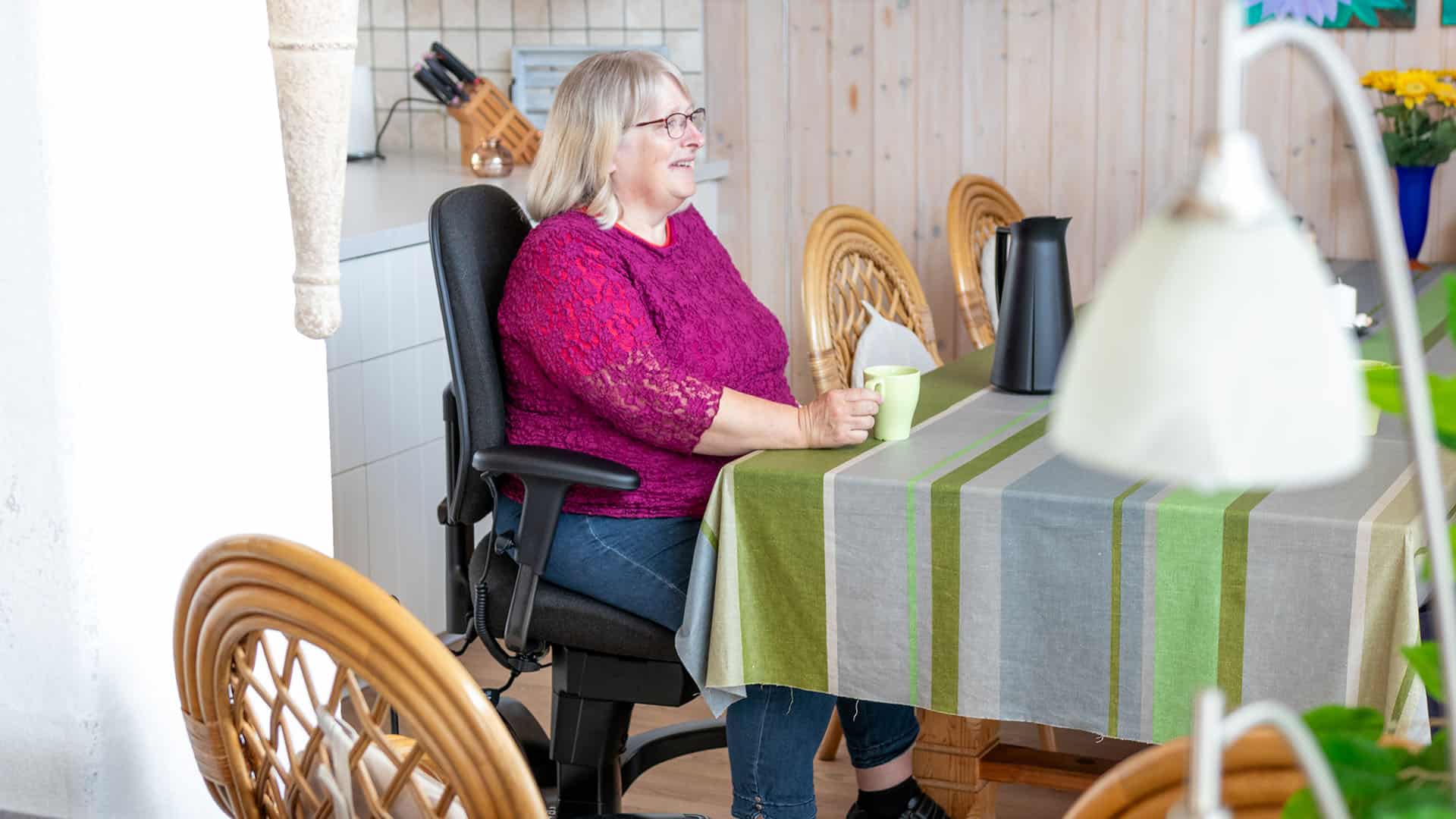
Transitioning from the challenges faced by nursing homes to fostering independence in one’s own home, specialized seating solutions become pivotal. VELA provides a medically approved mobility chair that serves this purpose. Designed for use at home, it enhances safety, supports freedom of movement, and aids in tasks like cooking, dressing, or transferring. By doing so, it not only maintains the dignity of seniors but also lessens the burden on informal caregivers, allowing them to maintain a supportive role without being overwhelmed.
Practical experience in assisted living demonstrates how VELA chairs enable residents to perform tasks independently, thereby supporting their dignity and autonomy. By promoting easier movement and safer posture, these chairs contribute to the overall well-being of seniors.
Current design guidelines for seating in assisted living also reflect a more adaptable approach, encouraging flexible, modular furniture layouts that can evolve alongside changing user needs and support both privacy and community interaction.[6] Specialized seating now often complements a wellness-centric environment that is considerate of both physical and emotional health.
With the emergence of AI-powered mobility aids like all-terrain and stair-climbing power chairs, as well as telehealth-compatible designs, rehabilitation and post-rehab users now benefit from multi-functional, adjustable seating that supports autonomy and cloud-connected monitoring for caregivers and clinicians.[12][8]
Frequently asked questions about moving furniture into assisted living
During the transition to assisted living, families often wonder what furniture can be brought along. Facilities typically provide essential furnishings, but residents are encouraged to personalize their spaces with cherished items, contributing to comfort and a sense of home.
Furniture selection significantly affects safety and daily life. As noted by the CarePatrol blog, mindful furniture choices cater to individual preferences while ensuring compliance with safety standards.
New directions in assisted living environments offer additional benefits for mental and emotional well-being. Incorporating natural lighting, plant life, and adaptable spaces can enhance both mood and cognitive resilience, while intergenerational community programs help combat social isolation and foster engagement for residents of all ages.[7]
The latest evidence also supports the integration of sound-absorbing materials and connectivity for real-time alerts, along with sustainable energy practices in smart tech deployment.[13] These features collectively promote a sense of safety and well-being that aligns with aging-in-place preferences rather than institutional models.
In conclusion, selecting suitable “furniture for assisted living” is crucial for enhancing safety, mobility, and independence. Drawing from authoritative sources like the Oregon Department of Human Services, it is clear that thoughtful design fosters environments that respect senior dignity and autonomy.
By prioritizing strategic furniture design and arrangement, assisted living facilities can significantly impact the residents’ quality of life, ensuring environments that are both safe and conducive to independence.
How mobility solutions like VELA make a difference
VELA Chairs represent a practical solution for those seeking to maintain their independence at home longer, potentially delaying the need for nursing home care. By offering a central brake system for safety, electric height adjustability, and effortless movement while seated, VELA Chairs address critical senior needs. Imagine the difference in daily life — cooking, cleaning, and relaxing become manageable tasks without the fear of falling or the strain of standing for too long. These ergonomic features not only preserve energy but enhance dignity and freedom, embodying the principles of aging in place. While VELA stands out as an effective option, it is part of a broader category of mobility aids focused on supporting independence and reducing caregiver burden. For further insight, exploring Mobility Chairs for Assisted Living and Senior-Friendly Chairs for Home may provide additional perspectives on enhancing home environments for seniors.
References
- Goebel Design Group, Top Senior Living Design Trends for 2025
- Accio Insights, 2025 Senior Living Interior Design Trends
- Kwalu, Supporting Every Moment: Senior Living Trends Shaping 2025
- Direct Supply, 2025 Senior Living Design Trends
- McKnight’s Senior Living, Four Senior Living Design Trends Shaping 2025
- Environments for Aging, 2025 Senior Living Design Predictions
- Assistive Furniture Market Size & Share 2026-2032
- Assistive Furniture Market – Global Forecast 2026-2032
- Healthcare Design Trends to Watch in 2026
- CES 2026: 4 Assistive Technology Exhibitors to Watch
- ASID Releases 2026 Trends Outlook Report