

Updated February 2026: We have updated the article with new findings on AI-enhanced assistive technologies, such as adaptive speech-generating devices, the emergence of autonomous wheelchairs and advanced smart vision aids, the entry of clinical-grade hearing aids like Apple AirPods Pro 2 for consumers, device-based hypertension therapies, and advances in AI-assisted accessibility testing.
Thoughtful Gift Ideas to Elevate the Lives of Assisted Living Residents
Selecting the right gifts for residents in assisted living facilities is a meaningful gesture that extends beyond simple generosity. The right gifts can significantly enhance comfort, safety, and emotional well-being, improving the quality of life for our loved ones. According to Bridges Senior Living, 78% of seniors appreciate personalized gifts that boost their daily comfort, underscoring the importance of thoughtful selections.
Enhancing Comfort and Safety in Assisted Living
Comfort and safety are fundamental in any living space, especially for seniors in assisted living facilities. Items such as soft throws, non-slip slippers, and comfortable clothing are vital. These items not only provide comfort but also play a crucial role in maintaining a resident’s well-being. For example, weighted blankets have been shown to dramatically improve sleep quality and overall contentment, as noted in a case study from Cedar Hill.
Recent advancements in ergonomic design now prioritize inclusive product development, focusing on both comfort and usability for assisted living residents. Data-driven customization and ongoing user feedback are increasingly integrated into product development to improve long-term user satisfaction and everyday safety.
Next MSC McKinsey Digital
Memory and Emotional Connection Gifts
In the realm of memory care, gifts that preserve memories and foster emotional connections can have profound effects. Personal photo albums, digital frames, and memory boxes serve as poignant reminders of family and personal history. A Place for Mom elaborates on how these items are beneficial for residents with dementia, as personalized photo books offer comfort and familiarity through recognizable imagery. For example, one resident found joy in a photo book filled with labeled pictures of their family, which helped maintain emotional bonds despite cognitive challenges.
The latest assistive technologies now offer AI-powered solutions such as smart digital frames and interactive assistants that can automatically organize, label, and display personal photographs. These enable greater independence and engagement for residents with memory impairments.
Envision Asian College of Teachers
Practical Aids for Daily Living Independence
Gifts that support daily living independence are invaluable. Items like magnifying glasses, large-print books, and toiletry gift baskets not only ease daily tasks but also foster self-sufficiency. According to StoryPoint Resources, a resident used a lighted magnifying glass to continue her love for reading despite declining eyesight. These practical aids are small yet powerful tools that make daily activities more accessible and enjoyable.
New developments in personalized and customizable assistive devices—such as sensor-enabled wearables, smart navigation aids, and AI-integrated mobility supports—are now available. These tools adapt to individual user needs and offer real-time autonomy, making daily living more feasible for people with varying abilities. Features such as AI-powered voice or gesture control, haptic feedback, and proactive assistance systems further boost confidence and independence. AI-assisted accessibility testing is now becoming a standard in product and digital interface design, ensuring usability for people with disabilities.
Next MSC CES 2026 Info-Tech Research Group
The assistive technology landscape for hearing and vision has also advanced rapidly. Clinical-grade hearing aid options are now more accessible, with products like Apple AirPods Pro 2 approved as FDA compliant hearing aids for mild-to-moderate loss, providing a discreet and affordable alternative to traditional devices. For vision support, new devices such as eSight Go smart glasses and television-based visual enhancement modes like Samsung’s Relumino Mode enable better visual clarity for those with impaired sight. In addition, mobility solutions now include autonomous wheelchairs and advanced sip-and-puff systems, offering greater independence for users with limited motor function.
Apple Clinical Hearing Aid Announcement, 2024 Medtronic Healthcare Tech Trends 2026 WIPO Report on Assistive Technology Advancements FDA Approval Documentation CES 2026 Accessibility Sessions
Device-based therapies for common health conditions, such as renal denervation for hypertension, are now available and approved by regulatory bodies. These interventions offer around-the-clock therapeutic benefit for conditions like high blood pressure, which is especially prevalent among older adults, while also reducing the daily medication burden.
Medtronic Healthcare Tech Trends 2026 FDA Approval Documentation
Engaging Entertainment and Technology Options
Entertainment and technology gifts present opportunities for engagement and mental stimulation. Puzzles, hobby supplies, or audiobook subscriptions are excellent choices for seniors eager to stay mentally active. For those comfortable with technology, e-readers and smart speakers offer new avenues for enjoying literature and music. Avamere Communities shares a story of a senior using a smart speaker to access music and news effortlessly, enriching her daily experience and keeping her connected to the world.
Current trends highlight the integration of AI-powered assistants and multimodal smart devices designed for easy use by people with mobility or cognitive challenges. Devices featuring intuitive voice control, speech recognition, and adaptive interfaces support residents in pursuing hobbies, accessing educational content, or maintaining social connections. Smart sensing networks and multi-agent AI orchestration further enable a holistic environment of support, coordinating multiple devices for seamless daily assistance. Communication tools such as AI-enhanced speech-generating devices are now equipped with predictive language models, allowing for faster and more responsive interactions that adapt to individual communication styles in real time.
JP Morgan Info-Tech Research Group McKinsey Digital
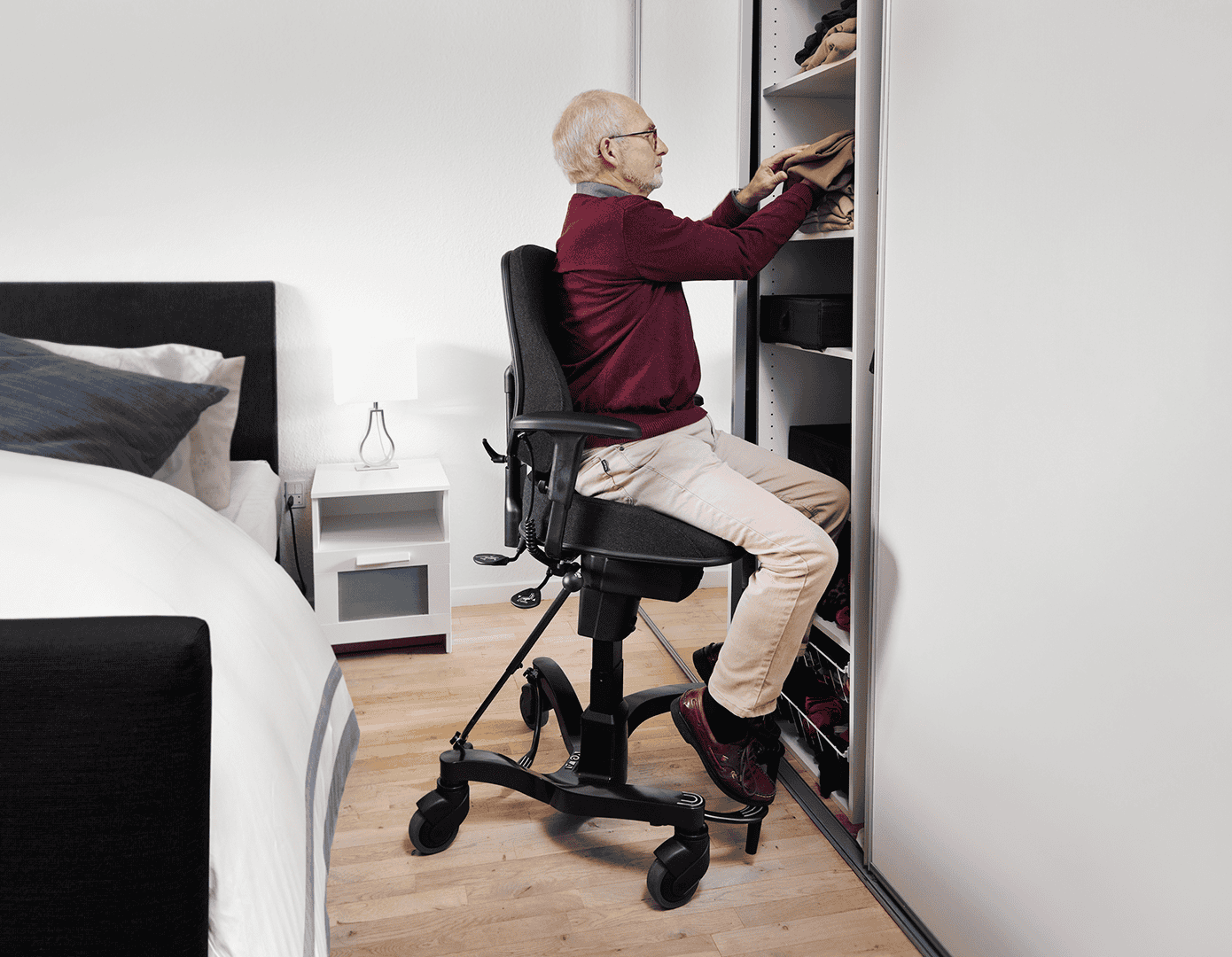
Transitioning from assisted living facilities to a more independent setting poses challenges such as ensuring safety, enhancing mobility, and supporting daily activities. For older adults who wish to maintain their independence at home, medically approved solutions like the VELA Independence Chair can be transformative. This versatile mobility aid is designed for home use, offering features that enhance safety, grant freedom of movement while seated, and support routine activities such as cooking, dressing, or transferring. Additionally, it eases the load on informal caregivers, making it a practical option for aging in place.
Supporting Aging in Place: A Practical Option
Staying independent at home longer is a feasible goal with innovative mobility solutions like the VELA Independence Chair. These chairs offer crucial benefits that help seniors maintain autonomy, such as a central brake for enhanced safety and electric height adjustability that aids in easy transferring. By alleviating physical strain and minimizing reliance on caregivers, VELA Chairs address key issues of safety and energy conservation. The scenario of daily life with a VELA Chair paints a picture of dignity and freedom where engaging in activities like cooking or relaxing becomes safer and more joyful. Solutions such as the VELA Chairs’ fall prevention features can significantly delay the need for a nursing home, underscoring the value of this practical tool for a dignified, independent lifestyle. While VELA is not the only mobility solution available, its proven effectiveness makes it a compelling choice for those committed to aging in place gracefully.
Modern assistive technologies designed for aging in place are increasingly enhanced with AI and smart sensors. These provide real-time monitoring, adjust to user preferences, and deliver proactive support in daily routines—further promoting autonomy and safety for residents and their caregivers.
Envision CES 2026