

Updated September 2025: We have updated the article with information on new regulatory safety assessment requirements for assisted living facilities, the latest trends in smart assistive devices and rehabilitation technologies, and recent policy changes affecting resident protections and contracts.
Choosing the Right Assisted Living: Exploring Gilman Park’s Offerings
When searching for a reliable and enriching assisted living community in Oregon City, “Gilman Park Assisted Living” emerges as a top contender. Known for its excellence in senior care, Gilman Park provides a nurturing environment focused on fostering independence while addressing the medium care needs of its residents. For seniors considering a transition into assisted living, Gilman Park presents an array of services designed to support a fulfilling and independent lifestyle.
Overview of Gilman Park Assisted Living: Location, Care, and Amenities
Nestled in the heart of Oregon City, Gilman Park Assisted Living is renowned for its welcoming environment and comprehensive care offerings. This facility caters primarily to medium care needs but is adept at accommodating both light and heavy care requirements. According to Oregon Administrative Rules, facilities like Gilman Park are mandated to provide care in a homelike setting to uphold residents’ independence and dignity.
Residents at Gilman Park benefit from a variety of amenities designed to enhance quality of life. These include an inviting ice cream parlor, a rejuvenating spa/therapy pool, and a pet-friendly policy, allowing residents to enjoy the company of their furry companions. In a firsthand account, Mary, an 85-year-old resident with arthritis, shared her positive experience, highlighting how participating in social activities, such as yoga classes and community outings, significantly improved her sense of community and well-being.
Demographics and Typical Needs of Oregon City Seniors
The unique demographic profile of Oregon City seniors influences their decision to choose Gilman Park Assisted Living. Common health conditions include chronic obstructive pulmonary disease (COPD), heart failure, and cognitive challenges. According to the CDC, these are prevalent issues among seniors transitioning to assisted living to manage day-to-day activities safely.
Socio-economic factors also play a crucial role, with monthly costs at Gilman Park ranging from $3,100 to $5,914, catering to moderate to higher-income retirees. Many residents benefit from private pay options, pensions, VA benefits, or Medicaid waivers. Bob, a resident managing COPD, found tremendous support from Gilman Park’s skilled staff who assisted in medication management and offered customized exercise programs to enhance respiratory health.
How Gilman Park Compares: Cost, Services, and Resident Experience
In evaluating assisted living facilities, Gilman Park stands out in several key areas, particularly when compared to other providers like The Lodge at Vista View. Offering competitive pricing, Gilman Park also distinguishes itself through exceptional services and resident experiences. According to the National Institute on Aging, understanding a facility’s offerings, such as Gilman Park’s robust activity programs, is essential for informed decision-making.
Residents frequently highlight positive experiences, noting the friendliness of staff and the high quality of care provided. A long-term resident, Susan, expressed satisfaction with the facility’s transportation services, detailing how the availability of a bus with a wheelchair lift enabled her to comfortably attend medical appointments and social gatherings.
Enhancing Independence and Safety at Gilman Park
Promoting independence and safety is at the forefront of Gilman Park’s mission. The facility empowers residents through tailored care plans and a variety of activities designed to accommodate individual preferences and needs.
In light of recent regulatory changes, assisted living facilities are now required to conduct and document comprehensive safety risk assessments throughout their properties, focusing on mitigating hazards and protecting residents. These requirements are designed to improve safety outcomes and must be documented as part of facility protocols. In addition, current policies protect residents by prohibiting contract termination when transitioning from private to public payment sources, and by ensuring contract terms are honored during changes in facility ownership. Grant programs are also available to support facility efforts in enhancing resident care quality through investments in safety and programming (Minnesota Department of Health, 2025).
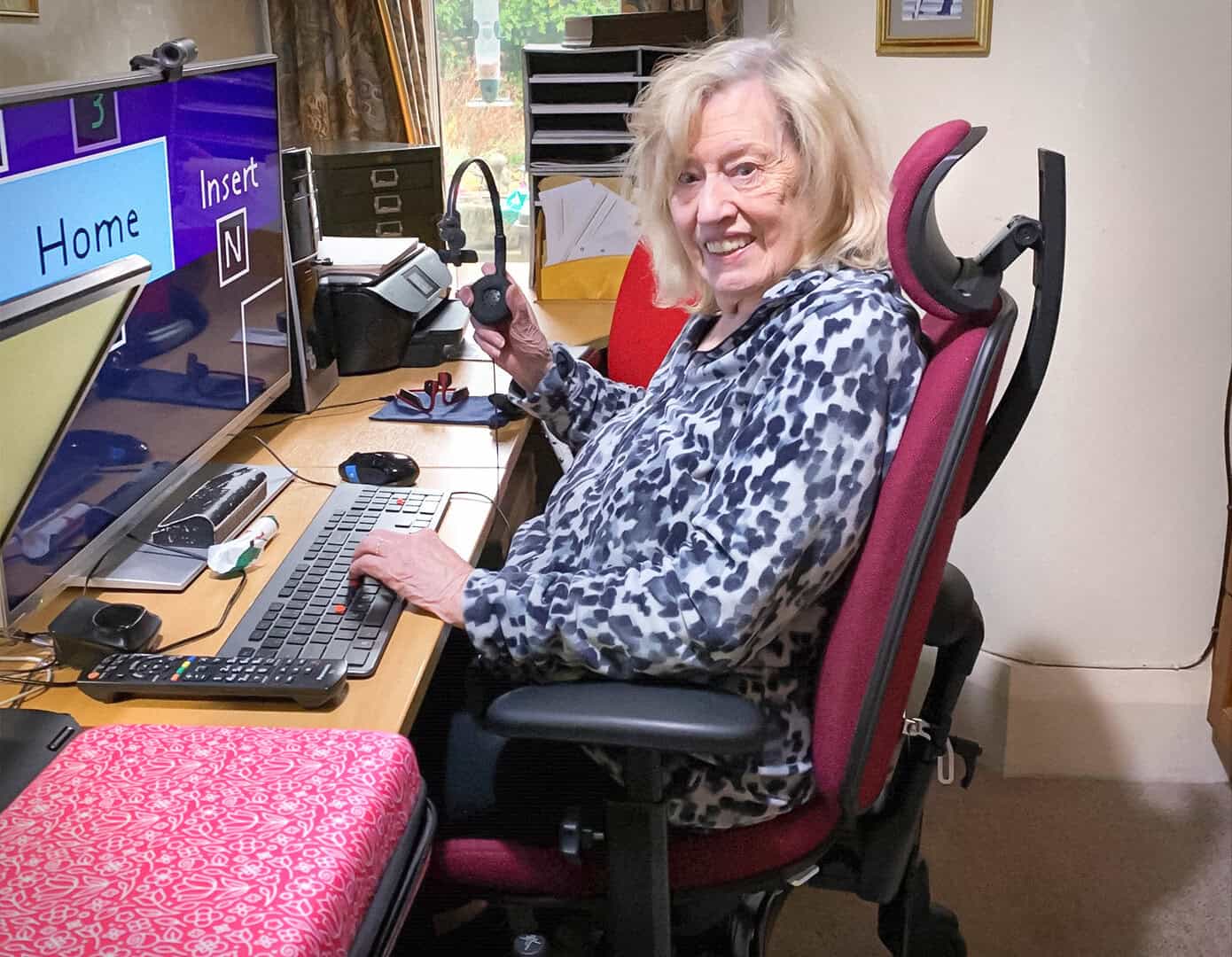
For many older adults, staying independent as they age is both a personal goal and a challenge, particularly when considering traditional nursing homes that may not always meet their desire for autonomy. There are solutions that allow for independence to be supported in their own homes, thereby delaying or even avoiding the need for institutional care. One such solution is the VELA Independence Chair. This medically approved mobility aid provides enhanced safety features and supports a variety of daily activities, from cooking and dressing to transferring with ease.
Designed to reduce the strain on informal caregivers, VELA chairs offer a user-friendly experience with adjustable seating that adapts to different tasks, ensuring comfort and safety. By enabling freedom of movement while seated, VELA chairs effectively enhance the ability of seniors to perform daily activities independently.
Smart Assistive Technologies and Rehabilitation at Gilman Park
Leading trends in assisted living now emphasize the adoption of inclusive, ergonomic designs in assistive devices, providing residents with customizable mobility aids and smart technologies that actively promote independence and safety. Device innovations include smart wheelchairs with adaptive controls, sensor-enhanced monitoring for fall prevention, and AI-driven rehabilitation tools. Increasingly, rehabilitation programs are incorporating tele-rehabilitation and virtual reality-based therapies to deliver engaging, personalized exercise sessions both remotely and on-site, effectively supporting the mobility and wellness of residents.
User-friendly technologies have contributed to higher acceptance rates among older adults, and many facilities are integrating comprehensive programs that blend these innovations with social engagement, enhancing quality of life and resident participation in activities.