

Updated September 2025: We have updated the article to include new advancements in assistive technologies and rehabilitation practices for seniors, such as AI-powered smart glasses, brain-computer interface prosthetics, autonomous smart wheelchairs with ergonomic seating, wearable exoskeletons, and robotic self-feeding devices. We also highlight recent WHO guidance on universal access, enhanced workforce training, and the growing importance of user-centered design and funding initiatives in senior care.
Discover Glen Terra Senior Assisted Living: A Community of Care and Comfort
When considering senior living options in Glendale, California, Glen Terra Senior Assisted Living stands out as a noteworthy choice. Since its establishment in 2000, this esteemed facility has been synonymous with quality care and vibrant community life. Glen Terra offers competitive pricing with starting costs at just $3,100, which is significantly below the area average of $4,500, according to A Place for Mom. Coupled with high satisfaction ratings, such as a 4.6 out of 5 on Caring.com, it proves to be an attractive option for families seeking both quality and affordability. The pet-friendly environment and diverse care levels cater to various senior needs, making it an inclusive community for all.
Comprehensive Care and Living Accommodations at Glen Terra
Glen Terra is committed to providing a comprehensive range of care services that accommodate the unique needs of each resident. From personal care to 24-hour staff availability, residents are assured of receiving individualized attention. Living accommodations include both studio and one-bedroom apartments, complete with accessibility features designed to enhance safety and comfort. According to Seniorly, the facility offers scenarios where residents receiving medication management or mobility support thrive in such a supportive environment. This insight is mirrored by FamilyAssets, which highlights the attentive and professional care provided.
Enhancing quality of life through experience is evident, as residents often recount their positive daily interactions with caregivers who are experienced in handling various elderly care challenges, such as aiding those with limited mobility using transfer aids or providing companionship to alleviate feelings of isolation.
Enhancing Quality of Life Through Amenities and Activities
At Glen Terra, quality of life is significantly enhanced through a host of amenities and activities designed for enjoyment and engagement. The facility’s amenities include a library, garden, and salon, all of which nurture a sense of community and well-being. Residents benefit from an active calendar filled with movie nights, music programs, and organized trips, fostering a lively social environment. These elements encourage socialization and physical wellness, as seen in various resident testimonials. Glen Terra’s website provides a thorough overview of how such amenities are integral to resident satisfaction, supported by additional insights from AssistedLiving.org.
Residents often share stories of how participating in daily exercise classes tailored for seniors has improved their mobility, demonstrating the facility’s focus on health and wellness as an experience marker.
Location and Cost-Effective Living at Glen Terra
Strategically located near essential services, Glen Terra offers both convenience and value. Its proximity to the Glendale Adventist Medical Center and local pharmacies ensures that residents’ medical needs are within easy reach. Financially, Glen Terra offers significant savings compared to the local average costs. Stories from CCLD DSS highlight residents choosing Glen Terra for its affordability coupled with quality care. This blend of economic and practical advantages aligns with recommendations from Glen Terra’s official site, marking it an admirable choice for budget-conscious families.
Supporting Independence with Innovative Mobility Solutions
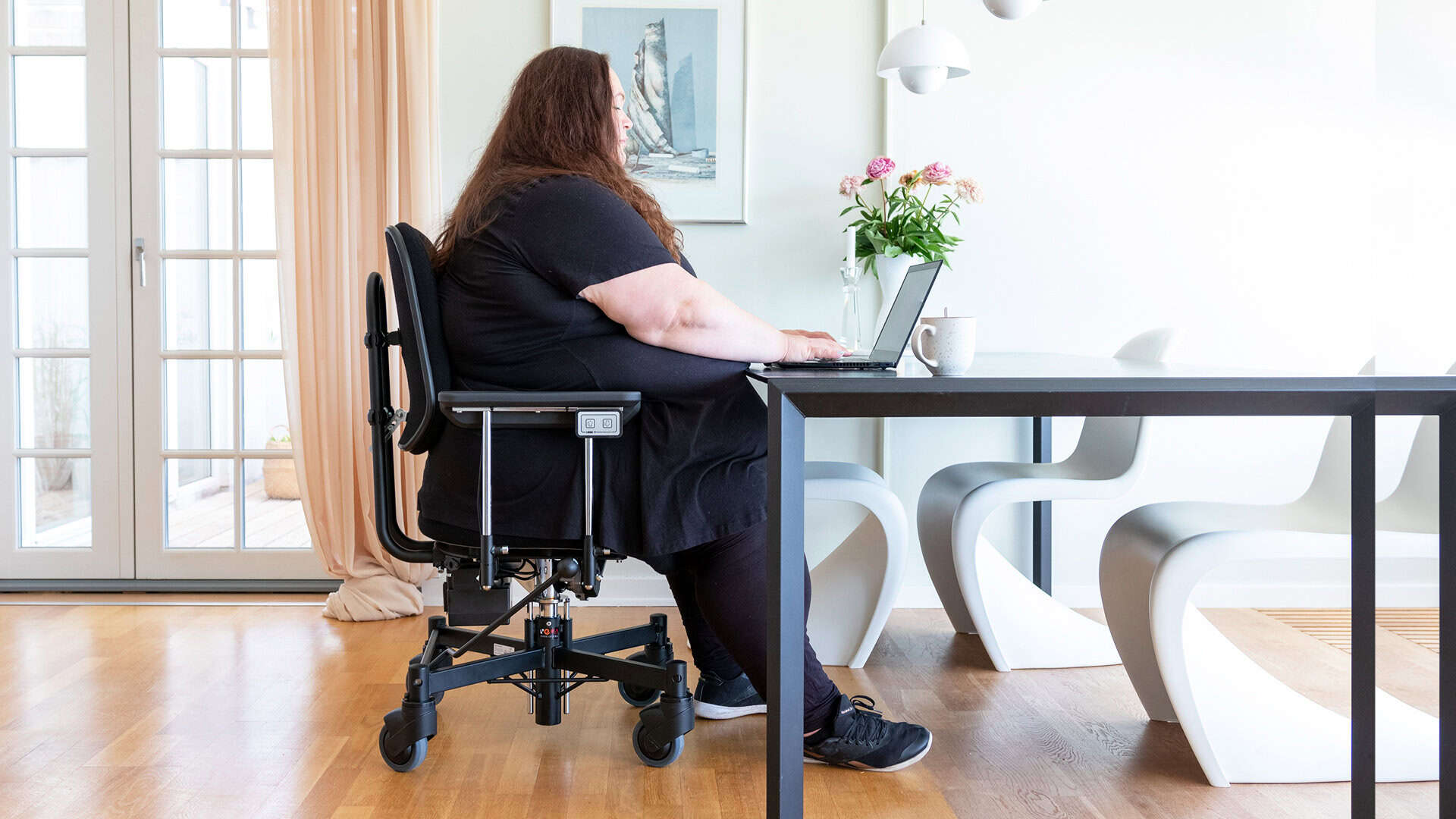
As the challenges within nursing homes often involve limited mobility and dependency, many seniors and their families explore alternatives that allow older adults to remain independent in their own homes. Here, innovations like the VELA mobility chairs provide practical solutions. The importance of maintaining a sense of independence and safety in daily life can’t be overstated, and tools like VELA—medically approved mobility chairs—are designed for home use to enhance safety and autonomy. These chairs offer freedom of movement while seated, aiding in activities such as cooking, dressing, or transferring. They also help reduce the burden on informal caregivers.
While VELA Chairs are a compelling option, they are just one of many ways to support safe and independent living, reshaping what it means to enjoy home life for seniors.
Emerging technologies enhancing autonomy and care in senior living (2025 update)
The landscape of assistive technologies and senior rehabilitation has advanced considerably. New solutions such as AI-powered smart glasses can now offer real-time environmental descriptions and facial recognition, providing valuable support for visually impaired residents. Seniors with mobility challenges benefit from brain-computer interface-controlled prosthetics, which offer intuitive and tailored support for enhanced movement and participation in daily activities ThinkBeyondTheChair.org, NCBI. Additionally, modern smart wheelchairs now integrate autonomous navigation and sensors that automatically adjust seating ergonomics in real time, reducing pressure points and enhancing long-term comfort EqualAccessibility.co, AbilityMT.org.
For seniors engaged in rehabilitation or physical therapy, wearable exoskeletons now offer improved user-technology integration. These devices can share movement control between the user and the device itself, promoting safer and more effective rehabilitation outcomes ATIA. The use of voice recognition and adaptive input devices has become an essential support for seniors with limited dexterity, helping them manage daily living tasks more independently. Clinical evidence also demonstrates the benefit of robotic self-feeding devices for individuals with upper limb limitations, restoring dignity and function during meals WHO.
Policy developments continue to influence the adoption and quality of these solutions. The World Health Organization encourages universal access to safe and affordable assistive products and calls for enhanced workforce training to support successful implementation in senior care settings. Furthermore, there is a growing emphasis on user-centered design, increased funding programs, and greater involvement of seniors in choosing their own assistive tools, ensuring that technology adoption truly meets their needs ThinkBeyondTheChair.org, WHO.
Conclusion
Glen Terra Senior Assisted Living remains dedicated to providing a supportive environment with high-quality care, modern mobility solutions, and a commitment to ongoing innovation. With the integration of emerging assistive technologies and a focus on autonomy, seniors have increasing opportunities to enjoy dignity, comfort, and independence as they age. This aligns with current global shifts in senior care, prioritizing accessibility, user choice, and quality of life through smart, practical solutions.