

Updated October 2025: We have updated the article to reflect new findings on grant funding cycles through 2026, advances in assistive and smart technology integration, evolving best practices in rehabilitation and facility design, and expanded federal and private funding opportunities for assisted living facilities, including resources supporting rural and equitable access.
Securing Grants to Open an Assisted Living Facility: A Comprehensive Guide
Opening an assisted living facility is a significant financial undertaking, often burdened by high initial costs that can deter potential owners. Fortunately, grants provide a lifeline, helping to offset these expenses and making this noble endeavor more feasible. This is crucial as, by 2030, the entire baby boomer generation will be over the age of 65, causing a substantial increase in the demand for assisted living facilities. For communities looking to establish such facilities, federal programs like the Community Facilities Direct Loan & Grant Program offer essential support, particularly in rural areas.
Understanding Grant Opportunities in Elderly Care
Exploring the array of available grant opportunities is vital for anyone looking to open an assisted living facility. These include federal, state, local, and private foundation grants. Among the most noted is the Community Facilities Direct Loan & Grant Program, which serves as a key federal resource for rural communities. This program emphasizes aiding areas with a median household income below specified thresholds, ensuring that even the smallest communities have access to quality elder care. Current funding cycles are open for FY 2026, and deadlines such as the Aging and Long-Term Services Department’s Senior Center Capital Outlay Funding (due April 8, 2025) are highly relevant for facility planning.
Source: ALTSD
In a compelling case, a rural community in Arizona successfully funded their assisted living facility through this program by addressing the unique challenges seniors face in rural areas—primarily access to quality care. According to Instrumentl, the program gave them the financial leverage they needed to serve their aging population effectively.
Eligibility Criteria and Strategic Planning
Eligibility for grants varies, but some common threads exist. Most grant programs favor non-profit entities, making non-profit status a considerable advantage during the application process. However, for-profit entities aren’t left without options. They can also access certain federal programs and should consider partnering or re-structuring to qualify for a broader range of grants. A notable case involved a facility in Illinois, which adjusted its business model to gain eligibility for grant funding by aligning its services more closely with community health priorities, as detailed by Saratoga Grove.
A successful grant application relies on meticulous business planning and comprehensive financial documentation. Demonstrating a well-researched community need and providing a detailed financial plan are key elements of effective applications that have historically received funding. According to HQM, crafting such a plan plays a critical role in securing grants. It is also increasingly important to address best practices such as integrating technology within facilities, supporting holistic care, and ensuring sustainability, as present funding landscapes for programs like the Older Americans Act face uncertainty for FY 2025-2026.
Source: Kaiser Family Foundation (KFF)
Integrating Mobility Solutions in Facility Design
Balancing the challenges of ensuring safety and independence for older adults, nursing homes face significant hurdles. Evidence shows that leveraging new advances in assistive technology greatly enhances these goals. Recent developments include AI-driven and IoT-integrated mobility aids such as powered wheelchairs with navigation support, sensor-based fall detection, and adaptive environmental controls. These innovations are designed with direct user input and support interoperability for diverse populations in assisted living settings. In rehabilitation, the adoption of virtual reality (VR) and augmented reality (AR) tools is leading to customizable, remote physical therapy programs that improve mobility and engagement.
Source: Administration for Community Living (ACL)
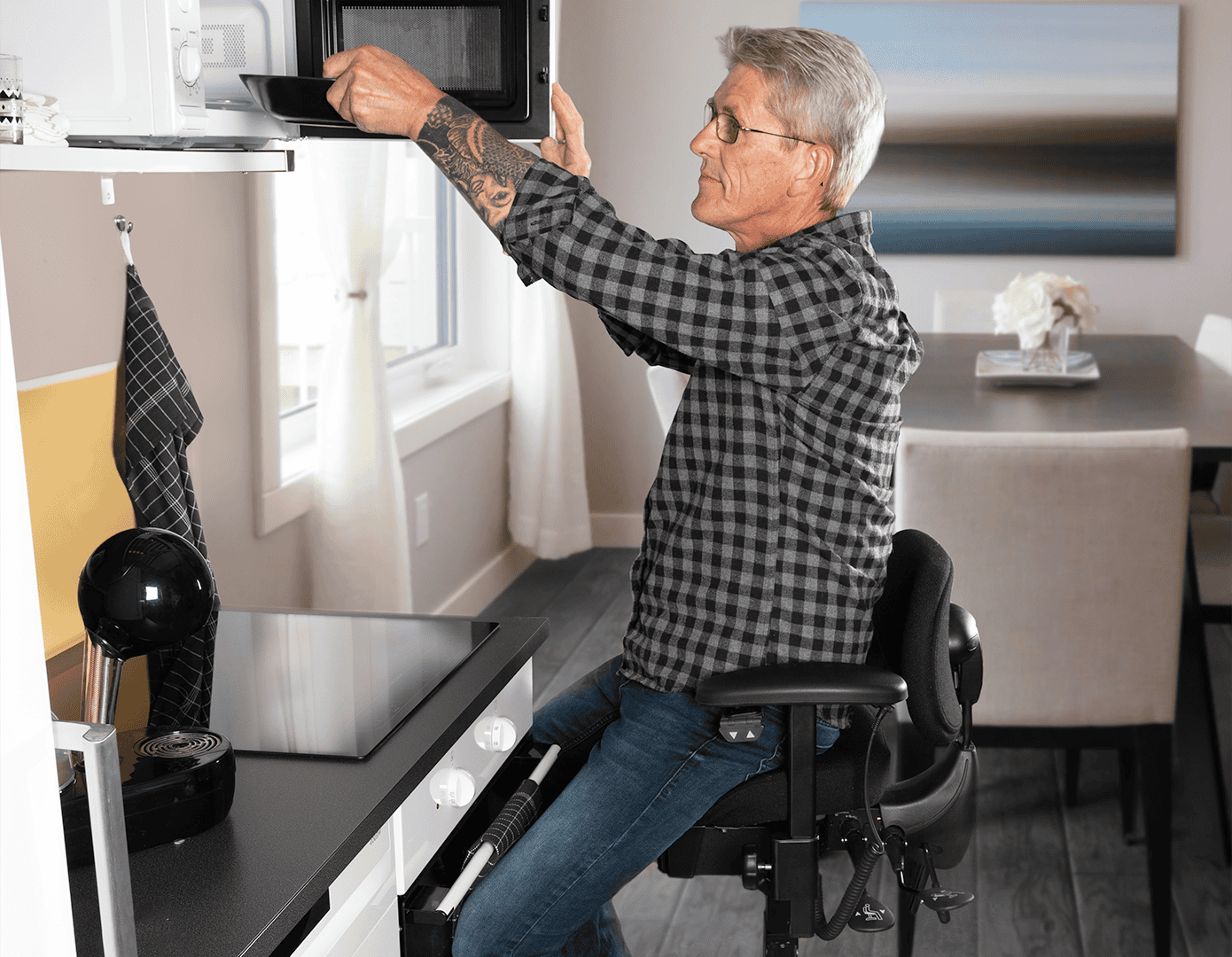
Introducing resources like the VELA Independence Chair, a medically approved mobility chair designed for home use, offers enhanced safety and freedom of movement. It supports daily activities such as cooking, dressing, and transferring, while reducing the load on informal caregivers. Facilities seeking grant funding may strengthen their proposals by highlighting integration of such advanced, user-centered technologies and rehabilitation practices.
Maximizing Funding through Diverse Sources
While grants are tremendously helpful, relying solely on them might not cover the entire scope of investment needed for an assisted living facility. Diversifying funding sources, including SBA loans, private investors, Community Development Financial Institutions (CDFIs), and rural-focused funding such as USDA Community Facilities Grants, is crucial for a robust financial strategy. These programs, which scale their support based on community size and median income, specifically address gaps in rural and under-resourced areas.
Source: USDA
Additionally, private research foundations such as the Donaghue Foundation are awarding grants that focus on improving quality and equity of care in congregate and assisted living settings, supporting projects that use data-driven approaches and foster innovation.
Source: Donaghue Foundation
For example, a facility in Ohio combined grant funding with an SBA loan and private investments to cover its startup costs. Initially facing a financial shortfall, this multi-source strategy not only resolved their budgetary issues but also provided a substantial foundation for future growth.
Navigating the Path to Funding Success for Assisted Living Facilities
Grants are vital in easing the financial burden of opening an assisted living facility, but they must be part of a comprehensive funding strategy. Exploring all available funding options and meticulously planning the application process are crucial steps. By employing strategic planning and diverse funding methods, potential facility owners can successfully navigate the intricate path to opening and managing a thriving assisted living environment. As detailed by Assisted Living Investing, understanding the realities of grant applications and senior care funding can significantly affect the success of such projects. Keeping current with policy changes, funding deadlines, and trends in best practices, including holistic care models that combine technology, social engagement, nutrition, and caregiver support, is essential for long-term sustainability.
Source: HRSA
Staying Independent at Home with Support
As aging populations seek more ways to remain in familiar environments, solutions like the VELA Independence Chair stand out by promoting independence and safety at home. This chair offers crucial features such as a central brake for enhanced stability, electric height adjustability to ease transfers, and seamless movement while seated. Such features address prevalent concerns like fall risk and energy conservation, delaying the need for nursing home placement by supporting daily activities like cooking, cleaning, and relaxing. Life with a VELA Chair places dignity and freedom at the forefront, transforming ease of movement into sustained independence at home. While not the only option, it represents a practical, proven choice among equipment to support aging in place.