

Updated February 2026: We have updated the article to include the latest advancements in AI-enhanced assistive technologies, such as predictive speech-generating tools, autonomous wheelchairs, AR smart glasses, haptic wearables, and new mainstream adoption of eye-tracking, sip-and-puff, and AI-driven personalization in assisted living environments.
Overview of Hingham Assisted Living Options
Nestled in the picturesque landscape of Massachusetts, Hingham presents a compelling demographic profile, especially among its senior residents. With 21.6% of its population aged 65 and older—above the state’s average of 15.1%—Hingham is emerging as a prime location for high-quality senior living options. The town’s affluence supports premium services, often at a cost above the state norm, providing tailored care to its older residents. According to Massachusetts Healthy Aging Collaborative, 22.9% of Hingham’s seniors are over 85, highlighting a significant need for advanced care options.
Understanding Assisted Living in Hingham
When evaluating assisted living options in Hingham, it’s vital to understand the breadth of services available. Massachusetts’ stringent regulations for assisted living facilities, as enforced by the Massachusetts Executive Office of Elder Affairs, ensure these residences uphold high health and safety standards. In Hingham, services often expand to include specialized memory care and independent living, catering to the specific needs that arise with aging. Facilities such as Allerton House at Harbor Park and The Residence at Penniman Hill create not just homes, but vibrant communities where residents can thrive through engaging activities and personalized care plans. Recent advancements in assistive technology also now play a role, with many communities adopting cutting-edge solutions to enhance resident independence and safety.[1]
Who Are Hingham’s Seniors?
Understanding Hingham’s senior demographic gives insight into the care types and styles needed. Predominantly white (97.4%) and largely female post-65 (58.9%), many residents contend with health challenges like dementia, heart disease, and diabetes, mirroring national trends. According to CDC, these conditions are prevalent among the elderly in assisted living. Care providers in Hingham devise comprehensive care plans blending medical insights with empathetic delivery. For example, residents with dementia might engage in cognitive activities specifically designed to alleviate symptoms and encourage social interaction, a strategy that enhances quality of life. In addition to traditional supportive activities, facilities are increasingly introducing educational assistive tools such as text-to-speech systems and adaptive devices, reflecting the current focus on inclusive, user-centered design. Alongside these, recent innovations in AI-powered communication, such as predictive speech-generating devices and phrase-completion systems, are now being adopted to speed up and simplify communication for residents with complex needs. Eye-tracking, sip-and-puff technologies, and voice-activated systems are also becoming more widely available, making assistive technology more accessible and effective for all users.[5][6]
Top Assisted Living Communities in Hingham
Several top-tier facilities in Hingham are renowned for their exceptional care and community essence. Allerton House at Harbor Park, The Residence at Penniman Hill, and Bridges by EPOCH stand out, each offering unique attributes and specialties. Bridges by EPOCH’s partnership with McLean Hospital for staff training in dementia care underscores its dedication to best practices. As noted by A Place for Mom, these communities receive stellar reviews for their empathetic staff and high resident satisfaction. The integration of real-time AI-powered assistive technologies—such as smart glasses for visual description, brain-computer interface prosthetics, and integrated AI assistants—now further supports resident autonomy, mobility, and engagement. Recent industry highlights also showcase autonomous wheelchairs, haptic wearable devices, and compact keyboard computers for low-vision users, broadening access to cutting-edge tools. These advances align with best practices emerging from major industry forums such as CES 2026 and the Assistive Technology Industry Association (ATIA) conference.[1][2][5][8]
Enhancing Mobility and Independence: The Role of VELA Chairs
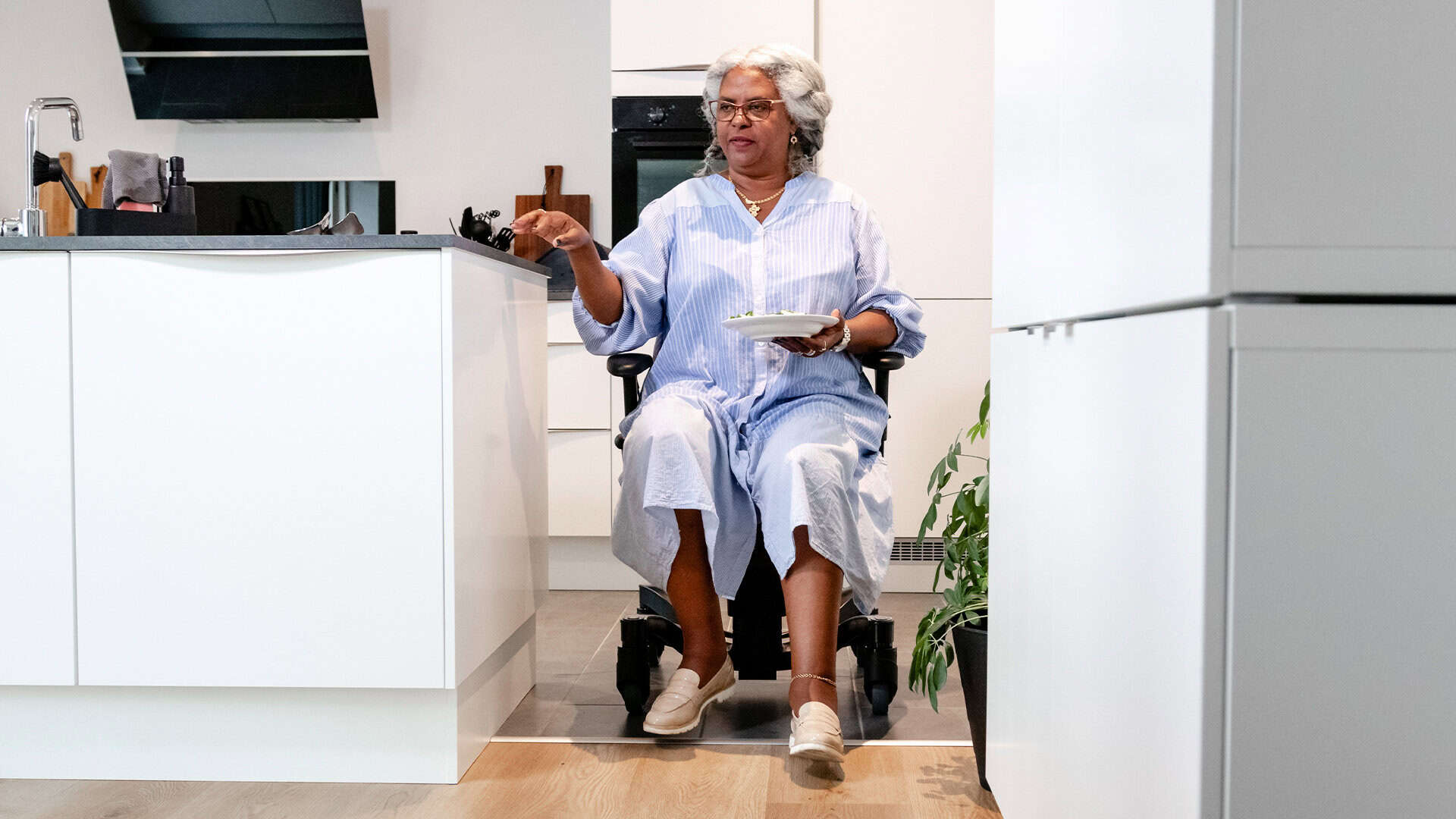
In the context of assisted living, where maximizing independence for elderly residents is a primary goal, innovative solutions like the VELA Independence Chair provide crucial support. Challenges in mobility can lead to increased need for assisted living or nursing homes. To address this, solutions that foster independence at home are invaluable. The VELA Chair, a medically approved mobility chair, is designed specifically for use in a domestic setting. It enhances safety and freedom of movement while seated, supporting daily activities such as cooking, dressing, or transferring. This not only alleviates the physical burden on caregivers but also promotes dignified living for seniors wishing to remain at home for as long as possible. Alongside the VELA Chair, wearable devices, VR/AR rehabilitation tools, and environmental control through smart home technology are being implemented in assisted living and in-home care strategies. With the rapid adoption of AI-driven personalization—such as voice-controlled medication dispensers, eye-tracking communication aids, and sip-and-puff systems—daily supports are increasingly tailored to each user’s specific needs. Industry trends further point to the merging of mainstream and assistive tech, facilitating greater independence and smoother technology adoption for both disabled and non-disabled users.[4][6][6]
Investing in a Community-Oriented Lifestyle
Hingham’s assisted living communities extend beyond housing, fostering a sense of belonging and care through programs involving social clubs and lifelong learning. These initiatives invite seniors to explore new personal growth opportunities. Financial planning is integral, with monthly costs from $7,080 to $7,393 reflecting the quality and breadth of services. These costs reassure families of receiving premier care tailored to their loved ones’ evolving needs. In conclusion, Hingham’s focus on specialized, empathetic, and high-quality assisted living sets a standard aligned with demographic demands and the ethos of dignified aging. The integration of advanced tools like VELA chairs, smart home integration, AI assistants, and immersive digital aids further highlights the commitment to enhancing seniors’ daily lives, ensuring they remain active, engaged, and, most importantly, at home. The 2026 focus from leading industry gatherings such as CES and ATIA further validate the industry’s dedication to evolving best practices and inclusive standards for all types of users.[3][8]
Supporting Aging in Place: A Practical Option
For seniors who prefer to maintain their independence and live at home, products like the VELA Independence Chair present a viable solution. Designed with features such as a central brake for safety, electric height adjustability, and ease of movement while seated, these chairs provide substantial benefits. They address common challenges like safety, energy conservation, and the ease of transfer between different positions or spaces. By integrating such solutions at home, seniors can potentially delay the move to a nursing home, allowing them to enjoy comfort and familiarity longer. Independent living aids for seniors like VELA help preserve dignity, freedom, and safety in daily routines, making everyday activities achievable and enjoyable. In addition, new assistive technologies—such as wearable mobility aids, BCI-controlled prosthetics, smart glasses for real-time environment description, and integrated voice-activated AI assistants—can be tailored to address individual needs, maximizing the period of independent living. The rise of inclusive technologies such as predictive speech software, compact computers for low vision, and haptic navigation wearables further signal the blending of mainstream and assistive device benefits, supporting both disabled and non-disabled users in daily life. These developments reflect the industry’s movement toward ergonomic, user-focused design and the adoption of global standards, ensuring products and care solutions align closely with user feedback and daily challenges.[7][5][9]