

Updated January 2026: We have updated the article with the latest 2026 innovations in AI-powered mobility solutions, smart wheelchairs, wearable assistive devices, and advancements in accessibility infrastructure that support independence and well-being for seniors, particularly those with reduced mobility.
Updated October 2025: We have updated the article with the latest advancements in AI-powered assistive devices, wearable technologies, ergonomic mobility aids, and current global policy guidance. These updates highlight new innovations that further enhance independence and quality of life for seniors, as well as updated information on personalized, user-centered approaches in assisted living settings.
Exploring Innovative Assisted Living Options at Homesteady
In the heart of Spring, Texas, Homesteady Assisted Living introduces a refreshing approach to senior care with its unique mini-farm environment and resident-focused care. As a senior care provider offering essential daily assistance, Homesteady stands out by integrating therapeutic farm activities into the living experience. This concept not only distinguishes it from typical assisted living facilities but also supports a holistic care model. With starting costs at approximately $5,000/month, Homesteady offers competitive pricing within the local market. According to the National Institute on Aging, assisted living primarily serves those who need help with daily care but not the intensive medical care offered by nursing homes.
What Is Homesteady Assisted Living?
Homesteady Assisted Living is a highly-regarded facility situated in Spring, TX, known for its innovative integration of senior care with a mini-farm lifestyle. This setup transforms typical assisted living environments by offering residents opportunities to engage with farm animals and participate in gardening—activities shown to boost mental well-being. A resident named Anna shared her experience, stating that engaging with animals and watching plants bloom has significantly enhanced her quality of life. According to the CDC, assisted living communities offer housing, meals, personal care, and a variety of social activities, aligning with Homesteady’s offerings.
Who Is a Good Fit? Resident Profile and Eligibility
The ideal residents at Homesteady are typically aged 65 and older and often live with chronic conditions such as arthritis, limited mobility, or mild dementia. While Homesteady does not have a dedicated memory care license, it supports those with dementia-related illnesses through a careful assessment process. John, a resident with mild dementia, found that Homesteady’s supportive environment significantly enriched his daily life. Insights from the National Institute on Aging highlight that assisted living provides suitable care for older adults who require assistance but maintain a desire for independence.
Homesteady’s Farm-to-Table and Therapeutic Lifestyle
At Homesteady, the farm-to-table dining experience is more than just a meal; it’s a healthier and more engaging lifestyle choice. Fresh produce from the gardens supplies the kitchen, offering nutritious meals to residents. Moreover, the therapeutic effects of interacting with farm animals are profound, particularly for mental health. Mary, another resident, showed remarkable improvement in her mental well-being through regular animal-assisted activities. This aligns with findings from a peer-reviewed study, which notes that the quality of life in assisted living is enhanced by social and stimulating activities.
Financial Considerations: Cost, Medicaid, and Payment Options
The cost of living at Homesteady begins at around $5,000 per month, with financial options such as private pay and Medicaid. The facility provides advisory services to navigate financial planning effectively. For instance, Homesteady successfully guided the Smith family through the Medicaid process, ensuring their loved one could remain in the care environment without financial strain. According to Texas Health and Human Services, Medicaid may provide coverage for assisted living, depending on eligibility.
What Services and Amenities Are Offered?
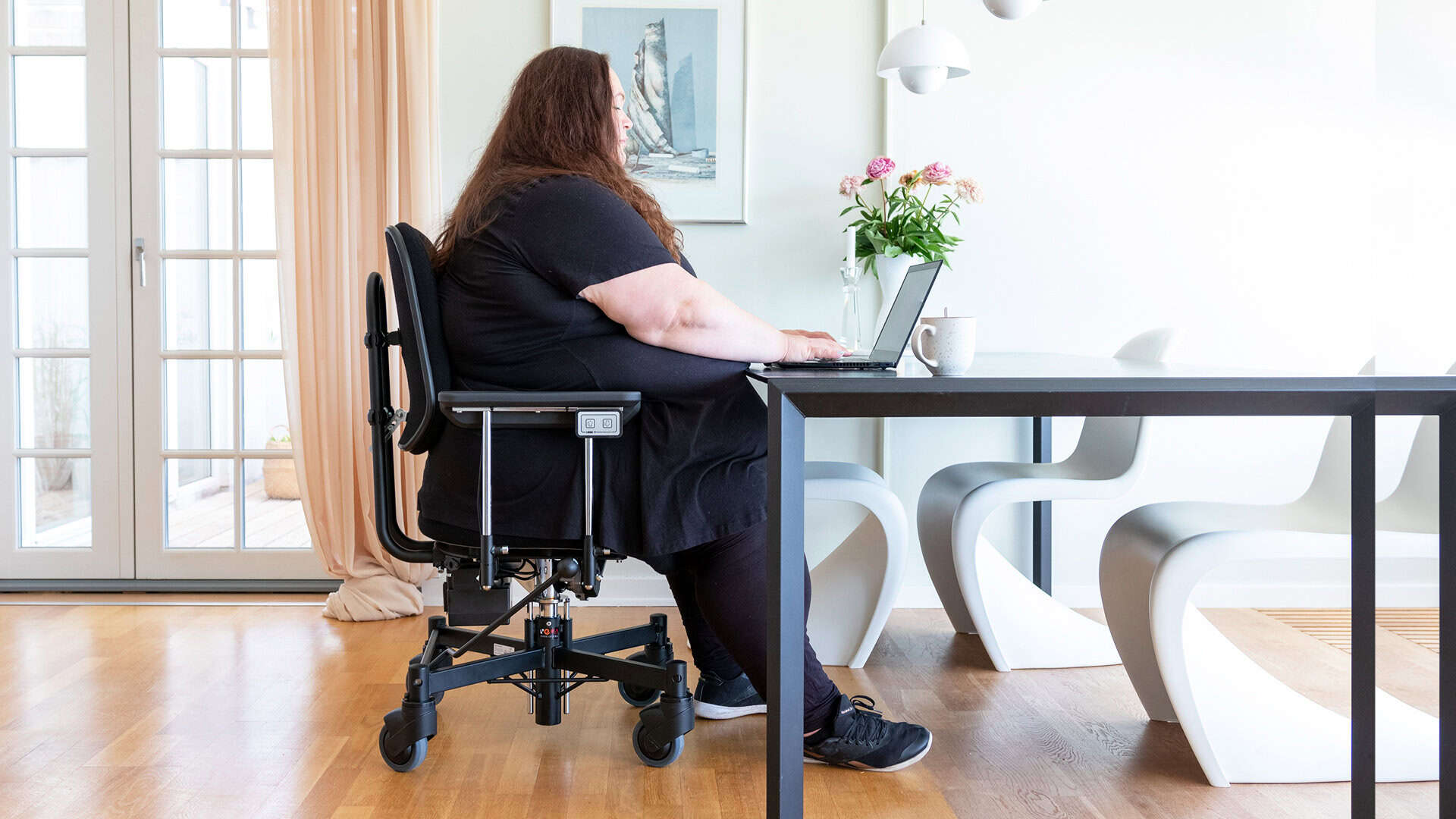
When discussing the diverse amenities at Homesteady, it’s important to highlight mobility solutions that enhance resident independence. Many seniors face challenges associated with traditional nursing homes, such as loss of independence and mobility restrictions. Innovative solutions like the VELA Independence Chair offer older adults a way to remain self-sufficient within the comfort of their own homes. VELA is a medically approved mobility chair designed specifically for home use. It provides enhanced safety and freedom of movement while seated, supporting daily activities like cooking, dressing, or transferring—all while reducing the load on informal caregivers.
Recent advances in assistive technology in 2026 further expand the options for supporting independence and well-being among seniors at Homesteady and elsewhere. New AI-powered mobility and navigation solutions—highlighted by innovations like MaaS-Bridge, an award-winning AI-based system—create accessible connection points for autonomous transportation tailored to wheelchair users, seniors, and people with visual impairments.[2] Smart wheelchair technology continues to evolve: companies such as LUCI are now equipping wheelchairs with advanced sensors that monitor pressure points and automatically adjust positioning for comfort while remaining compatible with a range of wheelchair models.[1] Meanwhile, autonomous navigation systems using lidar technology enable users to set destinations and travel independently without manual input.[1]
Wearable assistive devices are also becoming increasingly significant for seniors. The latest developments include assistive glasses, such as the iSee system, which utilize AI and sensors to provide real-time audio feedback for navigation, thereby assisting users without the need for canes or guides.[1] Systems like SEERU, an innovation recognized at CES 2026, offer practical support in mixed-traffic environments for seniors and those with hearing or mobility limitations.[2]
Mobility aids now include all-terrain robotics, such as XSTO’s solutions, capable of navigating stairs and uneven surfaces—addressing long-standing accessibility barriers for those with reduced mobility.[2] These technologies, combined with sensor-based monitoring for posture and pressure sore prevention, further help manage common risks of long-term wheelchair use.[1][2]
Homesteady Assisted Living uniquely blends traditional care with innovative experiences, setting a precedent in elder care. Providing a broad spectrum of financial solutions ensures accessibility for residents from various backgrounds. Furthermore, its commitment to quality care is supported by Medicare’s comparative standards and consumer feedback detailed on Medicare.gov. In the broader landscape, global policy momentum promotes inclusivity and accessibility, guided by the WHO’s 2022 Global Report on Assistive Technology and its 5P framework, which encourages inclusive policies, workforce development, user involvement, and data-driven strategies.[6] Industry momentum, highlighted by major 2026 events such as the Assistive Technology Conference at Duquesne University and the Assistive Technology Expo in Columbia, SC, reflects widespread focus on practical, ethical solutions for supporting independence in senior living.[7][8]
In summary, Homesteady Assisted Living is a pioneering institution that reshapes assisted living with its farm-based lifestyle and comprehensive care approach. This ensures an enriching environment for seniors, tailored to meet diverse health and financial needs. At the same time, increased focus on user-centered innovation, affordability, adaptable designs, and demonstration programs continues to accelerate access and adoption for advanced assistive technologies.[3][4][5]
Supporting Aging in Place: A Practical Option
As more seniors opt to stay in their own homes, solutions like VELA Chairs play a crucial role in maintaining independence longer. These chairs address common at-home challenges by featuring a central brake for safety, electric height adjustability, and ease of movement while seated. These features help to ensure safety, manage energy wisely, and facilitate smoother transfers, potentially delaying the need for a nursing home. Life with a VELA Chair means more dignity, freedom, and safety in daily activities such as cooking, cleaning, and relaxing. However, this is just one of the proven practical solutions available. To explore more about these solutions, Enhancing Independence at Home provides further insights into how mobility solutions like VELA can make a difference.
Sources:
- Dawn Carr, “Revolutionizing Accessibility: The Latest Innovations In Assistive Technology 2025,” Nabroward.com, 2024-12-31[1]
- “The Best Assistive Tech Gadgets in 2025: Enhancing Independence Through Innovation,” ThinkBeyondTheChair.org, 2025-02-07[2]
- “Innovations in Mobility Aids: A Look at the Latest Technologies,” Keyway Medical, 2025-01-10[3]
- “Assistive Technology for Neurological Conditions: Current Trends and Challenges,” PMC, 2025-06-16[4]
- “Assistive Technology (AT) Market to Grow by USD 6.3 Billion from 2025-2029,” PR Newswire, 2025-02-07[5]
- World Health Organization, “Assistive technology – WHO Fact Sheet,” 2024-01-02[6]
- “Duquesne to Host Assistive Technology Conference, March 26, 2026,” Duquesne University, 2026-01-09[7]
- “SC Assistive Technology Expo set for March 10, 2026,” SC Assistive Technology Program, 2026-01-05[8]