

Updated February 2026: We have updated the article to reflect the 2026 Medicaid income eligibility limits, recent modifications in state staffing and training regulations for assisted living, and changes to the federal poverty level impacting financial qualification. There are no new developments in assistive technology or clinical eligibility criteria for assisted living; core requirements around ADL assistance, stable health, and device-supported mobility remain unchanged.
How Do I Qualify for Assisted Living?
Understanding how to qualify for assisted living is crucial for both seniors and their caregivers. As individuals age, determining the most suitable living arrangement can significantly impact their quality of life. According to California Department of Health Care Services, programs like the Assisted Living Waiver are designed to help seniors or people with disabilities receive care without residing in a nursing home.
Understanding Assisted Living Eligibility
Assisted living facilities offer a unique balance between independence and necessary support, primarily assisting with Activities of Daily Living (ADLs) like bathing, dressing, and medication management. Unlike nursing homes, which provide more intensive medical care, assisted living is better suited for individuals who need moderate assistance but want to remain as independent as possible. For instance, a senior with mild cognitive impairment might thrive in an environment that combines social engagement with necessary support, avoiding the confines of a traditional nursing home setting. According to Senior Services of America, eligibility generally includes a need for minimal skilled nursing services, daily assistance, and medication management.
Core Requirements to Qualify for Assisted Living
At the heart of qualifying for assisted living lies the evaluation of medical and functional needs. Updates in 2025 reflect an increased emphasis on the ability to perform some ADLs independently or requiring assistance with at least two ADLs, and candidates typically do not require skilled nursing care but benefit from support in daily living [1] [6]. Facilities generally do not accept residents who require extensive medical care beyond what is standard for assisted living, as they focus on stable residents who can participate in social life and daily routines with minimal nursing needs. A typical scenario involves a senior shifting from independent living to assisted living as their mobility or cognitive needs increase. As noted by Care.com, eligibility is assessed through evaluations of mobility, cognition, medical needs, and how well the facility can meet those needs.
Financial and Government Program Eligibility in California
Financial considerations are often a significant barrier for many families. Programs like Medi-Cal, through its Assisted Living Waiver, enable qualified residents to afford care by covering some costs, contingent on income and asset limits. For 2026, Medicaid and similar programs have updated their income and asset limits. The 2026 monthly income limit for seniors 65 and older is $2,982, and federal poverty level adjustments may affect eligibility standards in some states [4] [8]. These limits may vary further depending on state and program specifics. Seniors interested in government assistance are encouraged to confirm the latest thresholds for their state to ensure accurate financial planning.
Assessment and Admission Process
Before a prospective resident is admitted to an assisted living facility, a comprehensive pre-admission evaluation is conducted. This includes medical, psychosocial, and functional assessments that help outline the individual’s specific care needs. Understanding the distinction between minimal nursing care and the need for skilled care is important, as eligibility criteria continue to define that candidates should have stable health and require assistance with two or more ADLs. Documentation such as medical histories and care agreements are required to finalize the admission process. A walkthrough of a typical assessment might involve evaluating a senior’s capacity to manage medications alone or the stability of their mobility, ensuring they get the right level of support without sacrificing independence. Detailed criteria are provided by SeniorPlanning.org.
2026 Regulatory Updates: State Staffing and Training Requirements
Recent 2025–2026 regulatory changes in more than 10 states have introduced updates to assisted living staffing and training requirements, including enhanced education and training criteria for direct care staff and administrators. While these changes do not alter resident eligibility criteria, they aim to ensure facility staff are well-prepared to support residents’ ADL and mobility needs in line with contemporary best practices [7]. These regulatory trends are designed to maintain safety and quality care, especially as resident needs become more complex.
Enhancing Safety and Independence in Assisted Living — Role of Assistive Equipment
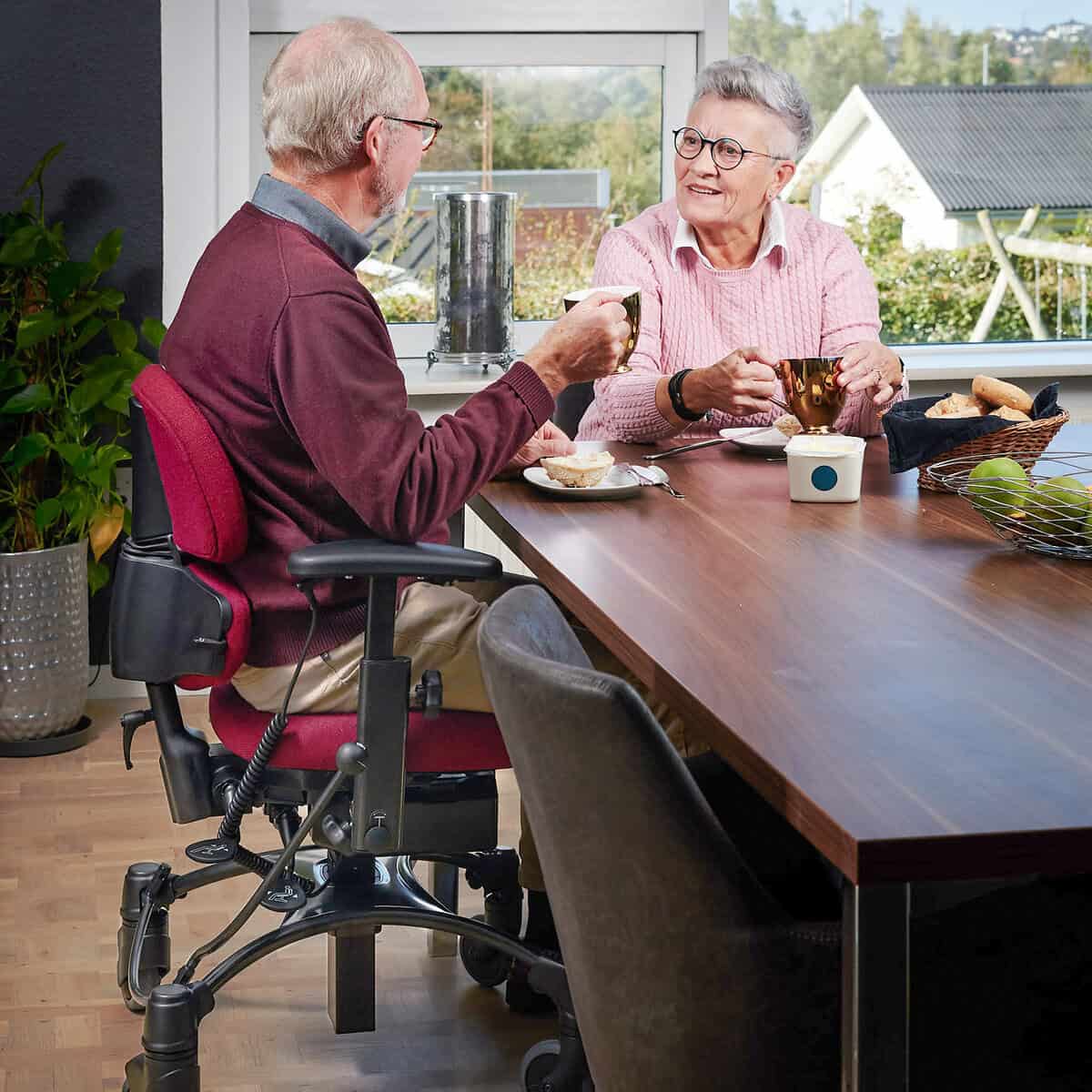
Advancements in assistive equipment support both safety and independence for assisted living residents. Many older adults now benefit from specialized mobility aids, such as wheelchairs with obstacle detection, terrain adaptation, and voice-activated smart home controls [2] [12]. Innovative solutions like the VELA Independence Chair also exemplify the integration of user-centered design and technology for safe daily activity support. User-focused trends include developments like brain-computer interface-controlled prosthetics and wearable robotic exoskeletons; however, there have been no notable changes or new technologies introduced in the past year. Current solutions support daily activities and help expand the range of activities residents can perform safely and independently [6].
Supporting Aging in Place: A Practical Option
Embracing aging in place with supportive tools like the VELA Chair and AI-powered adaptive devices can transform day-to-day experiences for seniors and delay the need for a move to a nursing home. Features such as central brakes, electric height adjustability, and advanced navigation support enable seniors to maintain autonomy while reducing fall risks and enhancing personal safety. The ability to age in place using adaptable equipment builds dignity, freedom, and improved quality of life within the home environment. For additional inspiration on Mobility Solutions for Seniors, explore the practical applications these chairs offer.
Qualifying for assisted living involves meeting both medical and financial criteria, ensuring that seniors receive appropriate care while promoting independence. Updated Medicaid and federal standards for 2026 help more seniors access care according to their medical and functional needs, while new staffing and training regulations aim to enhance quality and safety in facilities. For comprehensive recommendations, consult the California Department of Health Care Services.
Empowering seniors to live with dignity and independence is at the heart of assisted living facilities — ensuring they receive the necessary support while retaining a sense of autonomy.