

Updated February 2026: We have updated the article with the latest (2026) assisted living statistics, reflecting new median stay durations, resident demographics, and rising costs. We have also added information about cutting-edge assistive technologies—including AI-driven mobility devices and smart wheelchairs—that are helping extend independence and prolong stays in assisted living facilities.
How Long Do People Live in Assisted Living?
Understanding how long residents remain in assisted living is crucial for families planning long-term care. The most current data show the median stay is now about 22 months, or nearly 2 years, reflecting a blend of health conditions, personal needs, technological support, and financial considerations. According to Retirement Living, most residents eventually transition through varying levels of care, with 60% moving on to nursing homes as their needs increase.
Key Demographics and Health Profiles of Assisted Living Residents
Residents in assisted living facilities predominantly consist of women, primarily aged 85 and older. This demographic trend is reinforced by the longer life expectancy of women, who typically outlive men by 5–8 years, resulting in a majority female residency. The most recent statistics point to an average resident age of 84, with more than half (52%) over the age of 85. According to Retirement Living, common health challenges faced by residents include dementia, arthritis, and hypertension. A typical resident might be someone like Rose, a 90-year-old woman with dementia who requires daily assistance with activities like bathing and dressing, illustrating real-world examples.
What Factors Impact the Length of Stay in Assisted Living?
Several factors determine how long someone might reside in assisted living. Initial health condition remains a significant factor; those entering with more severe health issues may require only a brief stay before transitioning to a nursing home. Financial resources are also critical, especially amid rising costs that have increased following the pandemic and are projected to reach a median of $5,871 per month by 2030. As highlighted in recent data, about 60% of residents transition to nursing care after their time in assisted living. Technology is also shaping length of stay: The integration of advanced assistive solutions—including AI-driven wheelchairs, smart navigation aids, and devices that enhance rehab and daily mobility—can enhance independence, potentially prolonging residents’ ability to remain in assisted living settings. These innovations offer support for daily activities and minimize the risks that often necessitate higher care levels.
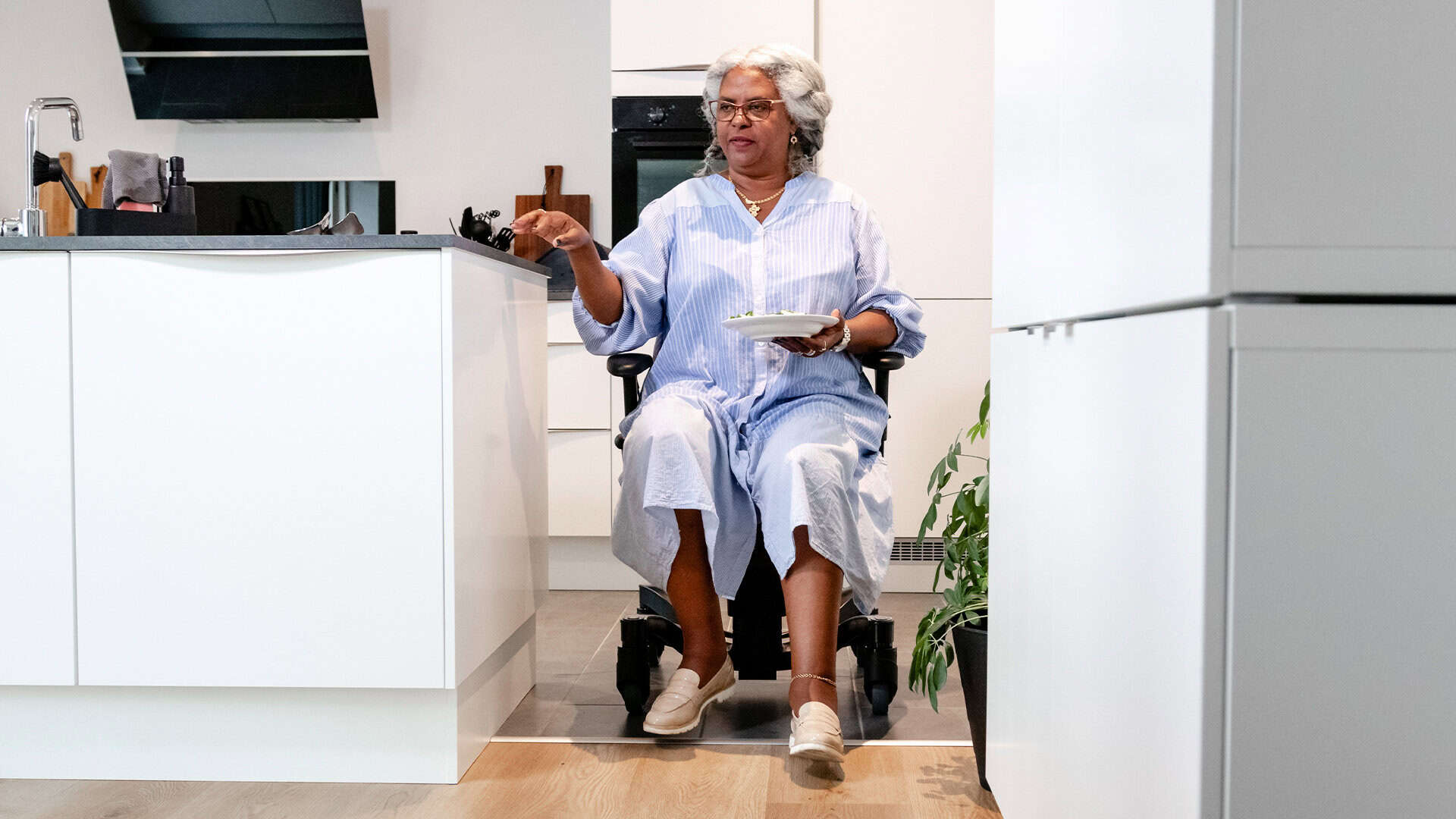
For example, consider John, a resident who begins to require more comprehensive care as his health declines, potentially leading to a nursing home transition. In situations like this, incorporating advanced assistive technologies—such as AI-powered wheelchairs with pressure monitoring, stair-climbing mobility chairs, and mobility-enabling devices—plays a crucial role in extending independence. These tools can work alongside established solutions such as VELA chairs, providing vital support for everyday mobility and tasks, and thereby potentially delaying or reducing the need for higher care placements. As transitioning to nursing homes may not always be preferable, many families explore such solutions that enhance independence and safety, enabling their loved ones to stay longer in assisted living. One such example is the VELA Independence Chair, a medically approved mobility chair designed to improve safety and freedom of movement while seated—making tasks like cooking, dressing, or transferring easier while supporting both residents and caregivers.
Typical Costs and Financial Planning for Assisted Living
Assisted living is a significant financial commitment, with national median monthly costs now ranging from $4,500 to $5,500, and recent increases pushing projections to $5,871 per month by 2030. According to Retirement Living, these rates reflect ongoing demand, staffing challenges, and increased expenses following recent public health events. Memory care services, often required for residents with dementia, add 20–30% to the monthly cost. Effective planning involves exploring Medicaid or private coverage options and working with a financial advisor to align resources with anticipated needs—critical for ensuring continuity of care as aging populations and demands rise (with 2 million additional units needed by 2040).
Frequently Asked Questions about Assisted Living Duration
- What Determines How Long Someone Stays in Assisted Living?
- Health status, mobility, integration of assistive technology, care needs, and financial capability are central factors.
- Can Residents Move Back Home, or Do They Usually Need More Care?
- Some may return home if health and independence improve, especially with technological support, but many transition to nursing facilities for advanced care.
- What Are the Chances of Transitioning to Memory Care or Nursing Homes?
- The likelihood is high for those with progressive conditions like dementia, mobility impairments, or chronic illness, necessitating tailored environments for enhanced safety and care.
How Assistive Technology (e.g., VELA Chairs) Enhances Daily Living
Rapid advances in assistive technology now play a pivotal role in extending the length of stay and quality of life for those in assisted living. AI-enabled devices—such as smart wheelchairs with autonomous navigation, LUCI pressure monitoring, stair-climbing power chairs, WheelMove attachments facilitating extended range, AI-powered glasses for navigation, and MaaS (mobility-as-a-service) platforms—are increasing independence and supporting daily tasks. These emerging options work alongside established mobility products like VELA chairs. VELA’s adjustable ergonomic features and easy-glide wheels, for example, help reduce falling risks and support residents towards more independent living. Their assistive design encourages self-reliance and provides safer, more comfortable participation in daily routines, thereby enhancing the ability to remain in assisted environments.
In summary, the average stay in assisted living now extends to around 22 months, with significant variation based on health, gender, age, financial resources, and available support. The growing adoption of innovative assistive technologies is expected to further prolong independence, enabling seniors to remain in assisted living facilities for longer durations. Understanding these evolving dynamics helps families and caregivers make informed decisions about mobility aids, financial planning, and care strategies, ensuring the best possible quality of life for their loved ones throughout their senior years.
Sources
- Assisted Living Statistics (2026) – Updated U.S. demographics, stays, costs, and projections.
- Long-Term Care Statistics 2026 – Life expectancy, disability rates, and care duration data from HHS/NCHS.
- CES 2026: 4 Assistive Technology Exhibitors to Watch – Innovations like WheelMove, MaaS-Bridge, and stair-climbing chairs.
- Exciting Assistive Technology for People with Disabilities – AI neural bridges, iSee glasses, LUCI smart wheelchairs.
- 2026 Average Life Expectancy Statistics – CDC-based U.S. trends impacting senior care.