

Updated October 2025: We have updated the article with the latest regulatory changes affecting assisted living admissions, recent advancements in assistive technology and ergonomic product design, updates on Medicaid eligibility and wait times, and new best practices for clinical and cognitive assessments. Additional authoritative sources now reflect the most current state policies and user-centered innovations in assistive living environments.
How Long Does It Take to Get Into Assisted Living?
The timeline for moving into assisted living can vary greatly, typically ranging from 2 to 14 days, though in some situations, it can extend to 60 days. According to Washington State DSHS, once an application is deemed complete, the processing timeline officially starts and can extend up to 60 days, highlighting the importance of thorough preparation. New regulations introduced in 2025 require assisted living facilities to follow enhanced documentation, electronic incident reporting, and improved transparency practices, which may also impact admission processing times. For further details, see Seniorsite.org and CareAcademy.com.
Understanding the timeline for assisted living admission
Admission timelines can range from as quick as 2–3 days to several weeks. The speed at which one can transition into assisted living primarily depends on the completeness of the required documentation and the efficiency of insurance processing. Regulatory changes now require facilities in many states to maintain higher staffing ratios and comply with mandatory electronic reporting of care quality and incidents, which can impact the admission timeline (NCAL). Emergency admissions often occur quicker, with efforts streamlined for those discharged from hospitals, enabling move-ins within just a few days. For a detailed process overview, Evergreen Estates offers a comprehensive guide.
Navigating the assisted living admission process
The journey from inquiry to move-in involves several critical steps. Initially, potential residents or their families schedule a tour and meet with admission coordinators to discuss needs. Next is the crucial pre-admission assessment, often required by state law. For example, Washington State Law mandates completion of this assessment prior to admission, except in emergencies where it must occur within five days. Recent trends underline the importance of comprehensive clinical, cognitive, and sensory assessments during admissions and throughout ongoing care planning. These updates align with current best practices and help ensure placement suitability and safety (Senior Services of America; LynRidgeWaco.com). After assessments, families compile medical records and other necessary documents. Finally, a personalized service plan is developed.
Essential documentation and assessments needed
A smooth admission process relies heavily on assembling essential documentation, including a detailed health history, results from a recent physical exam, TB test results, and verified insurance coverage. According to Downers Grove Healthcare Center, missing paperwork can cause significant delays. Families often face the challenge of coordinating with various healthcare providers to gather these documents timely.
In 2025, Medicaid-assisted living programs such as New York’s ALP have implemented refined eligibility criteria, more rigorous functional needs assessments, and detailed documentation processes. This can extend processing times to several weeks or even months, particularly when applying for government-assisted programs. Clear, complete application submissions help minimize delays (MedicaidPlanningAssistance.org).
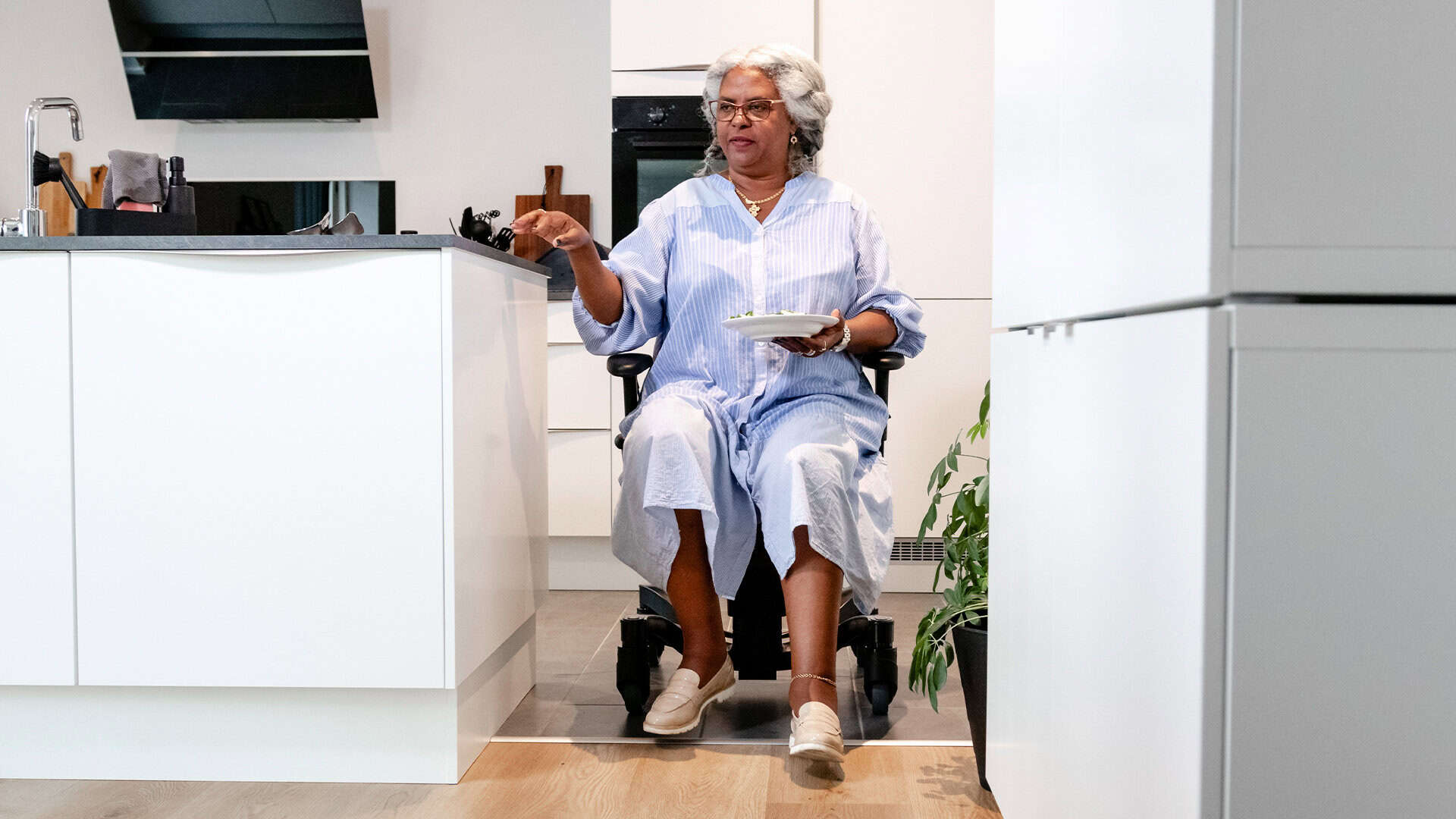
Transitioning to assisted living can come with considerable challenges, particularly concerning mobility constraints and the need for special assistance. To better support older adults striving to maintain independence at home before considering assisted living, integrating solutions like VELA chairs can be invaluable. VELA chairs are medically approved mobility aids designed specifically for home use. They enhance safety, promote freedom of movement while seated, and support daily activities such as cooking, dressing, or transferring from one place to another. By reducing the need for constant hands-on caregiving, these chairs help lighten the load on informal caregivers, offering a practical means of staying independent longer.
Recent innovations in assistive technologies and ergonomic product design demonstrate the growing role of adaptive mobility aids and AI-driven monitoring in supporting resident independence, safety, and quality of life within assisted living communities (Senior Services of America).
Adjusting to life in assisted living: expectations and tips
Transitioning to assisted living involves several emotional and physical adjustments. Residents typically adapt over 3–6 months. Supportive services, regular family visits, and community engagement can aid this transition. Rocky Mountain Assisted Living stresses creating a welcoming environment to help new residents feel at home. Personalizing spaces and maintaining close ties with family can ease the transition significantly.
Using adaptive equipment like VELA chairs can enhance independence and confidence for those with mobility challenges, promoting safer transitions and a more active lifestyle in the community setting.
The timeline for entering assisted living largely depends on preparation and understanding of state regulations. With proper preparation, the admission process can be straightforward. Balancing assisted living with maintaining home independence, potentially with aids like VELA chairs, offers a viable option for many. For further guidance on admission protocols, Senior Services of America provides authoritative insights into the necessary requirements and practices.
How mobility solutions like VELA make a difference
Mobility aids such as VELA chairs can significantly impact individuals’ ability to stay independent at home longer. Designed to address specific issues like safety, energy conservation, and ease of transfer, these chairs offer features such as a central brake for enhanced safety, electric height adjustability, and seamless movement while seated. Imagine the difference in daily life—cooking or cleaning becomes manageable without fatigue, and the potential for falls is greatly reduced. By providing such support, the need for nursing home placement can be delayed, preserving an individual’s dignity, freedom, and quality of life. While VELA chairs are not the only solution, they represent a practical, proven approach to supporting aging in place. For extensive insights into these solutions, VELA Chairs for Independence showcases various models and their benefits, helping to tailor choices to individual needs.
Sources
- Seniorsite.org – 2025 Assisted Living Facility Requirements
- AHCA/NCAL – State Regulatory Modifications, 2023–2025
- CareAcademy.com – New Rules for Assisted Living Facilities, 2025
- MedicaidPlanningAssistance.org – NY Assisted Living Program
- Senior Services of America – Assisted Living Requirements and Qualifications
- LynRidgeWaco.com – Who Qualifies for Assisted Living and When to Move
- AngelCareNY.com – New Laws in Home Care and Medicaid, 2025