

Navigating Idaho Assisted Living Regulations: A Comprehensive Overview
For families considering assisted living facilities for their loved ones in Idaho, understanding the regulatory landscape is crucial. With a significant portion of the rural population aged 65 and older—nearly double the state average—Idaho faces unique challenges in senior care. The Idaho Department of Health and Welfare serves as the primary regulatory body overseeing assisted living facilities, ensuring they cater to the specific needs of seniors while maintaining high standards of care.
Understanding Idaho’s Assisted Living Regulatory Framework
What Defines an Assisted Living Facility in Idaho?
In Idaho, Residential Care/Assisted Living Facilities (RCF/ALF) are defined by the Idaho Department of Health and Welfare as residences providing supervision, personal assistance, meals, and lodging to three or more adults not related to the owner. These facilities are tasked with offering choice, dignity, and independence to individuals needing assistance with daily activities. According to the Idaho Legislature, these facilities are crucial in supporting seniors’ lifestyles.
Regulatory Oversight
The Idaho Department of Health and Welfare plays a pivotal role in regulating these facilities, ensuring compliance with state laws designed to protect residents and maintain facility standards. A notable case involves a rural Idaho senior who smoothly transitioned into an assisted living facility where regulations safeguarded her privacy and individual rights, underscoring the department’s commitment to upholding residents’ dignity and choices.
Recent Legislative Updates Impacting Resident Rights
Senate Bill 1102 (2025)
The introduction of Senate Bill 1102 in 2025 brought significant amendments to the Idaho Residential Care or Assisted Living Act, focusing on enhancing resident rights. Noteworthy provisions include requirements for immediate access to personal records and transparent documentation of treatment refusals. For further reading, visit the Idaho Legislature site.
Through updated regulations, residents like Mrs. Johnson have reported improved quality of life. Mrs. Johnson, for instance, can now access her medical records effortlessly and ensure her care preferences are documented and respected.
Financial Assistance and Support Programs for Idaho Seniors
The Aged and Disabled (A&D) Waiver
Idaho offers the Aged and Disabled (A&D) Waiver to facilitate financial relief for long-term care support in various settings, including assisted living facilities. Detailed information is available on Medicaid Long Term Care. This waiver provides vital services such as skilled nursing, home modifications, and personal care assistance. For example, Mr. Larson benefited from the A&D Waiver, allowing him to receive necessary support while maintaining his independence in an assisted living setting.
Property Tax Reductions
Idaho law provides for property tax reductions for qualified seniors, alleviating financial burdens for many residents. By reducing these financial stressors, seniors can focus on enjoying their retirement years without the looming worry of financial instability.
Integrating Mobility Solutions: A Focus on VELA Mobility Chairs
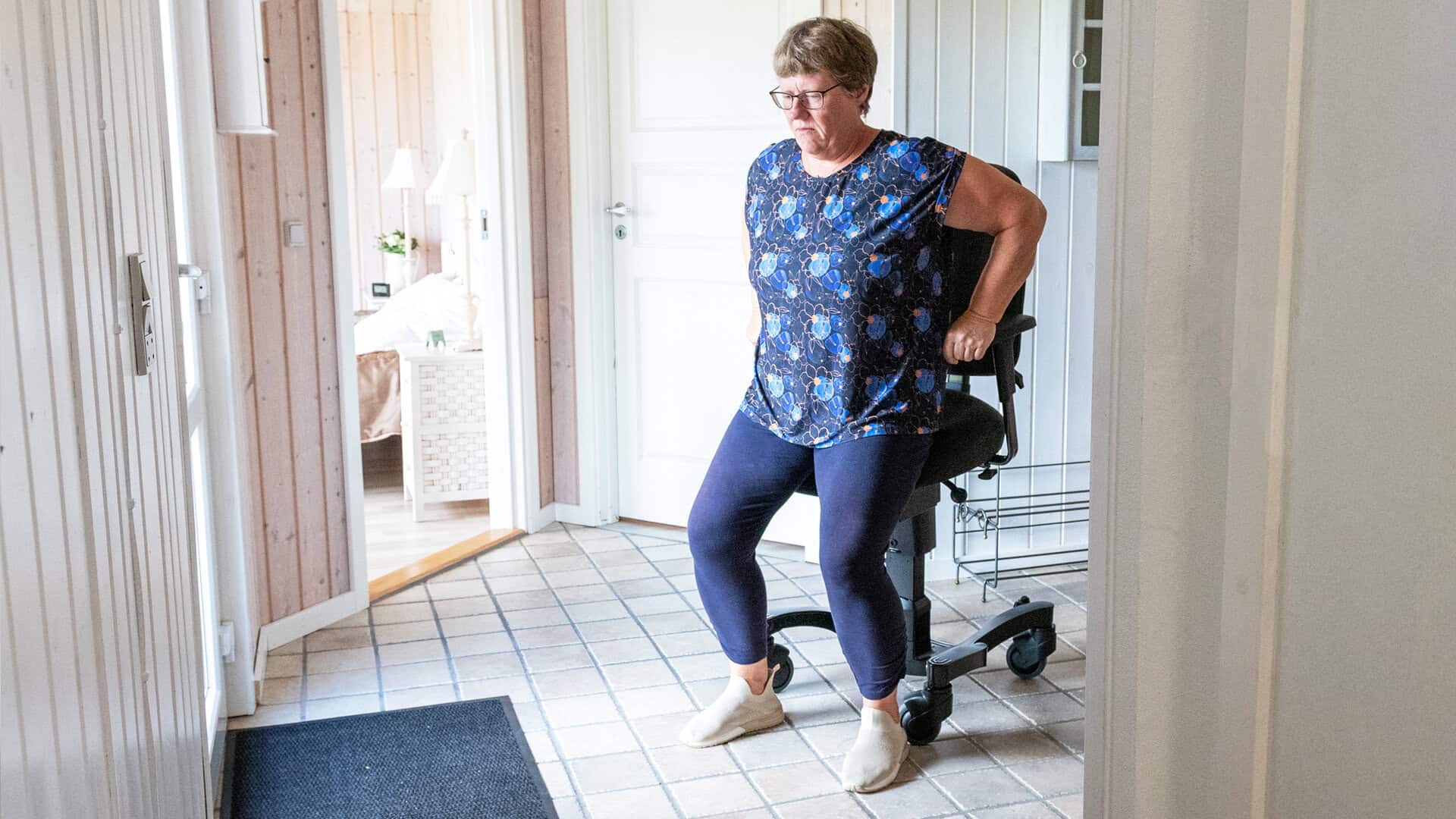
Faced with the logistical challenges of maintaining independence in assisted living facilities, Idaho’s elderly population can benefit significantly from innovative mobility aids. Mobility solutions, like VELA chairs, offer a bridge between the need for assisted living and the desire for independence at home. The VELA Independence Chair is a medically approved mobility chair that supports seniors with enhanced safety features, improved freedom of movement while seated, and aid in daily tasks such as cooking, dressing, and transferring. This chair also eases the burden on informal caregivers by offering reliable support designed to maintain seniors’ quality of life and autonomy.
The Importance of Choosing the Right Facility
Selecting the right assisted living facility in Idaho involves understanding regulatory compliance and advocating for resident rights. For families evaluating options, it’s imperative to consider factors such as the facility’s adherence to Idaho’s regulations, financial assistance programs available, and the specific needs of their loved ones.
The landscape of assisted living in Idaho is shaped by robust regulations that prioritize the well-being and dignity of seniors. By adhering to these standards, facilities can provide safe, supportive environments that foster independence and respect. Families and caregivers can rely on the Idaho Department of Health and Welfare for guidance and resources in navigating these decisions, ensuring their loved ones receive the care and support they deserve.
How Mobility Solutions Like VELA Make a Difference
As aging individuals seek to remain independent, products like VELA Mobility Chairs become essential allies. These chairs are tailored to meet the unique needs of seniors aiming to stay in their homes longer. Features such as a central brake system ensure stability and safety, while electric height adjustability aids transitions in daily activities, like preparing meals or tidying living spaces. Without such aids, tasks might become daunting, potentially accelerating the need for nursing home care. Offering a practical solution, VELA Chairs emphasize safety, save energy, and enhance freedom—delaying the day when a more comprehensive care solution becomes necessary. Alongside advancements in mobility aids, innovative mobility solutions remain a trusted option for sustaining independence and dignity in daily life, though they are not the sole pathway to achieving these vital goals.