

Updated September 2025: We have updated the article to include new findings on smart assistive technologies such as AI-powered devices, ergonomic innovations in mobility aids, and recent regulatory trends distinguishing residential care from assisted living. The article now also highlights integrated continuum of care models and advances in user-centered design that enhance independence for residents.
Is Residential Care the Same as Assisted Living?
Navigating senior care options can be overwhelming for families aiming to make the best choices for their elderly loved ones. A frequent question arises: “Is residential care the same as assisted living?” While these terms may seem interchangeable, significant differences impact the quality of care and lifestyle for seniors. Understanding these distinctions is crucial as, according to National Institute on Aging, over 800,000 Americans currently reside in assisted living facilities.
What Makes Residential Care Homes Unique?
Residential care homes, also known as board and care homes, are smaller, family-style settings typically housing fewer than 20 residents. This intimate arrangement fosters a homelike atmosphere where personalized care is prioritized. According to Hollenbeck Palms, a high staff-to-resident ratio, often around 1:3, ensures that each resident receives close attention. For instance, a senior with early-stage dementia may thrive in such an environment due to the close supervision and familiar surroundings.
These homes cater particularly well to seniors who prefer a quieter, more personal setting over the bustling activity of larger facilities. Seniors who appreciate the predictability and warmth of a close-knit community, akin to family living, often find residential care homes appealing.
The Benefits of Assisted Living Facilities
In contrast, assisted living facilities are larger communities offering a range of amenities and activities designed to promote social interaction and active living. These facilities often resemble apartment complexes with private or semi-private living spaces. The typical caregiver-to-resident ratio is around 1:14, reflecting a different model of care focusing on independence rather than intensive supervision.
For seniors seeking social engagement, assisted living communities offer group activities. For example, a senior might enjoy regular outings, exercise classes, and communal dining—activities facilitated by the larger setting. According to A Place for Mom, these environments foster an active lifestyle rich with peer interaction and community connection.
Comparing Residential Care and Assisted Living: Key Differences
To make an informed choice, compare residential care with assisted living in size, atmosphere, and cost. Assisted living often involves higher expenses due to the broader amenities provided. Meanwhile, residential care may be more affordable while ensuring essential daily support.
Consider two seniors with differing needs: one requiring a tranquil, small community because of sensory overload issues, and another thriving in a socially dynamic environment full of diverse activities. According to Spring Hills, such comparisons are essential for matching a senior’s personality and requirements with the right type of community.
Technology and Independence in Modern Care Environments
Recent advancements in assistive technology are transforming both residential care and assisted living facilities. AI-powered smart assistive devices—such as smart glasses that help visually impaired residents with facial recognition, text reading, and navigation—are now mainstream. Brain-computer interface (BCI) prosthetics provide more intuitive limb control, greatly improving mobility and independence for residents. Wearable exoskeletons and smart wheelchairs with adaptive sensors offer seamless control and better interaction between users and their devices, while add-on kits let existing wheelchairs benefit from the latest technologies without total equipment replacement. These innovations help personalize care and enable residents with various disabilities to remain independent and engaged in daily activities across care settings. Think Beyond the Chair, PMC, Ability MT.
Similarly, trends in ergonomic and inclusive design—such as adaptive keyboards, voice recognition software, and hands-free device controls—maximize usability and support residents with differing needs in both home- and facility-based settings. Equal Accessibility LLC.
Regulation and Care Models: Recent Updates
The distinction between residential care and assisted living has also evolved based on updated regulatory guidelines. In many regions, regulations increasingly differentiate the two based on specialized care capacity, facility size, and permissible services. For example, residential care homes may have licensing limitations on the complexity of medical services offered, while assisted living can support a broader range of care under certain state-specific frameworks. Regulations now reflect increased nuance, requiring providers and families to pay attention to how local or state authorities define facility types, eligible services, and reimbursement policies. American Retirement Homes, Innovations L, A Place for Mom.
Integrated continuum of care models, like Continuing Care Retirement Communities (CCRCs), are increasingly popular. CCRCs combine independent living, assisted living, and skilled nursing care in one setting. They support a seamless transition as needs change, often embedding cutting-edge technology and advanced support services to maximize resident independence and wellbeing. Families considering these models benefit from greater flexibility and long-term planning. Powwow LLC.
Enhancing Senior Independence Through Mobility Solutions
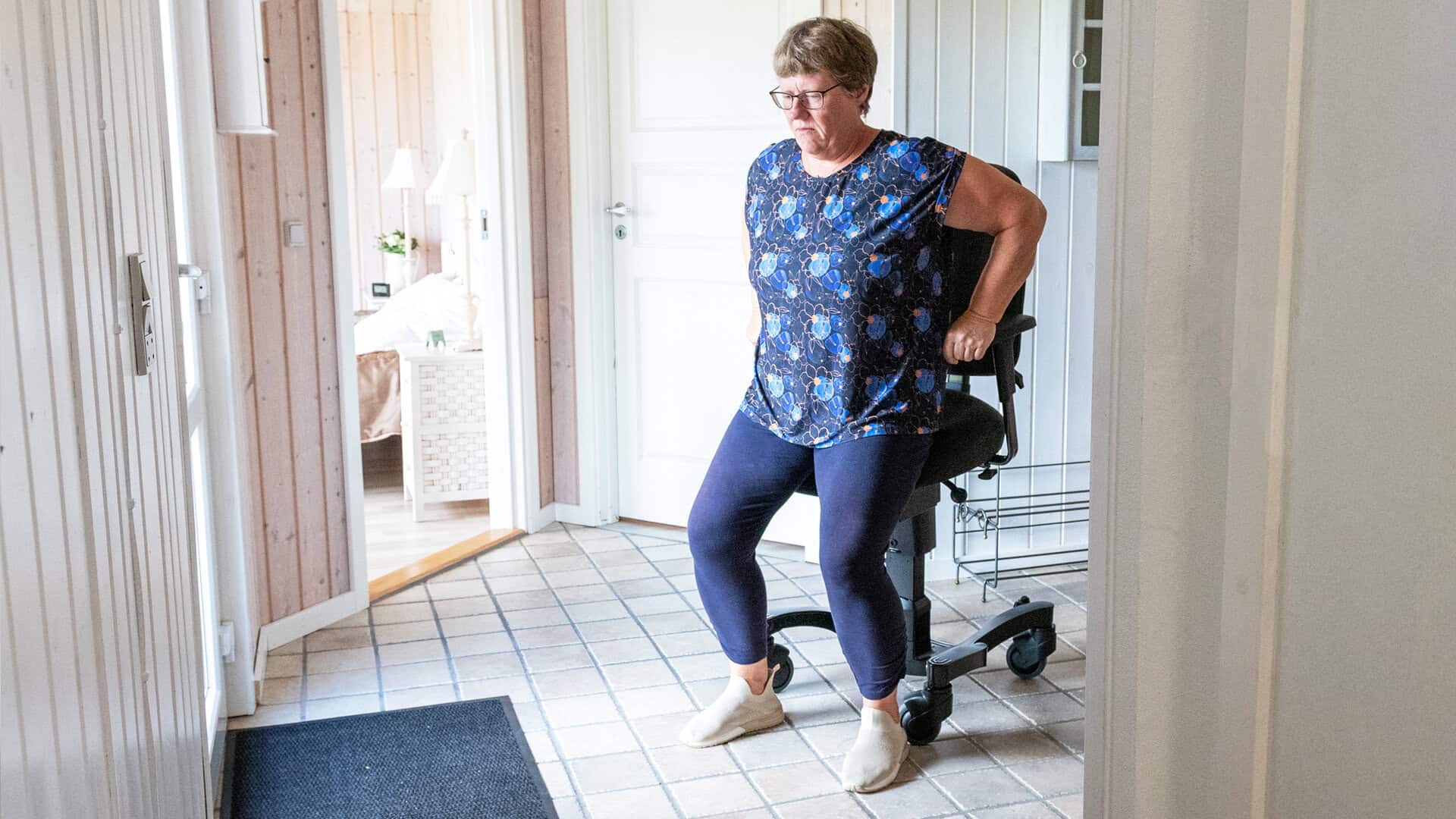
As seniors weigh care options, they must consider how they can maintain independence, particularly if staying at home with support becomes preferable to institutional care. Solutions like the VELA Chair can make a significant difference. VELA is a medically approved mobility chair designed for home use, providing enhanced safety and freedom of movement while seated. It supports daily activities like cooking, dressing, or transferring and eases burdens on informal caregivers by reducing fall risk and enhancing autonomy. For further insights, explore Mobility Aids for Independence.
Supporting Aging in Place: A Practical Option
For seniors determined to remain at home as long as possible, mobility solutions like the VELA Chair offer a viable means of extending independence. These chairs feature a central brake for added safety, electric height adjustability, and ease of movement while seated. Painting a vivid picture, imagine a senior cooking dinner or tending to household chores with less fatigue and greater stability, all while reducing potential strains on family caregivers. Emphasizing values like dignity and energy efficiency, the VELA Chair lends itself to a lifestyle that delays the need for nursing home care and promotes seamless home living. While not the sole solution for supporting aging in place, it exemplifies a practical, trusted option to enhance quality of life.