

Updated September 2025: We have updated the article to include major CMS regulatory changes effective in 2025 relating to psychotropic medication use, enhanced resident rights, and updated infection control guidelines, as well as recent shifts in federal and Kansas Medicaid policy oversight. The information now reflects strengthened consent requirements for residents and families, ongoing Kansas-specific regulatory updates, and the latest on quality assurance and Medicaid financial criteria.
Navigating Kansas Assisted Living Regulations: A 2025 Guide
Understanding Kansas assisted living regulations is vital not just for facilities but also for seniors and their families contemplating future care plans. This insight is crucial given that seniors aged 65 and over constitute approximately 16.57% of Kansas’s population, with a projected 260% increase in the 85+ demographic by 2064. According to Kansas State Plan on Aging 2022-2025, this plan is designed to ensure quality care and safety for aging Kansans.
Kansas Assisted Living Regulations: 2025 Legal Overview
Supervised by the Kansas Department for Aging & Disability Services (KDADS), an extensive array of rules ensures high standards of care in assisted living environments. As outlined on their official site, KDADS enforces both Kansas Statutes Annotated (K.S.A.) and Kansas Administrative Regulations (K.A.R.), with significant 2025 updates focusing on reporting involuntary transfers or discharges. For instance, families must navigate these new reporting requirements when dealing with unexpected discharges, underscoring the importance of understanding the changes in regulatory landscape.
In early 2025, substantial updates from the Centers for Medicare & Medicaid Services (CMS) have taken effect, extending federal oversight to include strengthened resident rights and heightened standards regarding psychotropic medication use and infection control. Facilities must now ensure that psychotropic medications are only used when medically necessary, never for staff convenience, and residents along with their families have enhanced rights to be fully informed and to consent to treatments. Additionally, infection control protocols have been expanded, including practices to address multidrug-resistant organisms and COVID-19. These federal changes reinforce care quality and resident protections in Kansas assisted living facilities, especially those providing nursing or dementia care. CMS Nursing Home Long-Term Care Surveyor Guidance, CMS 2025 Surveyor Guidance
Licensing and Certification Requirements (Including Dementia Care)
Kansas mandates a comprehensive licensing and certification process for assisted living facilities, focusing particularly on dementia care due to HB2370. This law demands special certification for facilities advertising dementia care, which raises care standards. For example, a local facility recently achieved this certification, which significantly enhanced its capability to attract and care for residents with cognitive impairments, demonstrating tangible experience and expertise in dementia care management.
While Kansas-specific regulatory updates for assisted living have been minimal as of mid-2025, federal CMS rules continue to influence operational protocols, caregiver staffing compliance, admission and discharge practices, and the physical environment—especially for facilities that also provide nursing or dementia services. Oversight efforts and health equity considerations are increasingly emphasized at the federal level. Kansas Assisted Living Regulatory Summary (AHCA/NCAL), AHCA/NCAL State Regulations
Understanding Costs and Medicaid for Assisted Living
Assisted living accommodation costs in Kansas average between $4,300 and $5,200 per month, with memory care typically costing higher due to increased requirements. According to Medicaid Planning Assistance, many seniors in Kansas offset these expenses through Medicaid. By 2025, Medicaid eligibility involves stringent asset limits ($2,000 for individuals) and income assessments, requiring significant portions of seniors’ income for healthcare costs. A real-life scenario could involve a senior applying successfully for Medicaid by meticulously preparing documentation and understanding the application process’s intricacies.
Kansas Medicaid, or KanCare, continues with its established financial eligibility criteria, where the personal needs allowance and spousal income provisions remain key factors for approval in long-term care and nursing home Medicaid settings. Updates as of 2025 confirm the importance of these financial rules, with no substantial change to the core qualifying thresholds. Kansas Medicaid Long Term Care – 2025
Home Plus and CCRC Options: Unique Kansas Models
Kansas offers “Home Plus” facilities and Continuing Care Retirement Communities (CCRCs), facilitating seniors to transition through different care levels without relocation. According to Kansas Legislative Framework on Home Plus Facilities, an example is a resident transitioning smoothly from independent living to full nursing care within a CCRC, showcasing the practicality of these models. These setups not only nurture physical health but also cater to residents’ emotional and psychological stability by maintaining a familiar environment.
In summary, Kansas assisted living regulations are well-rounded and continue evolving to assure top-tier care for the state’s growing elderly demographic. From KDADS oversight to progressive “Home Plus” models, multiple paths exist for seniors to secure safe, respectful, and suitable living arrangements. As highlighted by the Kansas State Plan on Aging, prioritizing seniors’ safety and independence remains a fundamental goal. For those navigating these avenues, discerning decision-making regarding care models and financial planning, like Medicaid utilization, is essential to determine the best fit for each individual case.
Supporting Aging in Place: A Practical Option
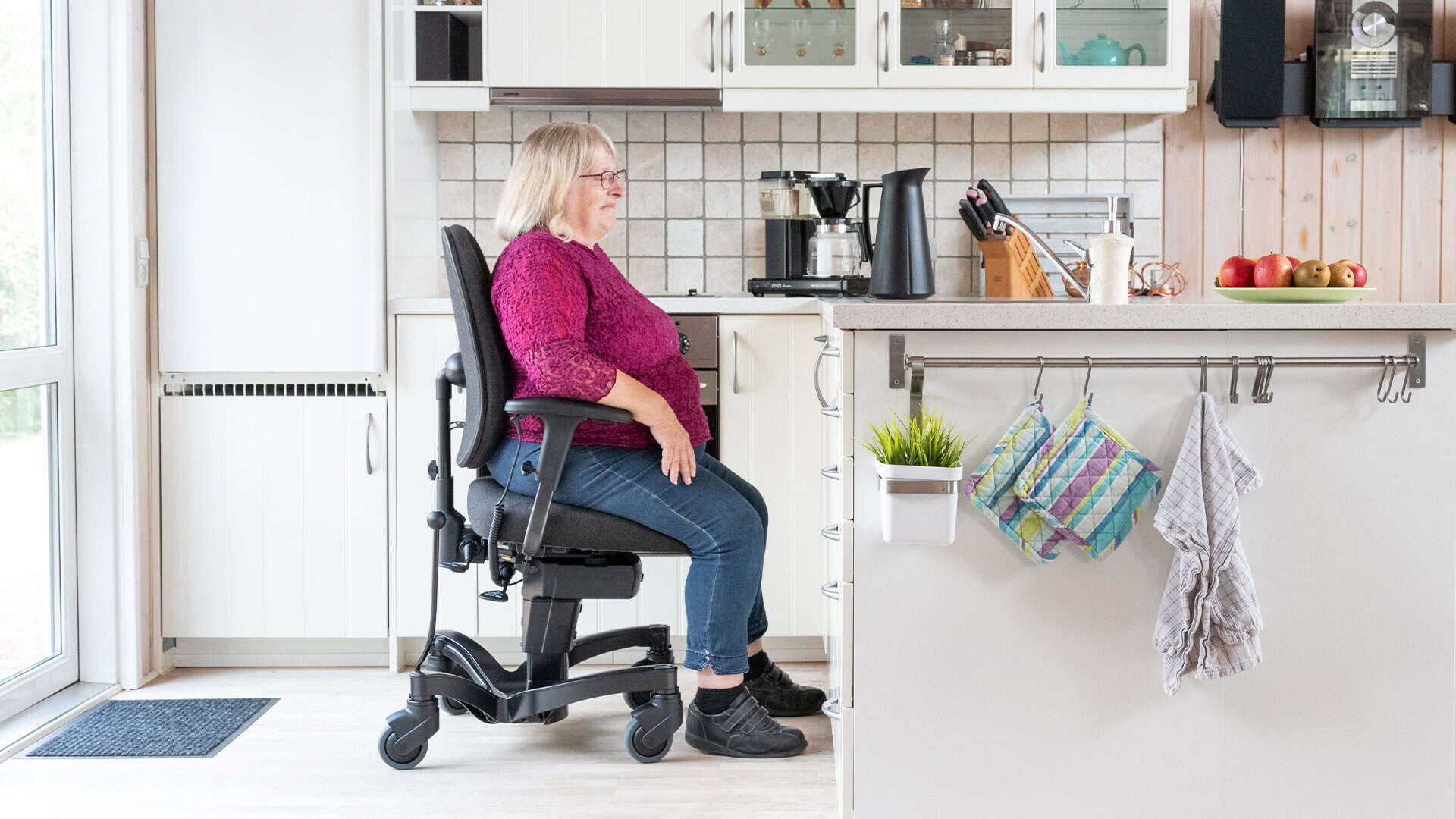
For many seniors, remaining at home while maintaining independence is an ideal scenario. Modern solutions like VELA Chairs play a pivotal role in achieving this balance by reducing the need for nursing home care. These chairs offer features that address critical challenges: a central brake for enhanced safety, electric height adjustability for energy conservation, and smooth mobility while seated. Seniors can manage daily activities like cooking or dressing more efficiently, significantly easing physical strain. By equipping homes with such supportive tools, not only is the quality of life improved, but the delay in transitioning to more extensive care settings is possible. While VELA is a highly effective option, it’s part of a broader strategy to ensure dignity and self-sufficiency for seniors at home.