

Updated February 2026: We have updated the article with 2026 data on Orange County’s senior care trends, revised cost information, recent demographic projections, and key developments in technology integration, flexible staffing, and AI-driven solutions for future-ready Korean-focused assisted living.
Korean Assisted Living Options in Orange County
Navigating the landscape of assisted living options for Korean-American seniors in Orange County requires an understanding of cultural needs and preferences. According to U.S. Census Bureau, Orange County houses over 65,000 Korean residents, accounting for 2.08% of its total population. This makes it the county with the largest proportion of Korean-born residents in California. This substantial community sets the backdrop for numerous facilities designed to offer care tailored to the cultural nuances of its residents.
Understanding Korean Assisted Living Needs in Orange County
The specific needs of Korean seniors in Orange County stem from both demographics and cultural characteristics. Many among this population experience chronic health conditions such as diabetes and dementia, compounded by challenges associated with language barriers. According to Alzheimer’s Orange County and Somang Society, these language barriers can significantly hinder effective care. These organizations have joined forces to provide culturally competent dementia care for Korean seniors, incorporating bilingual services and cultural education into care plans.
Recent advances in Orange County’s senior care landscape emphasize technology integration and holistic, culturally sensitive rehabilitation practices that support both physical and mental well-being. New models prioritize not only medical and linguistic needs, but also social connection through digital platforms, reflecting current health priorities and supporting seniors who may lack close family ties (“solo agers”). OC Older Adults Needs Assessment Report 2025OC Community Health Improvement Plan 2024-2026
Benefits of Choosing a Korean-Focused Assisted Living Facility
Choosing a Korean-focused assisted living facility presents distinct advantages over more general senior care environments. Culturally sensitive care ensures that seniors receive amenities and activities in a language-congruent setting, fostering comfort and understanding. Facilities like Fullerton Villa and Korean Senior Care in Lakewood provide dedicated language services and culturally appropriate activities that assimilate Korean traditions within daily routines, thus enhancing residents’ quality of life, according to A Place for Mom.
Modern Korean-focused facilities are also expanding access to innovative mobility devices, sensor-based safety monitoring, and virtual social platforms. These features foster independence and help reduce isolation, particularly important for solo agers and those seeking regular engagement with family through digital channels. Senior Living Trends for 2025 (South County Mag)Senior Living Trends For 2025 (Bridge Senior Living)HDG Execs on 2026 Senior Living Trends
Profiling Top Korean Assisted Living Communities in Orange County
Several highly-rated communities cater specifically to Korean seniors. For instance, Korean Senior Care provides a personalized approach with Korean-speaking staff who respect and incorporate cultural nuances into care plans. Similarly, Anaheim Crest Nursing Center is renowned for its comprehensive Korean services, from cuisine to language support. Detailed user reviews on platforms emphasize the value of culturally aligned services and attentive, respectful staff.
Facilities are increasingly investing in adaptive housing features such as wider hallways, adjustable fixtures, and ergonomic designs to meet diverse mobility needs. The adoption of AI-driven rehabilitation programs and technology integration, including personalized care platforms and flexible staffing models like micro-shifts, further individualize care by monitoring progress and adjusting to each resident’s abilities and preferences.Senior Living Trends For 2025 (Bridge Senior Living)HDG Execs on 2026 Senior Living Trends
Financial Considerations for Korean Assisted Living
When considering assisted living options, understanding the financial aspects is crucial. According to the California Department of Social Services, assisted living costs in Orange County range between $4,000 and $7,500 per month. The Korean Senior Care facility offers a starting rate of $4,000 per month in 2026, which is below the area’s average of $6,250. It’s important for families to explore financial assistance options that may be available, particularly those tailored to the Korean-American community.Orange County Office on Aging FY2025-2026 Area Plan Update
Orange County’s latest community care strategies also promote partnerships and incentives that support investment in senior living models adapted to technology integration, flexible service design, and accessible housing. These developments are especially relevant for Korean families seeking modern, culturally appropriate care choices. The Area Plan Update also notes a projected doubling of the 65+ population by 2060, indicating increasing demand for innovative and affordable care.Opportunities in the Korea Senior Living Sector (Invesco Asia Pacific)Orange County Office on Aging FY2025-2026 Area Plan Update
Regulatory Standards and Cultural Competency in Elderly Care
California’s regulatory standards mandate specific requirements for assisted living facilities to ensure cultural competence. These requirements include language accessibility and accommodations aligning with cultural traditions. Facilities such as Fullerton Villa, recognized by the California Department of Social Services, comply by providing tailored programs and Korean-speaking staff, showcasing a commitment to both regulatory compliance and cultural sensitivity.
The Orange County Community Health Improvement Plan 2024-2026 further guides facilities to adopt technology-driven care navigation, embrace patient-centered care, and offer inclusive product design, all to address the evolving expectations and diverse needs of older adults in the region. Higher demand, rising staffing pressures, and continued fair housing sensitivities—cited in prior discrimination lawsuits—continue to shape regulatory priorities, although there are no major new updates regarding legal actions since 2025.OC Community Health Improvement Plan 2024-2026Orange County Office on Aging FY2025-2026 Area Plan Update
Frequently Asked Questions by Korean-American Families
Common concerns among Korean-American families include:
- Will my parent have Korean-speaking caregivers?
- Are traditional meals and holidays observed?
- Is dementia care provided in Korean?
- Are technology-enabled engagement and safety tools available?
- What support is available for solo agers with limited family nearby?
Insights gathered from A Place for Mom indicate that facilities addressing these needs leave families feeling reassured and satisfied with the level of culturally-aligned care offered.
Integrating Mobility and Safety Solutions: The Role of VELA Chairs in Assisted Living
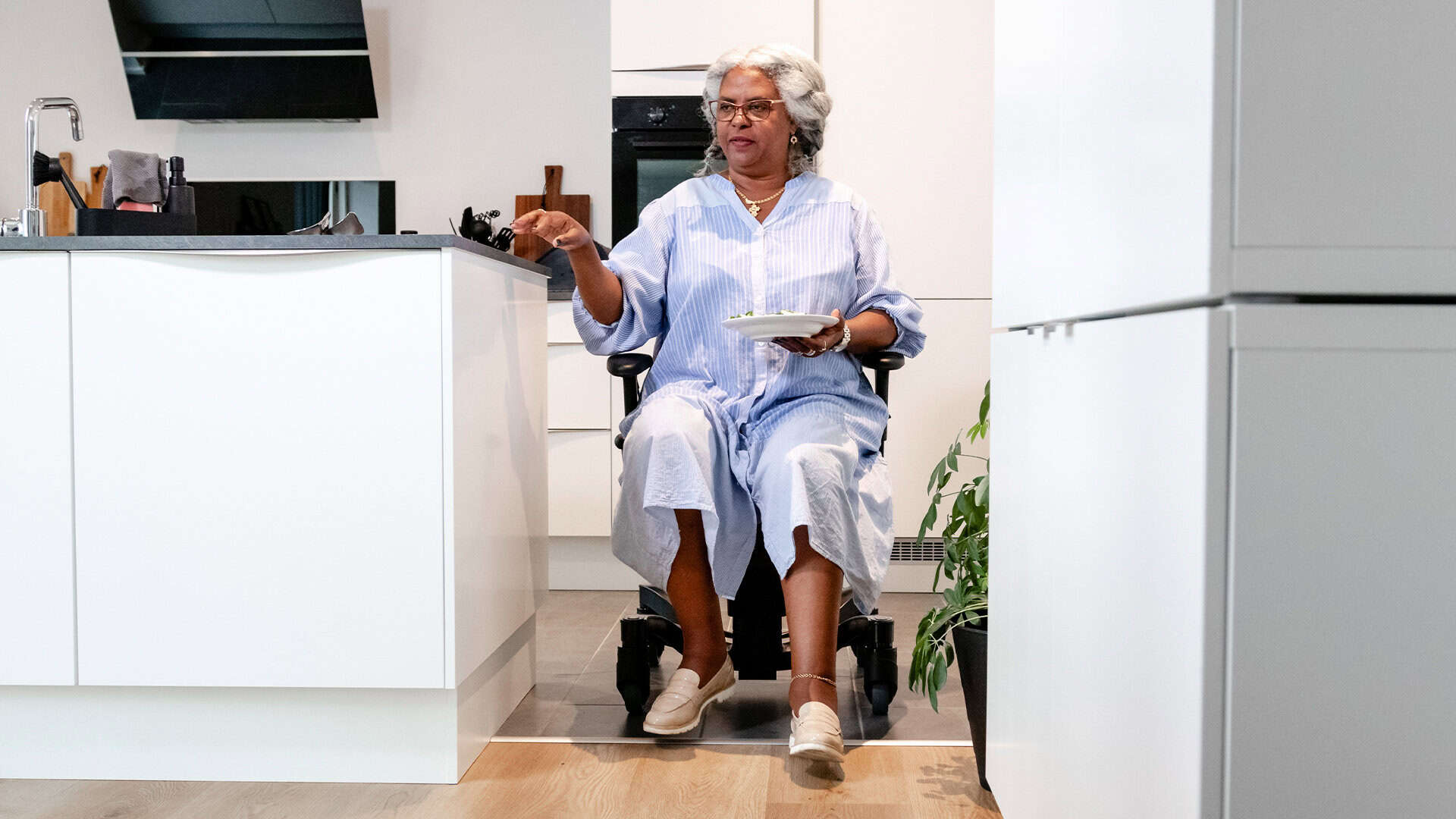
As Korean-American families evaluate care options for their loved ones, the desire to maintain independence, dignity, and comfort is paramount. Assisted living facilities can present challenges such as the risk of falls or limited mobility. However, staying in one’s home can be a viable alternative with the right support systems in place. This is where medically approved solutions like VELA Chairs offer an invaluable service. Designed explicitly for home use, VELA mobility chairs enhance safety and allow for greater freedom of movement while seated. They support vital daily activities such as cooking, dressing, or transitioning from one room to another, easing the burden on family caregivers and enabling seniors to enjoy a more autonomous lifestyle.
New ergonomic product designs and inclusively adaptive features in mobility devices, including chairs like VELA, increasingly support seniors in both home and assisted living settings. Sensor-based monitoring and user-friendly interfaces further improve safety and accessibility, in alignment with the latest best practices for senior well-being.Senior Living Trends for 2025 (South County Mag)
OC Older Adults Needs Assessment Report 2025
Senior Living Trends for 2025 (South County Mag)
Senior Living Trends For 2025 (Bridge Senior Living)
OC Community Health Improvement Plan 2024-2026
Opportunities in the Korea Senior Living Sector (Invesco Asia Pacific)
HDG Execs on 2026 Senior Living Trends
Orange County Office on Aging FY2025-2026 Area Plan Update