

Updated February 2026: We have updated the article to include major advancements from CES 2026, highlighting South Korean leadership in AI-driven AgeTech, such as non-invasive sleep bots, contactless health monitoring, AI mobility aids, and predictive wellness tools. These innovations are shifting Korean assisted living toward more independent, tech-enabled care while preserving cultural values and reducing caregiver burden. Additional sources reflecting these developments have been added.
Finding Harmony in Korean Assisted Living Solutions
As the Korean American elder population in the U.S. grows, so does the need for assisted living solutions that cater to their unique cultural requirements. Understanding the demographic dynamics and cultural preferences of this community provides crucial insights. According to the Korean American Community Foundation, the population of Korean elders in the U.S. grew by 69% from 2011 to 2021, highlighting the importance of culturally tailored assisted living options. Additionally, economic challenges compound this need, with 22% of this demographic living below the poverty line (PMCID: PMC11348194).
Understanding the Korean American Elderly Demographic
The Korean American elder demographic presents distinct characteristics. They predominantly reside in states such as California, New York, and New Jersey, with a considerable concentration in Queens, New York (PMCID: PMC11348194). Despite high educational attainment, these elders confront significant economic challenges, relying heavily on Social Security due to high poverty rates.
Consider Mr. Lee, a Korean elder living in Queens, navigating language barriers and a limited social security income. This scenario underscores the urgency for assisted living options that not only provide financial accessibility but also uphold cultural familiarity.
Cultural Dynamics in Korean Assisted Living
Traditionally rooted in filial piety, Korean culture values family-based elder care. Many Korean American families experience a shift toward nursing homes due to practical constraints, with about 44.7% of surveyed elders open to nursing homes—higher than the 19% in Korea Korea Times. This shift is reflected in the emerging “silver towns” model, which emphasizes cultural identity retention in assisted living environments.
Eben Silver Town in Atlanta exemplifies these dynamics. Developed by James Juhn, this community offers Korean elders environments rich in cultural amenities McKnight’s Senior Living. This model resonates with elders longing for spaces where their cultural identity is honored and preserved.
Key Features of Korean-Focused Assisted Living Facilities
Korean-focused assisted living facilities are distinct for their cultural accommodations and amenities. Language support is vital, with staff proficient in Korean to ease communication barriers. Traditional activities, such as tea ceremonies and calligraphy classes, foster community and familiarity. These facilities often feature Korean cuisine and culturally significant spaces.
Picture Mrs. Kim, a resident of a Korean-focused facility, starting her mornings with group exercises and enjoying traditional meals with friends in the afternoons. Such facilities create welcoming environments, offering comfort and cultural connectivity GSS Institute Report.
Enhancing Mobility and Independence
Transitioning from cultural preferences to addressing practical needs, maintaining independence becomes vital, especially as many elders face challenges in nursing homes. The landscape of assistive technology has evolved rapidly, led by South Korean innovations recognized at CES 2026, where Korean companies won 60% of Digital Health Innovation Awards (UMED Global). Recent advances in mobility aids now include AI-driven gait-assist robots from WeRobotics and adaptable wearable rehabilitation robots by Cosmo Robotics, originally designed for pediatric therapy but also serving seniors (Chosun; K4Connect). These solutions enable safer, more independent movement for elderly residents at home and within facilities, aligning with cultural goals of autonomy and reduced caregiver stress.
Additional AI-powered technologies are now central to care environments. Contactless health monitoring, as seen with DolbomDream and Ceragem, delivers ongoing wellness insights without intrusive devices. AI-powered sleep aids, like TenMinds’ SleepBot, non-invasively improve rest quality by dynamically adjusting support to minimize snoring. Smart toilet seats such as Toy Labs’ True Lu offer predictive health analytics through contactless waste assessment, enabling early detection of potential health concerns and facilitating preventive care (Chosun; K4Connect).
These AI-enabled and sensorless devices—ranging from auto-shutoff stoves and fall prevention to musculoskeletal rehabilitation platforms like ExoSystems and EverX—are shifting elder care from reactive support toward proactive independence, lessening the reliance on traditional staff and expanding possibilities for safe aging in place (Chosun; K4Connect).
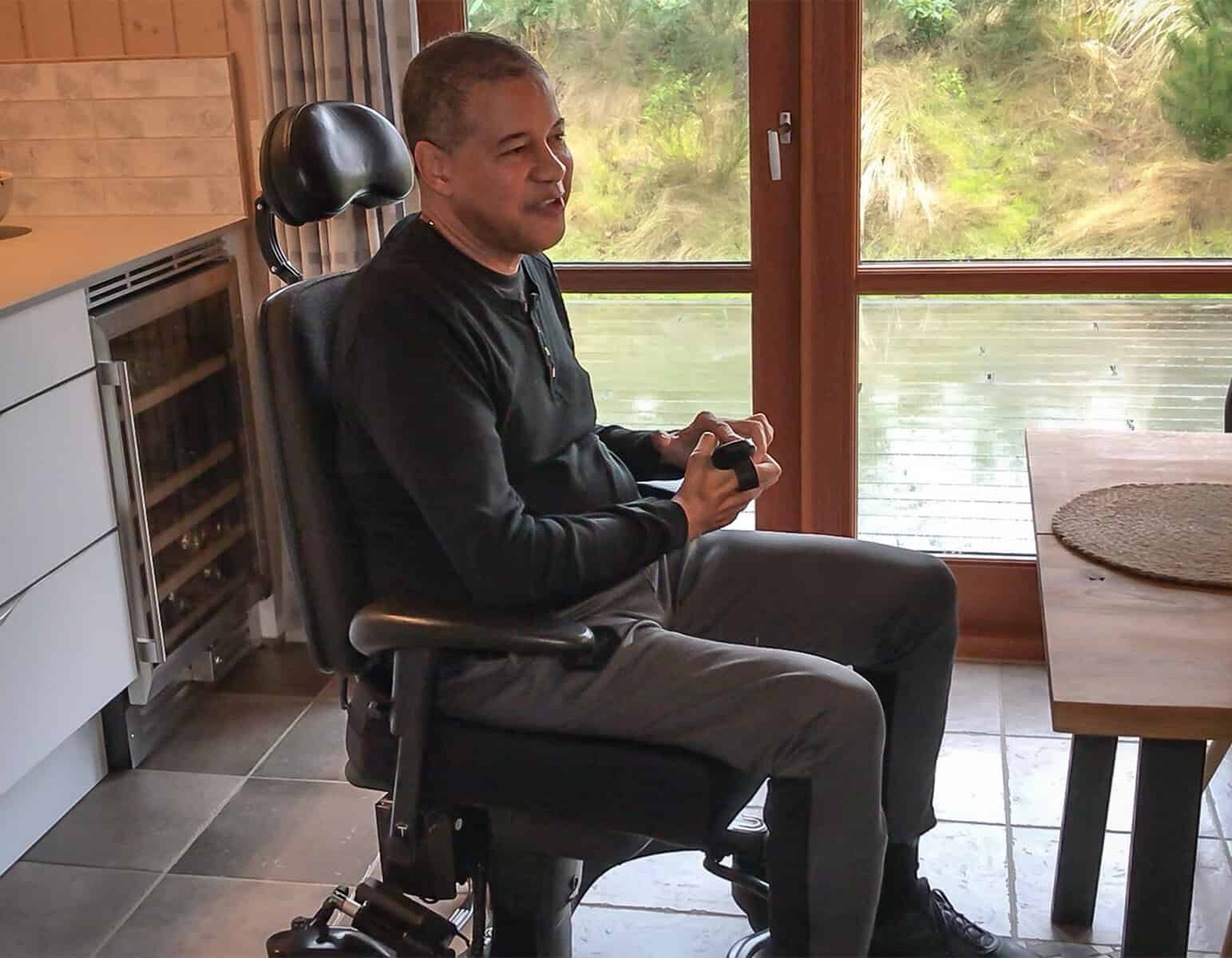
Another practical mobility option remains the VELA chair, a medically approved mobility chair designed for home use. It enhances safety, offers freedom of movement while seated, and supports daily activities such as cooking, dressing, or transferring. Moreover, it reduces the caregiving burden for families, making it a valuable aid for those who wish to age in place.
Staying Independent at Home with Support
Living independently at home is a cherished goal for many seniors, and tools like VELA Chairs play a significant role in realizing this. These chairs are engineered with features like a central brake for stability, electric height adjustability, and effortless movement while seated. Such innovations address safety concerns, minimize energy expenditure, and simplify tasks such as transferring or performing daily chores like cooking and cleaning. By facilitating safe mobility and reducing reliance on caregivers, products like the VELA Chair help seniors maintain dignity and independence longer, potentially delaying nursing home admission. Although not the only solution, VELA represents a proven and practical approach to supporting elderly home life, enriching comfort and autonomy for users.
Parallel innovations in the Korean and global AgeTech space now extend these possibilities further. Predictive AI tools for caregivers, unified health monitoring platforms, and privacy-focused edge AI devices enable American seniors in Korean-style assisted living facilities to benefit from independence-promoting technology while maintaining cultural traditions. This shift emphasizes preventive care and allows elders to live more independently for longer, even when staffing resources are under pressure (Chosun; K4Connect).
At the same time, global collaboration is fostering further improvements in care quality. South Korean medtech startups are now partnering with international organizations to deliver advanced solutions for dementia detection and support, reflecting a broader shift toward innovation and global knowledge-sharing in elder care (Medical Device Network). Healthcare policy shifts—such as those in the UK that emphasize preventative and technology-enabled interventions—are also helping drive the adoption of these new approaches. Such developments promise to benefit elders worldwide, including Korean Americans, as technology becomes increasingly central to safe, independent living (WHO).
In understanding the broader context, exploring alternatives like these underscores the vast potential for enhancing life quality for Korean American elders and strengthening their ability to remain active members of their communities for as long as possible.