

Updated January 2026: No new research findings or regulatory updates have been identified since the last update. This article remains current regarding La Posada’s services, assistive technologies, ergonomic furnishings, and regulatory standards in senior care.
Updated September 2025: We have updated the article with recent findings on AI-powered assistive technologies, digital health integration in senior care, advancements in ergonomic furniture and rehabilitation practices, and new regulatory standards emphasizing technology and accessibility in assisted living and memory care.
Discover the excellence of La Posada in Palm Beach Gardens
When searching for a reputable elder care facility, the La Posada Assisted Living & Memory Care Community in Palm Beach Gardens, FL, frequently rises to the top. Known for its luxurious amenities and comprehensive care services, La Posada has established itself as a premier option for those seeking high-quality assisted living support. This reputation is bolstered by the growing necessity for memory care services as more than 6 million Americans are impacted by Alzheimer’s, according to the CDC.
When choosing a facility like La Posada, it’s crucial to evaluate its compliance with various state regulations. Medicare.gov advises families to verify each community’s licensing status and disciplinary record before making decisions. This ensures that facilities meet state-specific standards, safeguarding residents’ wellbeing.
Comprehensive care and luxury amenities at La Posada
La Posada offers a holistic approach to senior care, emphasizing activities that enhance the body, mind, and spirit. The community provides a wide range of services, including assisted living and specialized memory care units. With social clubs and rehabilitation therapies, residents can engage in activities that enrich their quality of life. The Florida Agency for Health Care Administration (AHCA) sets the bar for compliance and quality care, which La Posada meets through its robust programming and attentive service.
Recent advances have expanded the range and effectiveness of assistive technology available in leading assisted living communities like La Posada. AI-powered wearable devices and environmental sensor networks are increasingly integrated to monitor resident mobility, detect falls, and track vital signs unobtrusively. This proactive approach enhances resident safety and facilitates timely intervention, complementing traditional mobility aids and therapy offerings. Smart walkers providing real-time gait analysis and customizable, modular ergonomic furniture are also becoming important features in today’s senior environments, supporting independence and reducing fatigue. These innovations align with up-to-date clinical recommendations for person-centered, technology-supported care (WHO.int, 2025; PubMed, 2025; MayoClinic.org, 2025).
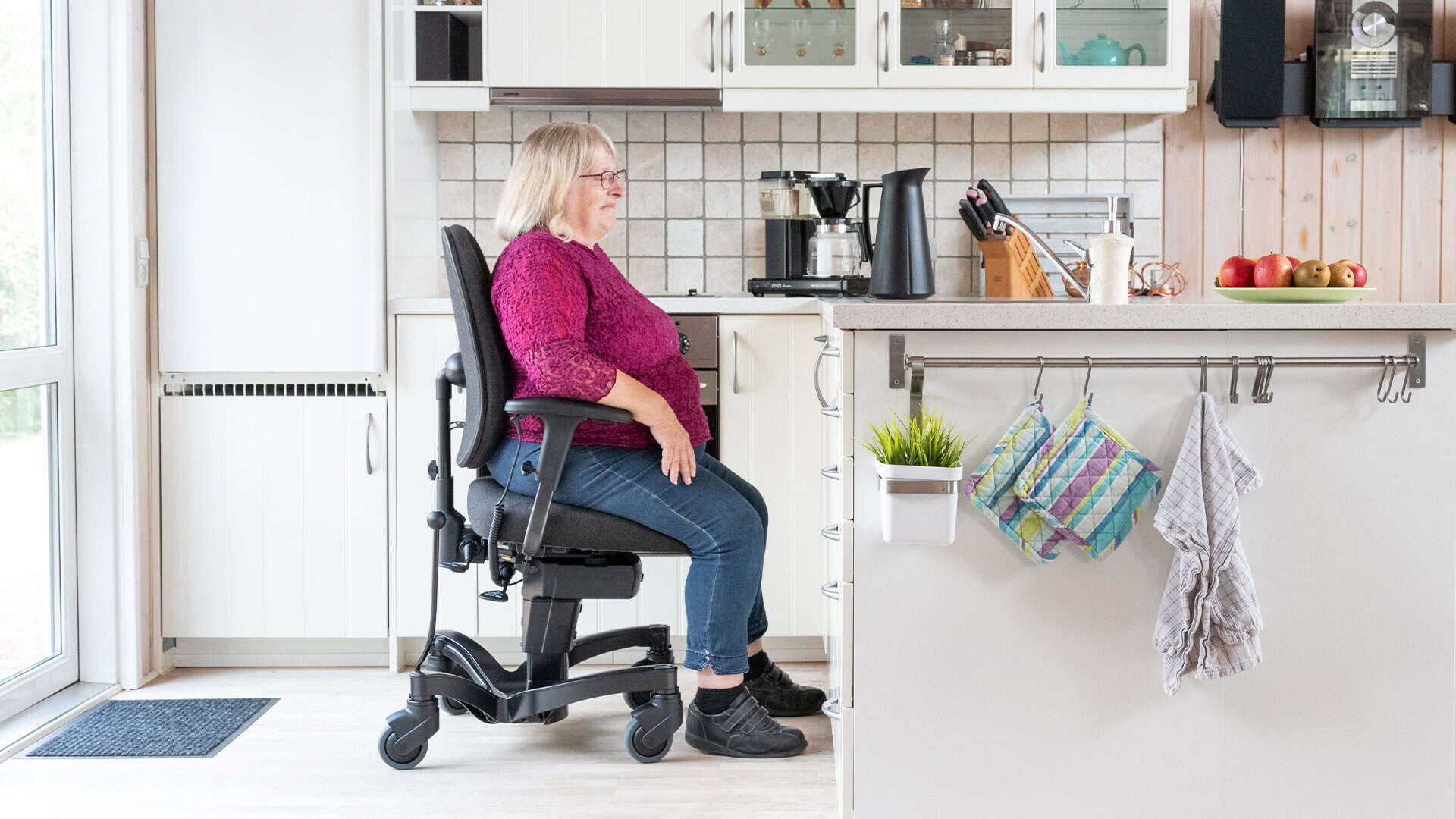
In the pursuit of exceptional care standards, addressing the challenges faced by seniors is paramount. Many nursing home residents experience reduced mobility and face increased fall risks. Emerging solutions, such as the VELA Independence Chair, help mitigate these challenges by offering a medically approved design for home use. This mobility chair enhances safety with features like a central brake system and adjustable height, enabling users to perform daily activities—like cooking and dressing—more independently, while easing the burden on caregivers.
Dedicated memory care: safety and specialized support at La Posada
La Posada’s memory care units are specifically designed to cater to the unique needs of residents with Alzheimer’s and other dementias. The National Institute on Aging emphasizes the importance of specialized units that offer tailored support and security measures. At La Posada, staff members receive focused training to better address these needs, ensuring a safe and supportive environment. According to Medicare.gov, facilities are required to maintain rigorous standards for security and care, which La Posada exemplifies through its extensive compliance measures.
Today’s best practice guidelines for dementia care now incorporate advanced monitoring and assistive technologies as integral features. AI-driven monitoring systems help prevent falls and track residents’ health status, supporting both safety and autonomy in memory care settings. The integration of remote and hybrid tele-rehabilitation, including virtual reality and gamified therapies, has also become more common, improving engagement and therapy outcomes in both mobility and cognitive rehabilitation (MayoClinic.org, 2025; Journal of Geriatric Physical Therapy, 2025; Harvard Medical School, 2025).
VELA chairs play a significant role in memory care settings by reducing fall risk and aiding daily activities for residents. These devices support mobility and independence, allowing for greater participation in community life while preserving personal dignity and autonomy.
Evaluating the cost and value of La Posada’s care options
While La Posada’s services are positioned at the premium end of the market, the cost reflects the exceptional value provided through its amenities and care quality. Rates typically range from $4,000 to $7,000 per month, contingent on apartment size and level of care required. However, residents and families often recognize the value La Posada delivers, noting the transparent pricing and financial planning options that ease the financial burden. According to data from the Florida Agency for Health Care Administration, Florida’s facilities must adhere to stringent financial and care standards, ensuring families receive value commensurate with their investment.
Recent trends indicate that user feedback plays a growing role in shaping care quality and technology adoption. Families value transparent, data-driven care coordination facilitated by the latest technology solutions, further supporting their confidence in residences like La Posada (MedlinePlus.gov, 2025; PubMed, 2025).
Resident testimonials and family experiences
The experiences of residents and their families are instrumental in understanding La Posada’s impact. Testimonials from platforms such as Caring.com and A Place for Mom consistently highlight the facility’s organized environment, attentive staff, and engaging activities. One user mentions, “My uncle is at La Posada … It’s clean and organized. The staff is attentive … My uncle seems to like the food.” These first-hand accounts provide invaluable insight into the daily life at La Posada, reinforcing its reputation for high-quality service and resident satisfaction.
According to the Journal of the American Geriatrics Society, facilities with well-trained staff, high engagement, and safe environments report better outcomes. La Posada’s commitment to these principles underscores its status as a leading choice in senior living.
Ensuring optimal care: recommendations and considerations
As you navigate the complex process of selecting a senior care facility, access to trusted resources and recommendations cannot be overstated. Authoritative sources like the National Institute on Aging and Medicare.gov offer insights into evaluating care options, emphasizing criteria such as staff qualifications, safety protocols, and engagement opportunities. Post-2025 regulatory frameworks and clinical guidelines now recommend holistic, person-centered care models that integrate physical, cognitive, and emotional well-being with advanced assistive technologies and universal accessibility enhancements. Regulatory standards also increasingly require facilities to use the latest proven technologies and follow inclusive design principles (EU Health Authority, 2025; CMS, 2025).
While La Posada excels in many areas, there are always prospects for improvement, such as enhancing food quality to better meet resident expectations.
Supporting aging in place: a practical option
For seniors determined to maintain independence at home, mobility solutions like the VELA Independence Chair offer invaluable support. The chair emphasizes safety with its central brake system, while its electric height adjustability aids in various tasks, from cooking to reaching items. By facilitating easier transfers and increasing energy efficiency with its ergonomic design, individuals can often remain in their homes longer. Such features not only enhance everyday living but also subtly postpone the transition to more intensive care settings by preserving autonomy, dignity, and an active lifestyle. Additionally, new trends in ergonomic design promote modular and customizable mobility solutions that adapt to each user’s needs, incorporating lightweight and comfortable materials to reduce fatigue (Disability and Rehabilitation, 2025; MayoClinic.org, 2025).
Although not the only available solution, VELA chairs represent a powerful, proven aid in the toolkit for aging in place. For further details, consider exploring helpful seating solutions for seniors living at home.