

Updated September 2025: We have updated the article with new findings on the integration of advanced assistive technologies such as AI-powered devices, brain-computer interfaces, robotics, and smart home solutions in assisted living. The article now reflects recent trends in affordability, regulatory changes, and emphasizes the evolving leadership role of assisted living directors in adopting and managing these innovations to optimize senior care.
Licensed Assisted Living Director: Essential Leadership in Senior Care
The licensed assisted living director plays a crucial role in the effective management of assisted living facilities, essential in addressing the needs of our increasing senior population. As the average cost of assisted living hits around $4,300 per month, this position becomes critical in assuring the delivery of high-quality care that meets the financial outlay of residents. According to Haven Senior Investments, maintaining costs aligned with the value of care is a vital responsibility.
Understanding the Role of a Licensed Assisted Living Director
The responsibilities of a licensed assisted living director (LALD) are multifaceted, encompassing operational leadership and staff management. They ensure that residents experience a supportive living environment founded on empathy and professionalism. According to Caring Careers Start Here, a typical day may involve strategic planning, overseeing care quality, and engaging directly with residents to address their needs and feedback. Directors foster a nurturing environment that supports both resident happiness and staff satisfaction.
From addressing immediate resident concerns to planning long-term operational strategies, LALDs must balance compassion with efficiency. For example, a director might implement a feedback system wherein residents and families can voice concerns, which are then addressed during team meetings to enhance care practices.
The dynamic landscape of assisted living now requires directors to stay informed on rapidly advancing assistive technologies, including AI-powered smart glasses, brain-controlled prosthetics, and robotic assistance devices. Directors are responsible for integrating these technologies into facility operations, collaborating with interdisciplinary rehabilitation teams to ensure the adoption meets both clinical needs and resident preferences. Regular training sessions may be necessary to equip staff with the knowledge required for successful implementation and to ensure ongoing compliance with evolving regulations.[2][3][6]
Education, Certification, and State Licensing Requirements
Becoming a licensed assisted living director requires the completion of specific educational pathways, certifications, and state-specific licensing. Typically, this involves obtaining a bachelor’s degree in fields such as healthcare administration or business management. A pivotal credential is the Certified Director of Assisted Living (CDAL), certified by LeaderStat, which attests to a director’s ability to lead communities effectively.
This certification is crucial as it ensures directors are prepared to handle compliance, operational protocols, and quality care standards, aligning their competencies with both resident expectations and regulatory obligations. According to the National Council of Certified Dementia Practitioners, maintaining such certifications ensures directors are adept at meeting the complex needs of aging populations.
As technology becomes a core component of care delivery, directors have the added responsibility of staying updated on new device regulations, government access programs, and best practices for user-technology integration. Government initiatives worldwide are expanding access to assistive devices, and directors must frequently update training and policy to reflect new standards and ensure equitable distribution of advanced technologies within their communities.[8]
The Changing Demographics of Assisted Living Residents
The demographic profile of assisted living residents is shifting, with most individuals being aged 75 and older, and many entering facilities in their early 80s, often with chronic conditions such as dementia and diabetes. Haven Senior Investments notes that directors must adapt services to meet the nuanced needs of these demographics.
Consider a situation where an influx of residents requires specialized dementia care. An LALD might initiate staff training programs and design activities that promote mental engagement, thereby enhancing the quality of life for residents with cognitive impairments.
Today’s directors are expected to tailor care models by leveraging user-centric assistive devices like AI-powered glasses for visual impairment, brain-computer prosthetics for mobility, and smart home solutions for environmental control. These innovations not only support residents’ independence but also address the broad spectrum of clinical and daily living needs, allowing for more adaptive and responsive care plans.[2][4]
Integrating Safety and Mobility Solutions in Elderly Care
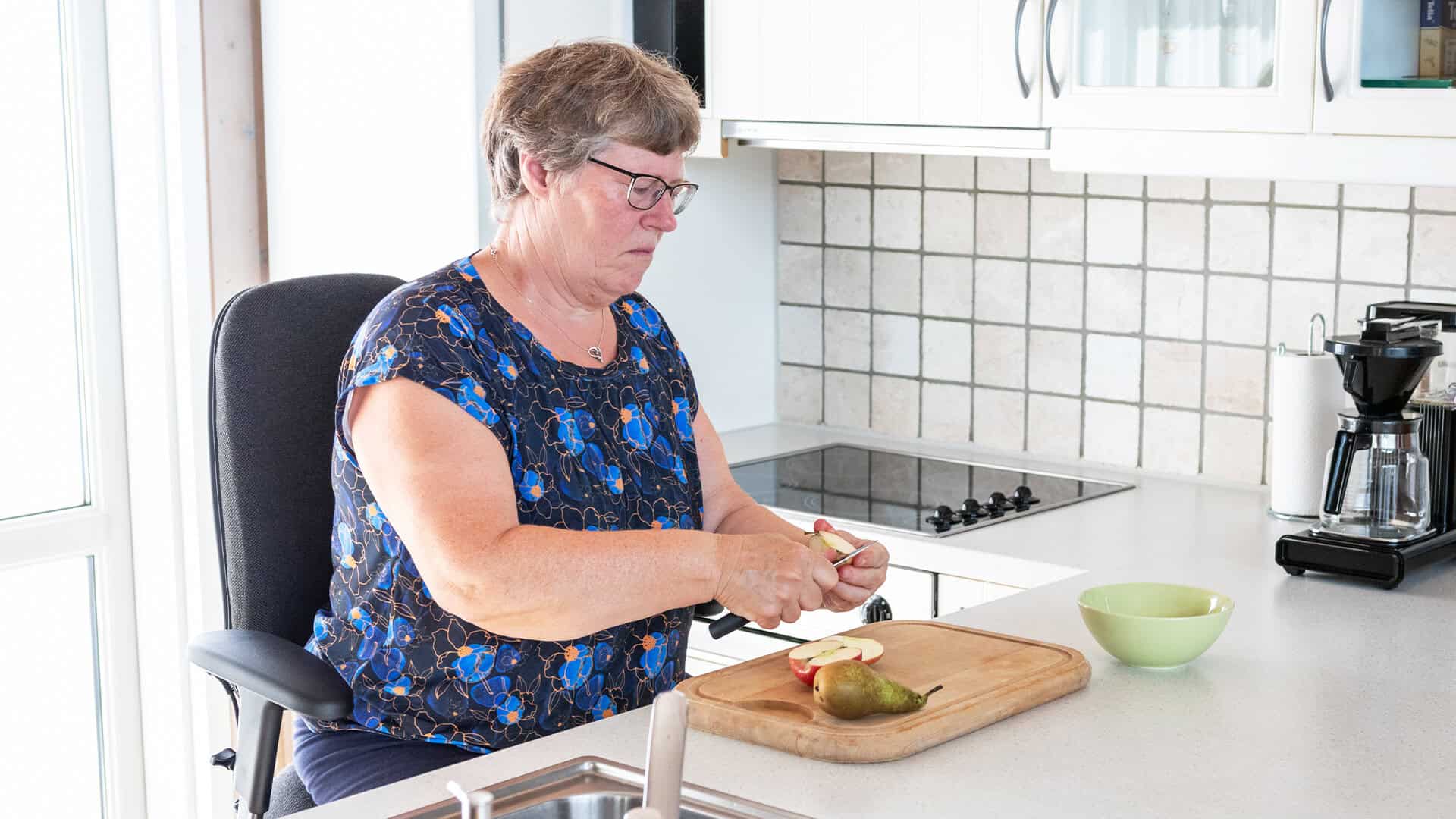
Addressing the challenges faced by nursing home residents in maintaining independence and safety is crucial. Many older adults prefer to stay independent in their own homes, where they feel most comfortable. This is where solutions such as the VELA Independence Chair can play a vital role. Designed as a medically approved mobility chair, VELA offers enhanced safety features, freedom of movement while seated, and critical support for daily activities like cooking, dressing, or transferring. By lightening the physical and emotional load on informal caregivers, VELA supports elderly individuals to remain self-sufficient in familiar environments.
Directors now draw from a wider range of technologies, such as robotics for mobility support or AI-driven voice recognition for those with dexterity challenges. Affordable and inclusive designs, many developed in international innovation hubs or supported by government initiatives, are increasingly available, making advanced safety and mobility solutions accessible to more residents. These advances require facility leaders to assess, adopt, and ensure effective staff and resident training, keeping the focus on optimal clinical and personal outcomes.[6][8]
The role of a licensed assisted living director is essential in managing the complexities of senior care, from ensuring regulatory compliance and operational efficiency to fostering environments where residents can thrive. Their leadership transforms facilities into communities where quality care is paramount.
Through a combination of education, certification, and a profound understanding of elderly needs, these directors are central to effective and compassionate care. As demographic changes continue and care demands evolve, the expertise of licensed assisted living directors will remain vital. As noted by the Texas Assisted Living Association, maintaining high certification and ethical standards ensures directors are well-equipped to meet these challenges, safeguarding both resident welfare and institutional integrity.
Supporting Aging in Place: A Practical Option
VELA Chairs offer a significant advantage for those wishing to age comfortably in their own homes. Their design specifically addresses common mobility challenges faced by seniors, such as ensuring safe movement around the house and ease of transferring, which are critical in reducing the risk of falls. Features like a central brake add safety, while electric height adjustability and ease of movement while seated conserve energy for users, making tasks like cooking and cleaning far more manageable. By extending the ability to manage these daily activities independently, VELA Chairs can delay the need for nursing home admission, preserving dignity and enhancing quality of life. Though VELA is not the only option, it stands as a proven solution assisting elderly residents in assisted living. Integrated assistive technology and inclusion of user-centric solutions further enhance these outcomes, reflecting the growing emphasis on user-device cooperation in daily living.