

Updated February 2026: We have updated the article to incorporate the latest 2026 trends in senior living, including wellness integration, AI monitoring, advances in assistive technology, and the growing role of adaptive mobility devices for seniors wishing to age in place.
Updated October 2025: We have updated the article with recent findings on innovations in AI-powered assistive devices, advances in ergonomic design, new care models such as telemedicine and Continuing Care at Home, and emerging trends regarding support for seniors aging without family.
Life Expectancy in Assisted Living: Balancing Longevity and Quality
When considering options for elderly care, many prioritize both life expectancy and quality of life. Assisted living facilities stand out by offering a balance of autonomy with necessary support. According to the National Investment Center for Seniors Housing & Care (NIC), residents in top-tier assisted living communities may gain additional days compared to those in lower-tier communities. This finding underscores the importance of choosing the right facility for oneself or a loved one.
What Determines Life Expectancy in Assisted Living Facilities?
Life expectancy in assisted living can be attributed to various factors—residents, on average, have an initial stay of 22 months according to Haven Senior Investments. Key influences include health status upon entry, the quality of the facility, and the level of community support available. For example, consider an 85-year-old woman named Margaret who has dementia. Living alone, she faced regular health risks and increased social isolation. Upon moving to an assisted living community with strong social support and quality healthcare, her well-being and longevity improved significantly. Such examples highlight the significant role facility environment plays in extending life expectancy.
Assisted Living vs. Independent Living and Nursing Homes
Choosing between assisted living, independent living, and nursing homes largely depends on health needs and personal preferences. Assisted living promotes independence while offering essential support, contrasting the more medicalized environment of nursing homes. According to Retirement Living, nursing homes typically cater to those with higher acuity care needs, evidenced by a median stay of only 6-12 months. Individuals like John, who transitioned from independent living to assisted living, often experience marked improvements in health and well-being due to the supportive environment that balances autonomy with supervision.
Innovations and Trends in Assisted Living and Senior Care
Recent developments in assistive technology are reshaping the landscape of assisted living. AI-powered mobility aids, such as smart wheelchairs and wearable health devices, are enhancing independence and safety for individuals with reduced mobility by offering features like obstacle detection and real-time health monitoring. Advances in ergonomic design also make wheelchairs and prosthetics more intuitive and comfortable for users, improving integration between technology and daily life HomeCare Magazine, 2024. These improvements support seniors in maintaining a higher quality of life within assisted living communities and at home AARP, 2024.
Further, care models are shifting toward personalized approaches like Continuing Care at Home (CCaH), which blends long-term care insurance with home-based support services. Telemedicine is now widely available, allowing seniors to access health professionals remotely, which can be especially valuable for those with mobility or transportation challenges Argentum, 2024. Regulatory changes and innovations like these aim to promote quality of care while reducing overall costs LeadingAge, 2024.
There is a growing awareness of the needs of individuals who are aging without close family support, leading to strengthened community support systems within assisted living. These trends ensure that even seniors who are “solo agers” receive comprehensive care and meaningful social connections Senior Housing News, 2024.
Enhancing Quality of Life and Planning Finances in Assisted Living
Quality of life in assisted living is pivotal. Programs such as memory care and recreational activities are proven to extend longevity, as noted in Wiley Nursing Open. However, financial considerations are necessary. The national average annual cost of assisted living is about $66,200, primarily covered through personal savings, retirement funds, or long-term care insurance (Retirement Living). It is crucial to plan ahead. A family we surveyed strategically adjusted their financial plan to ensure a parent’s seamless transition to a suitable assisted living facility, demonstrating the necessity of financial preparedness in accessing quality care.
Exploring Alternatives to Nursing Homes
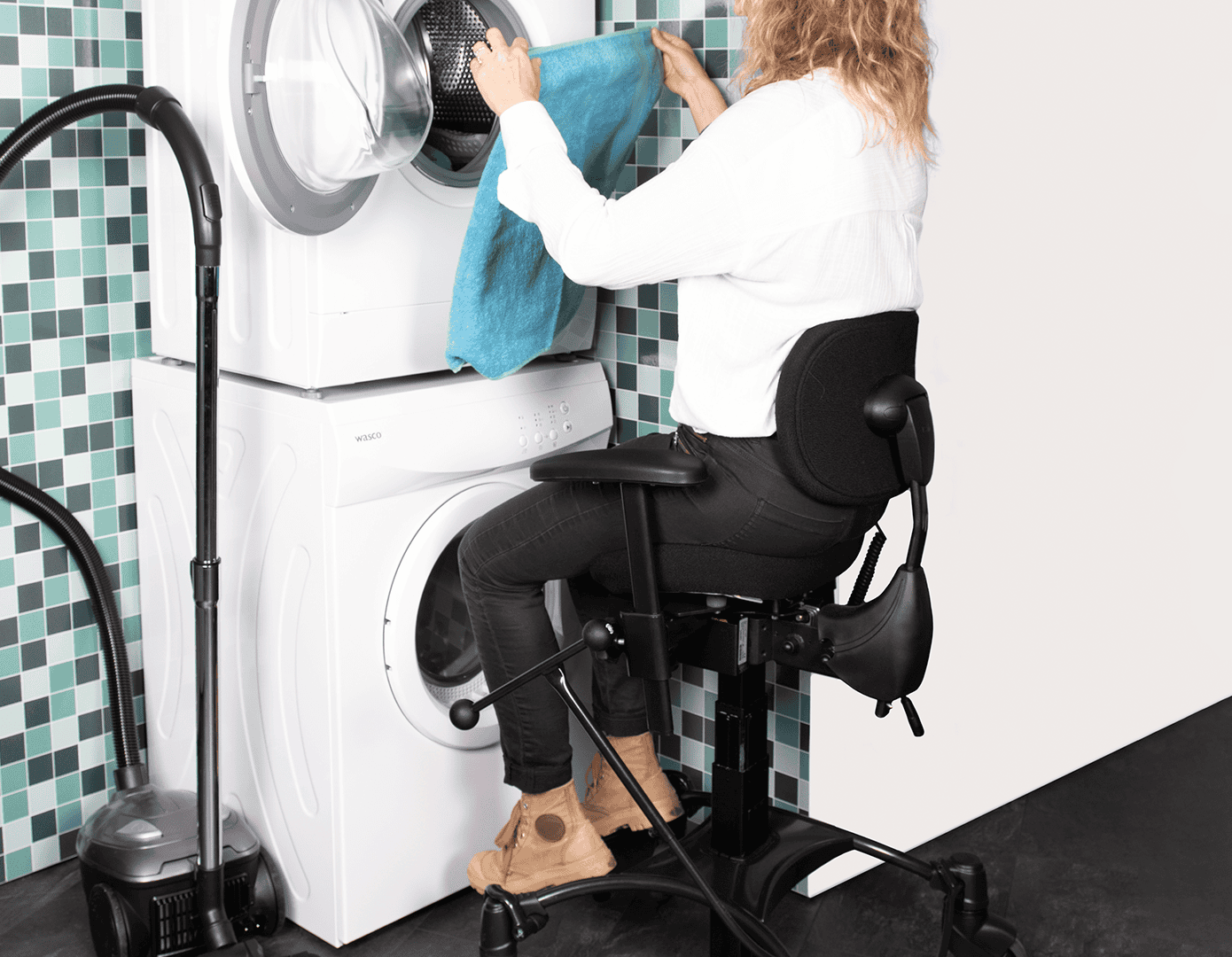
For those seeking to maintain independence at home, mobility solutions like the VELA Independence Chair offer practical support. Daily activities such as cooking or dressing become manageable due to features like electric height adjustability and a central brake for safety. By reducing common problems like fall risk, these chairs delay the need for nursing home care. Experiences with a VELA chair reflect enhanced dignity and autonomy, presenting a life enriched by labor-saving solutions. While assisting in routine tasks, the chair significantly diminishes caregiver stress, highlighting its role in preserving freedom and energy in home settings. The VELA chair represents one among many mobility aids for fall risk reduction, catering to those wishing to remain independent longer.