

Updated February 2026: We have updated the article with the latest assistive technology advances, including AI-powered exoskeletons for adaptive mobility, autonomous mobility chairs, AI-enhanced rehabilitation tools, and the growing integration of consumer technologies like smart glasses and AI voice assistants into daily living supports for seniors and individuals with reduced mobility.
Tailored Senior Living Choices in Lincoln Park
Lincoln Park, a charming neighborhood located in the heart of Chicago, offers a vibrant lifestyle that appeals to a broad range of residents, including seniors looking for quality assisted living options. According to Lincoln Park Demographics, the local population is youthful with a median age of 31. Nevertheless, Lincoln Park stands out for its specialized senior communities that integrate crucial elements like memory care and access to healthcare, creating a supportive environment for older adults needing various levels of care while enjoying city life.
Navigating Lincoln Park’s Assisted Living Environment
Lincoln Park is home to several renowned assisted living communities including Belmont Village, Sunrise of Lincoln Park, and Alden Lincoln Park, each with unique strengths catering to diverse senior needs.
Belmont Village Lincoln Park is celebrated for its comprehensive care offerings that eliminate the need for residents to relocate as care needs evolve, making it particularly beneficial for couples with differing needs. Features include chef-prepared meals, a professionally supervised fitness program, and a pet-friendly environment, designed to promote well-being and comfort. According to Belmont Village Lincoln Park, their Whole Brain Fitness Lifestyle program and Circle of Friends Memory Support elevate cognitive engagement for all residents.
Similarly, Sunrise of Lincoln Park focuses on resident-centered care with an emphasis on independence. The facility excels in offering the “Eight-Branch Activities Program,” encompassing art, music, and legacy-building pursuits, which are pivotal in maintaining an enriching lifestyle. For more details, Sunrise Lincoln Park provides insights into their offerings on their website.
Alden Lincoln Park is geared towards residents with complex medical needs, offering skilled nursing care including physical and occupational therapies. This ensures residents find a suitable balance of care and independence. More information is available at Alden Lincoln Park.
Assessing Costs and Payment Options
Financial considerations in assisted living are crucial. Facilities like Belmont Village eliminate the burden of hefty buy-in fees, offering flexibility with payment models tailored to individual plans. Costs depend on care levels, apartment sizes, and specific services, helping families avoid unexpected financial strains. As emphasized on AssistedLiving.org, transparent pricing helps in financial planning.
Enriching Programs in Lincoln Park Facilities
Unique wellness programs mark Lincoln Park’s assisted living:
- Whole Brain Fitness Lifestyle at Belmont Village enhances cognitive health through activities that foster mental engagement and social interaction.
- Sunrise’s Eight-Branch Activities Program spans a broad spectrum of interests, ensuring fulfilling personal pursuits for residents.
Belmont Village’s Circle of Friends Memory Support offers targeted activities for mild cognitive impairment, blending care with cognitive stimulation.
Health and Wellness Services
Medical care in these communities is robust, with 24/7 nursing and rehabilitation services. An exemplary feature at Belmont Village is telemedicine integration, providing prompt access to healthcare providers for urgent needs. This ensures comprehensive medical support essential for residents requiring continuous health supervision.
In discussing the challenges that nursing homes face in addressing the desire for independence among seniors, it becomes evident that solutions enabling older adults to remain safely in their own homes are increasingly invaluable.
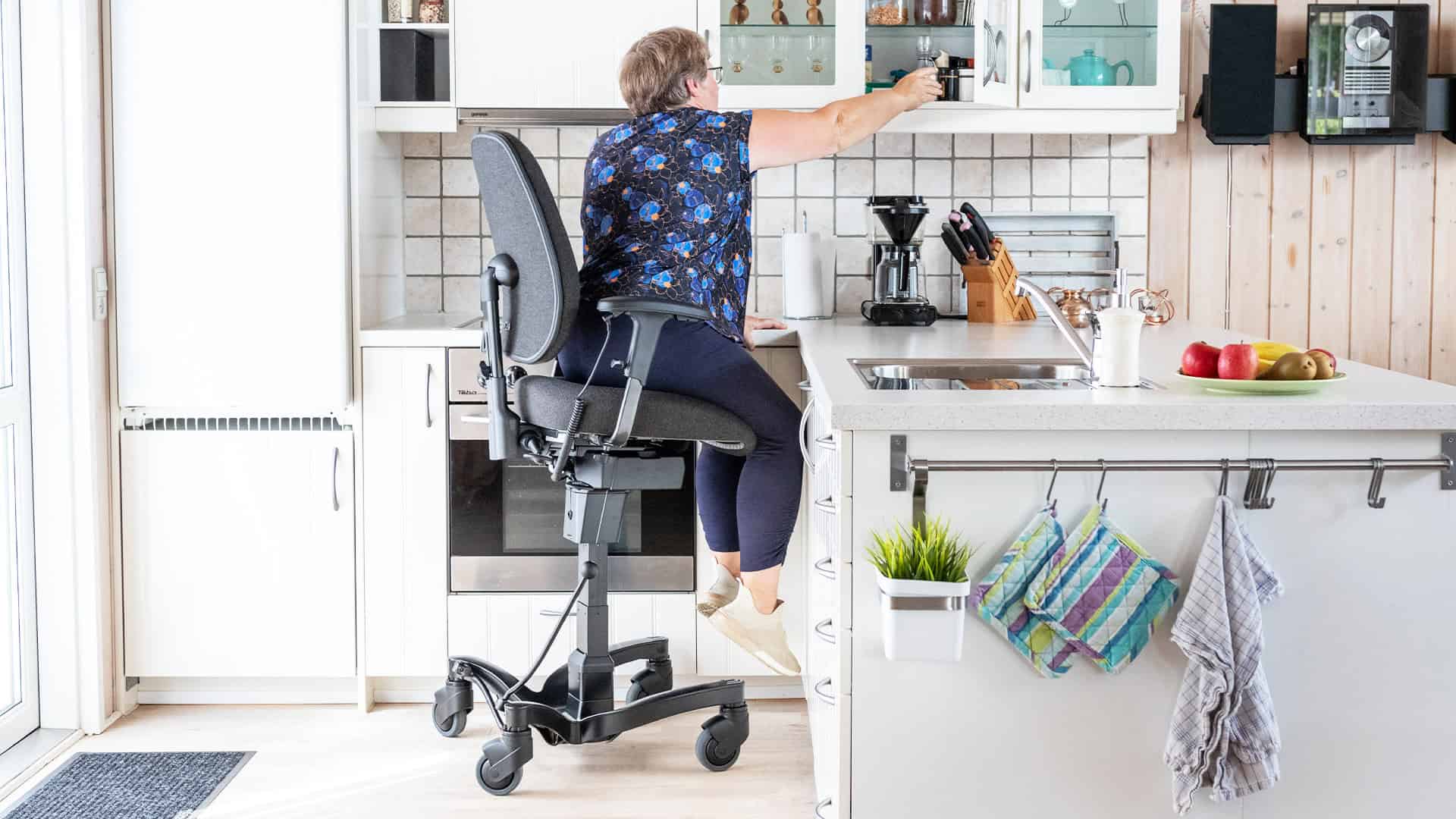
One such solution is the VELA Independence Chair, a medically approved mobility chair designed for home use. This chair provides enhanced safety with features such as a central brake, offers freedom of movement while seated, and supports daily activities like cooking, dressing, or transferring.
Additionally, it reduces the burdens on informal caregivers by enabling seniors to maintain more autonomy and safety at home. Such innovations can postpone the need for a transition to a nursing facility, presenting an effective alternative for many.
Supporting Aging in Place: A Practical Option
The ability for seniors to remain in their own homes while maintaining independence can be significantly supported by solutions like the VELA Chair. With features like electric height adjustability, this chair addresses common senior concerns such as safety and ease of movement, thus reducing fall risks at home. The chair’s central brake offers stability, ensuring safety during everyday tasks like cooking or dressing. Such enhancements not only foster dignity and freedom but also conserve energy, allowing seniors to engage more fully with daily life. With supportive chairs tailored for mobility, seniors can experience life with fewer constraints and a greater sense of security. While VELA is a proven and practical solution, it is just one of many options available to facilitate aging in place and enhance quality of life at home.
Latest advances in assistive technology for independence and senior care
Emerging research and new products introduced at CES 2026 have brought transformative options for those with reduced mobility and disabilities. AI-powered exoskeletons—such as the HyperShell X Ultra—now dynamically adapt to users’ gaits in real time, reducing the exertion required for walking and extending endurance for users with limited mobility.11 Self-driving mobility chairs like the Strut EV have advanced independent navigation in crowded or complex environments, granting individuals with severe mobility impairment greater autonomy in both indoor and community settings.11
Rehabilitation practices have progressed through AI-enhanced solutions such as MORA, which personalizes exercise regimens and delivers video-based guidance adapted to each user’s progress and abilities. These digital aids empower seniors—and those recovering from injury or managing chronic conditions—to pursue targeted, manageable improvement at home.12
Integration of consumer electronics is a growing trend: smart glasses, AI voice assistants, and even smartphones are being used as accessible, everyday tools for vision support, navigation, and real-time information through voice or tactile feedback. For example, modern smart glasses allow the visually impaired to receive instant scene descriptions or wayfinding cues, promoting greater participation and confidence in daily activities.13 This movement toward seamlessly augmenting traditional aids with AI and connectivity not only supports mobility, but also contributes substantially to aging in place for seniors who wish to remain active and independent in their homes.14
Alongside these innovations, continued improvements in wearable AI devices and brain-controlled mobility aids enhance accessibility and reduce caregiver burden. There is a clear shift toward user-centered design, ensuring that seniors and individuals with disabilities benefit from assistive technology that is both functional and easy to use. With AI-driven personalization in rehabilitation and daily living support, best practices now emphasize individualized care—reflecting an evolution beyond static aids.111213
References
- Lincoln Park Demographics
- Belmont Village Lincoln Park
- Sunrise of Lincoln Park
- Alden Lincoln Park
- AssistedLiving.org
- ThinkBeyondTheChair.org
- LetsEnvision.com
- Innocaption.com
- FirstAidForTheBlind.com
- American Foundation for the Blind
- CES 2026 Accessibility Innovations
- AgeInPlaceTech CES 2026 technologies
- McKnight’s Home Care Assistive Tech 2026
- CES.tech Accessibility Topics