

Updated January 2026: We have updated the article to reflect the latest trends in assistive technology, including AI-driven wearables, smart glasses for real-time guidance, and haptic feedback devices that promote independent mobility and safety. The article now highlights advances showcased at CES 2026, such as inclusive AR glasses, haptic wristbands, sip-and-puff systems, and integration of AI assistants for seniors in communal living. New authoritative sources on AI-powered accessibility from ATIA and CES have been added.
Making the Right Choice for Senior Living: Mayberry Gardens Assisted Living
Choosing the right assisted living facility for a loved one involves careful evaluation of the environment, services, and community benefits, all of which are critical to ensuring a positive experience. Mayberry Gardens Assisted Living, with a 9.2/10 rating from A Place for Mom, offers a reputable choice for families in Texas. For over two decades, Mayberry Gardens has been a dedicated part of the Denton community, maintaining its status as a preferred choice among seniors and their families.
Creating a Homelike Environment for Seniors
At Mayberry Gardens, residents experience a homelike atmosphere that stands out compared to traditional, institutional settings. Comprised of several separate homes, each accommodating 11-15 residents, the facility cultivates an intimate and personalized community feel. According to the facility’s information, each home includes a spacious living room, a central kitchen, and dining areas where residents can partake in communal, home-cooked meals. A regular day might involve engaging activities like gardening or crafting, which contribute to residents’ sense of belonging and purpose. This small-scale, home-style model has been recognized by recent accessibility research as effective in promoting social connection and personalized care, while supporting the integration of new assistive technology solutions for resident monitoring and engagement (Accessibility Research Centers, 2025). Recent developments show these homes now increasingly adopt ergonomic, user-centered designs—with active collaboration from residents—for more intuitive use of assistive devices and daily living products (American Foundation for the Blind, 2025). The latest trends for 2026 also see adoption of smart assistive devices, such as AI-powered wearables and augmented reality (AR) glasses, that provide real-time scene descriptions or navigation, further enhancing independence and community participation (CES.tech, 2026).
Comprehensive Care Services at Mayberry Gardens
Mayberry Gardens adopts an all-inclusive care package to provide financial transparency and stability for long-term care budgeting. With this pricing model, there’s assurance for families regarding costs, avoiding unexpected expenses for additional services. As outlined by Mayberry Gardens Denton, services encompass 24-hour watchcare, medication assistance, and daily aid with activities like bathing and dressing, along with organized social events. A family member of one resident shared that their loved one’s quality of life notably improved due to the personalized attention and care received, highlighting Mayberry Gardens’ commitment to enhancing daily living.
In line with 2025 regulatory updates, Mayberry Gardens now implements advanced infection control protocols, expanded mental health support, and incorporates assistive technology to promote autonomy and safety. Continuous health and fall detection monitoring is achieved through the use of wearable sensors integrated with personalized care plans, reducing risks while supporting residents’ independence (Centers for Medicare & Medicaid Services, 2025; PubMed, 2025). The facility is adopting AI-integrated assistive technologies, such as smart glasses and context-aware AI assistants, enabling residents to access real-time information and support for tasks of daily living, navigation, or emergency response (LetsEnvision, 2025; First Aid for the Blind, 2025). Updates for 2026 reflect the implementation of AI-driven wearables, such as haptic wristbands and smart glasses like the Meta Ray-Ban Live AI, which provide scene descriptions, navigation guidance, and haptic feedback, lowering staff dependency and increasing resident autonomy (ATIA, 2026; CES.tech, 2026). Rehabilitation programs increasingly include immersive VR and AR experiences for safer, more engaging cognitive and physical training, tailored to individual needs (American Foundation for the Blind, 2025). Devices like sip-and-puff wheelchairs and text-to-speech solutions are also being embraced to enable greater independence for residents with complex physical needs (CES 2026 Accessibility Highlights, 2026).
Location-Specific Benefits and Community Integration
Each Mayberry Gardens location across Texas offers unique community benefits. The Grand Prairie Location features walking paths and a beauty salon, adding to its appeal for those seeking specific amenities. Anecdotal accounts from residents demonstrate satisfaction with the proximity to family within the Denton area, achieving an ideal balance of comfort and accessibility. These narratives highlight the facility’s strong ties with local communities, where residents actively participate in events and maintain robust communal connections. Recent resident and family surveys show support for technology enhancements that strengthen communication and safety while upholding the essential homelike environment (Accessibility Research Centers, 2025). These enhancements now increasingly include wearable devices for real-time assistance and AI-powered communication aids that facilitate interaction with caregivers and relatives (Innocaption, 2025). In 2026, there is also greater personalization of technology supports, incorporating resident feedback to tailor device and platform use, and the adoption of inclusive tech tools showcased at CES, such as AR glasses and compact text-to-speech devices, further improving accessibility within the community setting (CES.tech, 2026; CES 2026 Accessibility Highlights, 2026).
Enhancing Independence with Mobility Solutions
While some older adults transition into assisted living communities due to the challenges associated with aging at home, there are solutions that support greater independence, allowing seniors to stay in a familiar environment longer. Recent advancements in AI-powered mobility aids, such as smart walkers and wheelchairs, offer adaptive support by analyzing sensor data for improved safety and individual mobility. Wearable health and fall detection systems are now integrated with personalized care, allowing for timely intervention and reducing caregiver burden (PubMed, 2025). Wearables and haptic navigation aids, including smart glasses, provide real-time orientation, navigation, and access to information, significantly improving independence and environmental awareness for seniors and visually impaired residents (First Aid for the Blind, 2025; LetsEnvision, 2025). New for 2026, AI-driven devices such as the soon-to-arrive Glide with haptic obstacle detection, and inclusive rehabilitation systems like sip-and-puff input, are making navigation and daily self-sufficiency more accessible for individuals with mobility challenges, as presented at CES 2026 (CES.tech, 2026; CES 2026 Accessibility Highlights, 2026).
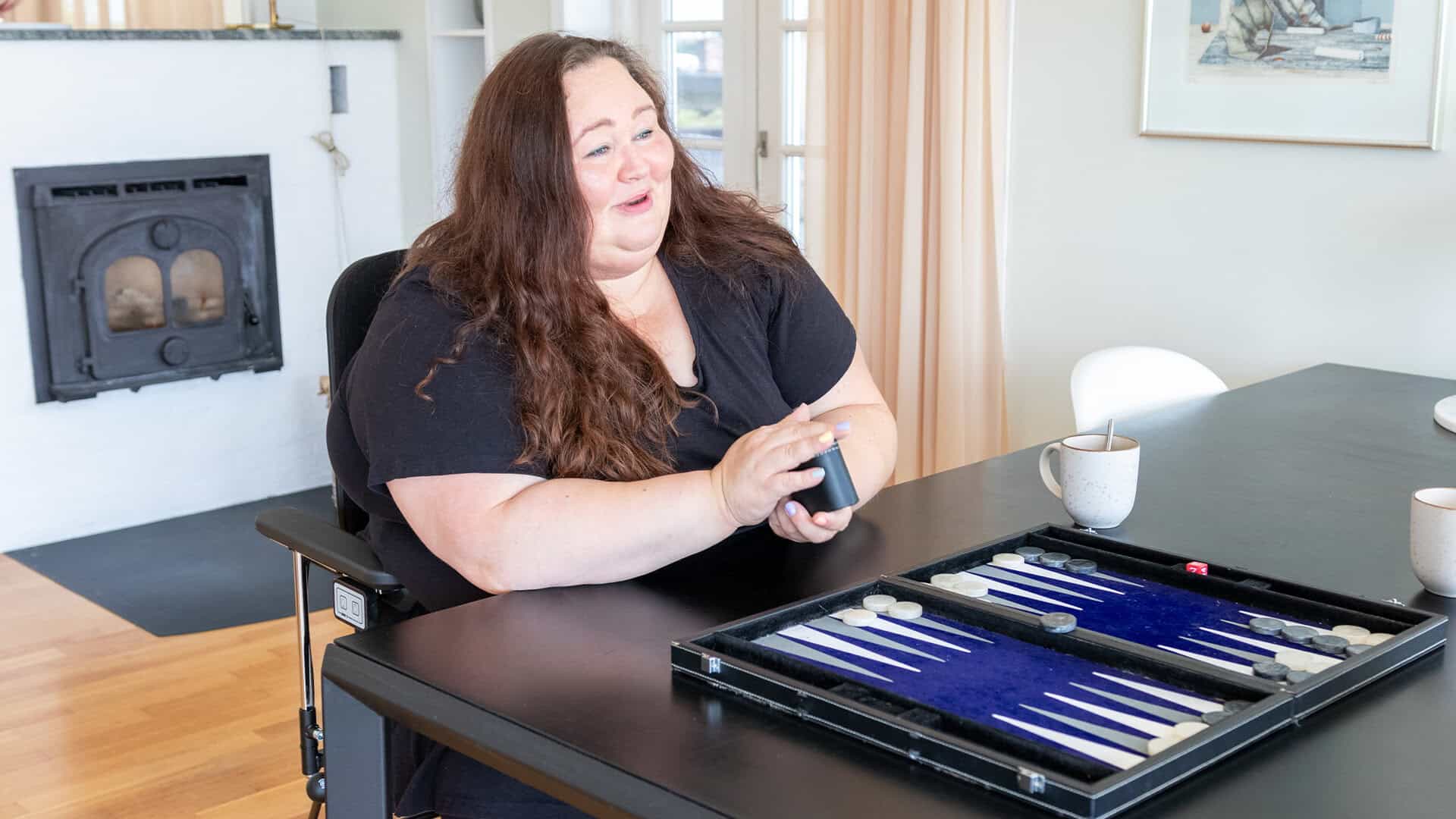
One such solution is the VELA Independence Chair, a medically approved mobility chair designed for home use. VELA chairs enhance safety and freedom of movement while seated, supporting daily activities like cooking, dressing, or transferring, thereby reducing the burden on informal caregivers. This tool empowers older adults to remain active and involved in their daily routine while maintaining their autonomy. The inclusion of ergonomic furniture and adaptive environmental controls further reduces strain and boosts comfort for residents (Harvard Medical School, 2025). Increasingly, these solutions are being designed with input from people with disabilities to promote intuitive, inclusive use (American Foundation for the Blind, 2025).
Mayberry Gardens Assisted Living offers a compelling option for those seeking an environment resembling home. The facility is known for its strong regulatory compliance, as evidenced by perfect state inspections, and high ratings on trusted platforms, reflecting its dedication to quality and person-centered care. Its residential model, combined with all-inclusive pricing and specialized memory care, variously caters to residents’ needs while assuring families of financial transparency. Prospective families should assess personal care requirements and financial plans, but Mayberry Gardens’ strengths merit its consideration as a distinguished assisted living choice. Families are encouraged to review the authoritative recommendations to understand the transformative impact of assisted living, with Mayberry Gardens positioned as one of the leaders in senior living solutions. Modern rehabilitation practices such as virtual reality-based therapies and gamified activities are increasingly used to promote engagement and improve physical outcomes among residents (Harvard Medical School, 2025; American Foundation for the Blind, 2025). In 2026, these are further complemented by AI-powered accessibility aids and personalized adaptive technology, aligning with the latest best practices highlighted by the Assistive Technology Industry Association (ATIA, 2026).
Sources
- PubMed, 2025 studies on AI-powered assistive technologies for senior mobility and health monitoring.
- Harvard Medical School’s 2025 overview on VR and gamification in rehabilitation for older adults.
- Centers for Medicare & Medicaid Services (CMS) 2025 updates on assisted living regulatory guidance.
- WHO and U.S. CDC 2025 recommendations and updates on infection control in senior care facilities.
- Reports from the National Institute on Disability, Independent Living, and Rehabilitation Research (NIDILRR) on trends in inclusive product development.
- Accessibility Research Centers’ 2025 white papers on technology adoption and resident-centered design in assisted living.
- State of Texas Health and Human Services Commission 2025 regulations for assisted living facilities.
- LetsEnvision: “What’s Next for 2025: The Future of Assistive Technology & AI Assistants,” 2025.
- Innocaption: “Top 5 Assistive Technologies Showcased at CSUN 2025,” 2025.
- First Aid for the Blind: “Assistive Technology Roundup: August 2025 Update,” 2025.
- American Foundation for the Blind: 2025 Special Issue on Advancements and Innovations in Technology, Journal of Visual Impairment & Blindness.
- Lumibility: World Assistive Technology (AT) Day 2025 Highlights and Access Advocacy, 2025.
- Assistive Technology Industry Association (ATIA) – Industry hub for AT developments, education, and conferences post-2025.
- CES.tech Accessibility Section – Covers AI assistants, smart home devices, and micromobility for senior accessibility, 2026.
- CES 2026 Accessibility Highlights (Double Tap Podcast) – Discusses haptic wearables, AR glasses, and inclusive tech from January 2026 CES.