

Updated January 2026: We have updated the article with the latest findings on AI integration in mobility aids, enhanced voice-activated and IoT-connected assistive devices, real-time health wearables with predictive monitoring, cost-saving trends from telehealth-enabled equipment, and recent regulatory changes supporting expanded home-based and digital senior care.
Discovering Assisted Living Opportunities in Maywood, Illinois
Maywood, Illinois, offers unique opportunities for seniors seeking a supportive yet independent lifestyle. Nestled in Cook County, Maywood’s array of assisted living options makes it an attractive location for those over 50, who make up 32.9% of the population, according to SeniorAdvice.
Maywood’s Senior Demographic: A Diverse and Growing Community
Maywood supports a rich blend of cultural and age diversity, catering to the specific needs of its senior residents. With significant racial diversity, including 57.89% identifying as Black or African American and 13.33% as White (DataUSA), the demographic landscape influences assisted living needs. Economic factors such as an average household income of $82,701 and a poverty rate of 15.25% are critical in shaping senior care offerings, guiding both service providers and families in their choices.
Navigating Assisted Living Choices in Maywood
Despite having only a few dedicated facilities, Maywood provides quality options such as Maywood Supportive Living. Described by its provider as an “affordable assisted lifestyle community” with comprehensive amenities, it stands as a significant resource for local seniors (Maywood Supportive Living). Residents can also explore 19 additional facilities nearby, catering to varying needs and preferences. Take Mary, a Maywood resident who transitioned to supportive living, valuing the structured activities tailored to her cultural background and the social connections she nurtured.
Enhancing Independence with Technology and Mobility Solutions in Assisted Living
Recent innovations in assistive technology further empower seniors to live independently and safely, whether in assisted living or at home. Advancements since 2025 highlight AI-integrated smart wheelchairs and walkers that now include sensors for obstacle detection, automatic speed adjustments, and proactive fall prevention. Many of these mobility aids are now equipped with voice-activated controls and smartphone connectivity, enabling hands-free operation and real-time adjustments for users with limited dexterity (source 1, KeyWayMedical.com, AARP).
New smart bathroom safety devices, such as pressure-sensing grab bars and app-integrated shower seats, now provide additional safety and support. Wearables offer continuous real-time health monitoring—tracking heart rate, blood oxygen, glucose, and providing predictive AI-based alerts for health risks. Telehealth-enabled durable medical equipment (DME) connects seniors to providers, reducing hospital visits and improving outcomes (University of Florida Online Aging, Medtronic).
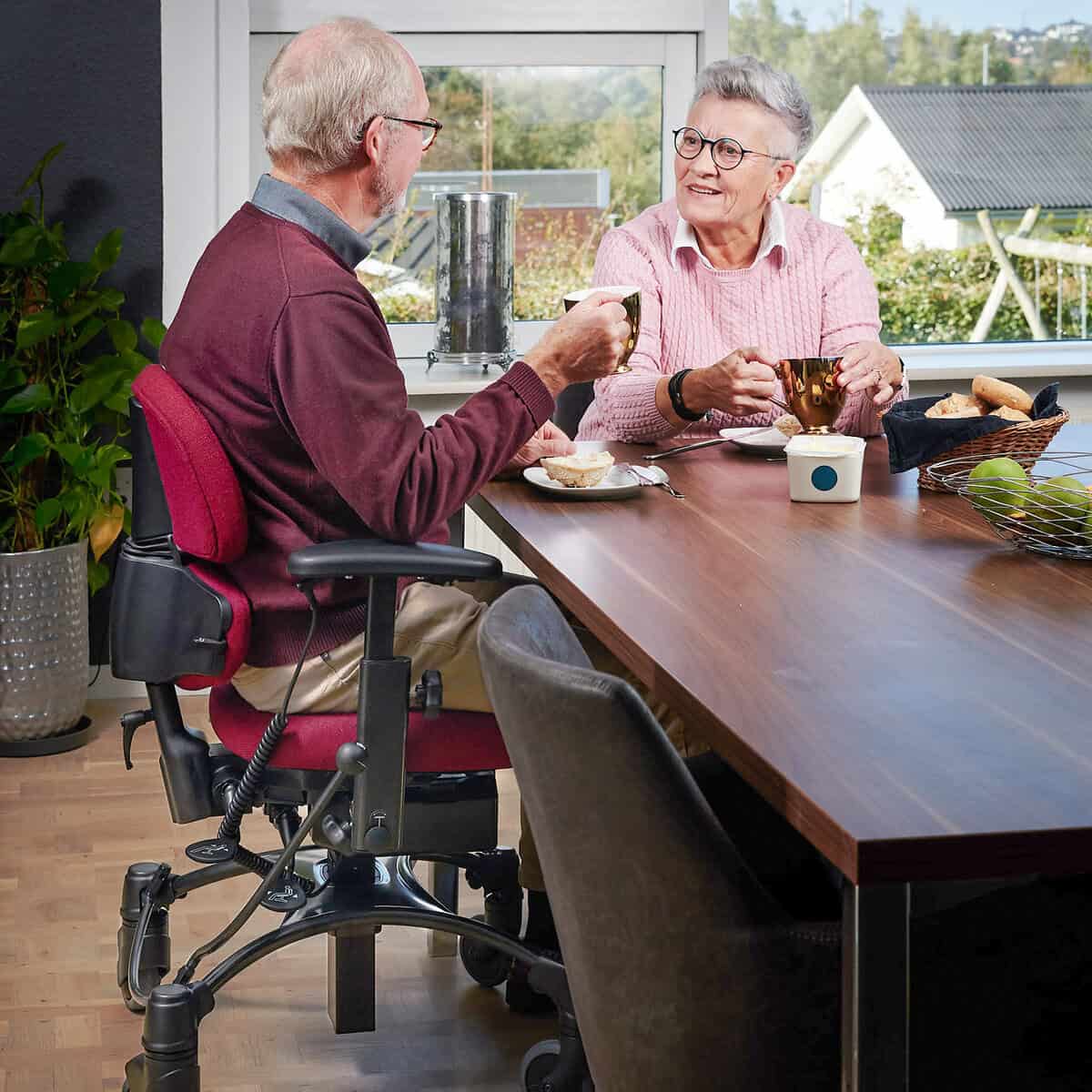
Mobility solutions remain crucial. The VELA medically approved mobility chair exemplifies ergonomic aids supporting daily activities such as cooking, dressing, and transferring, thus reducing fall risks and easing the burden on caregivers. Intelligent assistive walking devices, AI-driven accessibility tools, and e-bikes enhance both comfort and independence, with many products now offering integration with home automation and health data (source 2, source 5, EqualAccessibility.co).
Integration of Digital Tools and Smart Systems
Smart home automation with voice recognition, adaptive interfaces, and motion sensors has become increasingly prevalent for seniors in Maywood. Seniors now benefit from IoT ecosystems that seamlessly link mobility aids, safety devices, and personal health wearables, so they can monitor their environment and vital signs in real time. Voice-activated and app-connected controls help users with limited mobility manage their care and environment more easily (source 1, HeisingerBluffs.com, AARP).
Non-intrusive monitoring tools now include ambient AI-powered fall detection, sharable controls between users and devices, and medication adherence systems using advanced sensor technology (AgeInPlaceTech.com). Robotics and AI-enabled cognitive health tools offer interactive and personalized therapies for residents with dementia or anxiety. Senior living communities increasingly provide digital wellness programs, tech concierge services, and personalized care platforms integrated with smart home technology (JuniperCommunities.com). Ergonomic and inclusive design innovations now focus not only on comfort but also on emotional, cognitive, and social well-being, fostering a supportive environment for all residents. AI coaching tools also support exercise, medication schedules, and mood tracking, promoting healthier, more independent living (Medtronic).
Future Outlook: Expanding Senior Care Options in Maywood
The evolving demographics in Maywood indicate a rising demand for affordable, culturally diverse senior care options. With a median household income of $66,498, affordability is a primary concern for many families. According to the World Population Review, this demand underscores the necessity for expanded, culturally sensitive supportive living services, reflecting Maywood’s rich community mosaic.
Recent regulatory initiatives now include expanded federal telehealth coverage through January 2026, which supports greater access to home-based and virtual senior care. Smart DME and voice-controlled devices are eligible for reimbursement in many programs, encouraging their uptake and lowering costs for users over time (AgeInPlaceTech, University of Florida Online Aging). Increased adoption of AI-powered mobility aids and cost-reducing trends, such as compact and foldable smart devices, further help make long-term independent living sustainable for a broader range of seniors (source 1, source 2, JuniperCommunities.com).
Tailored Solutions for Maywood’s Senior Care Community
Maywood is characterized by a distinct landscape for assisted living, with diversity and socioeconomic factors shaping senior care solutions. While the village has limited dedicated facilities, Cook County offers an abundance of resources. As families explore these opportunities, considerations such as affordability and cultural fit become paramount. Moreover, advanced mobility solutions like VELA chairs and intelligent assistive devices are pivotal in enhancing the quality of life for seniors, helping them maintain independence. Digital resources and connected care platforms empower seniors and their families to make informed decisions, ensuring needs and lifestyle preferences are met effectively (SeniorLiving.org).
How Mobility and Smart Solutions like VELA Make a Difference
Mobility solutions like the VELA Chair, together with digital and ergonomic innovations, can make a significant difference for those wishing to age in place. These chairs offer safety features such as a central brake and electric height adjustability, supporting daily activities with greater independence. Advanced devices, exoskeletons, AI-powered smart wheelchairs, and wearables now further promote user experience and comfort, while ambient monitoring systems allow both users and caregivers to feel confident in their safety and well-being. This emphasis on dignity, convenience, and connected care can significantly delay transition to a nursing home, supporting a lifestyle where aging gracefully and independently at home remains viable and sustainable (source 1, source 5, AbilityMT.org, AARP).
References:
- Cyces.co, AgeTech Trends 2025: AI, Robotics & the Future of Aging
- Channel Point Village, How Assistive Technologies are Shaping Senior Care in 2025
- MyCareConcierge.org, How Technology Will Transform Senior Care in 2025
- Number Analytics, Empowering Seniors with Assistive Tech
- TheGoodLifeSV.com, 2025 AgeTech Showcases the Latest Technology for Seniors
- AskSAMIE.com, Innovative Assistive Technology for Seniors in 2025
- SeniorsBlueBook.com, A Guide to Useful Technology for Older Adults in 2025
- KeyWayMedical.com, AI-powered Mobility Solutions for the Elderly (2025)
- HeisingerBluffs.com, The Future of Senior Living (2025)
- PMC (PubMed Central), User-Technology Integration in Mobility Aids 2025
- JuniperCommunities.com, Personalized and Assisted Living Wellness Strategies 2025
- EqualAccessibility.co, 2025 Assistive Technology Empowering Independence
- AgeInPlaceTech.com, 2025 Market Overview: Smart Sensing and Fall Detection
- AbilityMT.org, Smart Mobility System Integration for Seniors (2025)
- AARP Video: 3 Tech Trends That Will Shape How You Age (CES 2026 highlights from AgeTech Collaborative)
- Medtronic: 6 Healthcare Tech Trends for 2026 (AI diagnostics and predictive care)
- University of Florida Online Aging: Assistive Technology Devices for Aging in Place (health monitoring and emergency response)
- AgeInPlaceTech: AI and Older Adults — What’s Now and Next in 2026 (AI adoption in care)