

Updated September 2025: We have updated the article with the latest developments in assistive technologies, including AI-powered mobility aids, wearable sensor integration for fall prevention, innovations in ergonomic and customizable living design, updates on rehabilitation and tele-rehabilitation protocols, and revised Washington State regulations encouraging technology adoption and staff training in assisted living.
A Comprehensive Overview of Mercer Island Assisted Living Options
Mercer Island, known for its serene environment and community-centric lifestyle, stands out as a favored choice for senior living. With an estimated 43.8% of its residents being seniors, there’s a remarkable emphasis on providing quality assisted living options. This statistic reflects the community’s dedication to senior care. According to SeniorLiving.org, the average monthly cost for assisted living on Mercer Island is approximately $5,212, indicating the premium nature of the services offered.
Understanding Assisted Living Options on Mercer Island
Assisted living facilities on Mercer Island skillfully blend autonomy with essential support. These establishments cater to a wide range of needs, offering assistance for issues like mobility limitations and chronic illnesses such as heart disease, diabetes, and arthritis. Many seniors appreciate this model, which respects their independence while providing ready access to community care.
Recent trends have seen Mercer Island facilities adopting advanced assistive technologies such as AI-powered mobility aids — including smart walkers and wheelchairs equipped with obstacle detection and personalized navigation features. Facilities increasingly offer wearable sensors to track gait, balance, and vital signs, enabling proactive intervention in rehabilitation and fall prevention. Additionally, smart home systems with voice control capabilities have become more prevalent, improving accessibility for a broad spectrum of residents and supporting their autonomy.
Consider a typical scenario: An independent senior, once self-reliant, finds mobility challenges emerging, necessitating a transition to assisted care. With all facilities adhering to Washington State regulations outlined by the DSHS, families are reassured by the strict compliance with training and safety standards aiming to uphold high-quality care and resident rights. Recent regulatory updates now encourage the use of certified assistive technologies and mandate ongoing staff training focused on inclusivity and data privacy for any wearable device monitoring in senior care. (Washington State Department of Health, 2025)
Top-Rated Facilities and Resident Experiences
Mercer Island is home to standout facilities such as Aljoya Mercer Island and Island House, renowned for their premium amenities, dedicated care models, and high resident satisfaction. Aljoya Mercer Island presents an upscale lifestyle enriched by local culture and exceptional care services. Meanwhile, Island House focuses on a welcoming, community-centered environment, complete with modern amenities and varied programs.
Testimonials from residents frequently highlight life-enhancing experiences, like a resident at Aljoya Mercer Island rediscovering communal connections and receiving personalized support. Facilities are recognized for integrating the latest assistive technologies and ergonomic improvements, such as customizable furniture to support individual ergonomic needs and living environments designed around universal design principles. User feedback emphasizes the importance of ease of use and emotional support features in these advanced assistive devices. Reviews from Caring.com further underscore these sentiments, especially praising the conscientious staff and comprehensive activity schedules that foster health and happiness.
Sources: (PubMed, 2025), (Mayo Clinic, July 2025)
Financial Planning for Assisted Living in Mercer Island
For many families, understanding the financial nuances of assisted living is critical. Mercer Island’s living costs, while reflecting a higher standard of living, often exceed the national average. For instance, memory care typically averages around $5,261 per month, with nursing homes (private room) costing about $6,920 monthly.
Families should delve into these expenses and explore financial assistance avenues, which could include insurance benefits and state programs designed to alleviate financial pressures. According to SeniorLiving.org, a thorough cost analysis can help anticipate these expenses and facilitate prudent planning, ensuring that seniors enjoy their retirement years with financial peace of mind.
Enhancing Independence and Safety in Assisted Living
Emphasizing safety and independence is paramount in senior care. Facility environments increasingly prioritize ergonomic and inclusive design, featuring adaptive furniture and living spaces that can be tailored to each resident’s physical or cognitive needs. Practical solutions, such as advanced mobility aids — now often with AI-driven obstacle detection — and fall prevention strategies using remote monitoring sensors, are being integrated into facilities. These approaches serve to ensure safety and significantly enhance a resident’s quality of life. Technology-enhanced physical and cognitive therapy, along with wider use of tele-rehabilitation platforms, are now recommended to support both mobility and mental well-being. (WHO, 2025), (Harvard, 2025)
Exploring Alternatives to Nursing Homes
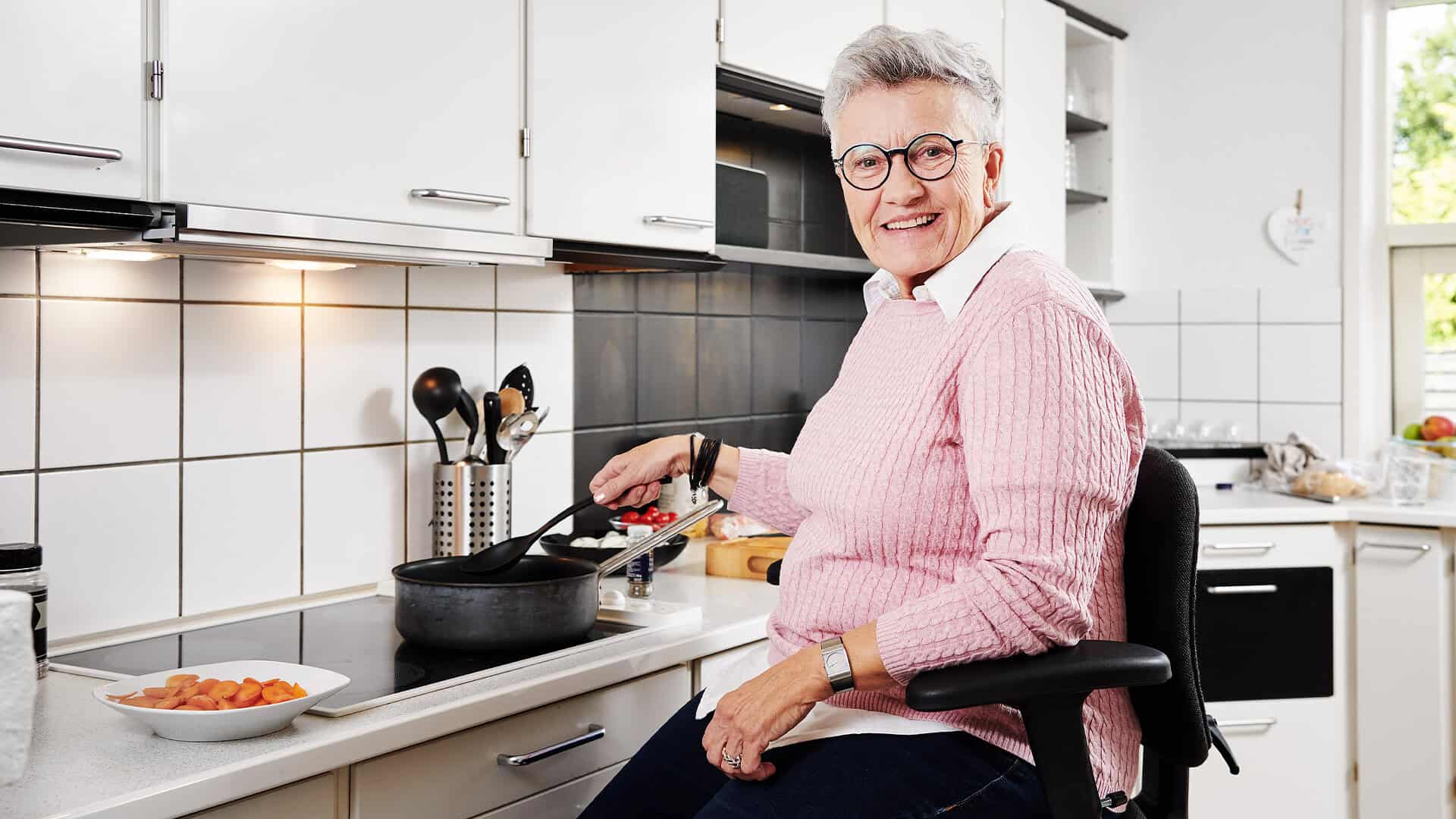
Staying independent at home with supportive solutions like mobility solutions for elderly seniors can be a gratifying alternative to nursing homes. The VELA Chair stands out with features like a central brake for optimal safety, electric height adjustability for ease, and smooth movement mechanisms making daily tasks simpler. Such solutions can delay the need for a transition to more structured environments by allowing elderly individuals to manage everyday activities like cooking, cleaning, and relaxing with dignity and reduced fatigue. While VELA is not the sole option, its practicality and proven benefits make it a valuable consideration for those seeking to maintain independence longer in their own homes, promoting safety and comfort in their daily lives.