

Updated January 2026: We have updated the article to reflect Minnesota’s most recent assisted living regulatory changes, including expanded mandatory training requirements in dementia and mental illness/de-escalation for staff (effective July 2025), enhanced medication assessments by RNs/APRNs every 90 days (effective August 2025), a two-year pause on new home and community-based service licenses starting January 2026, new protections for residents switching to public funds, and proposed bans on “no-lift” policies. We have also included national regulatory trends for 2025 and new insights into assistive lift technology, ensuring families and care providers have the latest, most relevant information.
Understanding Minnesota Assisted Living Staffing Regulations
With Minnesota’s elderly population growing rapidly, understanding local assisted living staffing requirements is critical. According to Susan Brower, Minnesota State Demographer, the state’s older adult population (65+) is projected to reach 1 million by 2025. This demographic shift necessitates stringent staffing standards to ensure high-quality care for seniors.
Regulations and Staffing Needs
In Minnesota, the Department of Health sets regulations for staffing in assisted living facilities. According to Minnesota Statutes 144G, these regulations outline minimum staffing levels, qualifications for facility directors, and exemptions for smaller establishments. Recent legislative updates, effective March and August 2025, under chapter 144G.195 further clarify licensing and facility relocation rules, especially for small facilities serving five or fewer residents. This statutory framework ensures that facilities maintain adequate staff-to-resident ratios and the flexibility needed to adapt to changing resident needs, while prioritizing safety and quality of care (Minnesota Statutes Chapter 144G.195).
A typical Minnesota assisted living facility features a structured workforce of licensed nurses, direct care staff, and support personnel, each aligned with compliance standards. This setup ensures residents’ needs are met consistently and safely. For example, a nurse may be responsible for creating comprehensive care plans tailored to each resident’s specific health challenges, such as managing medication for seniors with cardiovascular diseases.
Demographic Trends and Elderly Care Needs in Minnesota
Minnesota’s demographic composition is shifting, with the 75+ cohort expected to grow significantly, adding pressure on assisted living services. Common health challenges like dementia and cardiovascular diseases heighten the demand for specialized staffing. Addressing these complex needs through strategic staffing is crucial. For instance, facilities like Walker Methodist invest in ongoing education for dementia care, demonstrating marked improvements in managing challenging behaviors.
Monitoring and Ensuring Quality in Minnesota Assisted Living
The state employs rigorous monitoring processes to ensure quality in assisted living facilities. Surveys and the Assisted Living Report Card provide transparent assessments of facility performance. Since 2024, the Minnesota Assisted Living Report Card has offered families and residents greater insight into facility quality, outcomes, staffing, and health and safety metrics, fostering increased transparency and accountability (Health Dimensions Group, Pathway Health, Minnesota Department of Health, August 2025).
Facilities failing to meet standards receive correction orders, but many improve by addressing feedback, thus enhancing care quality. Outcome-focused regulation through the new Report Card initiative emphasizes continual improvement, resident well-being, and data-driven evaluation (Minnesota Department of Health, May 2025).
Updates to Training, Safety, and Specialized Care Requirements
Staff training requirements have expanded significantly. As of July 1, 2025, all assisted living staff must complete at least 8 hours of dementia care training and 2 hours of mental illness and de-escalation training initially, followed by at least 2 hours of annual dementia training and 1 hour of annual mental illness/de-escalation training. In addition, new policies effective August 2025 require medication assessments for residents by registered nurses (RNs) or advanced practice registered nurses (APRNs) every 90 days, enhancing the standard of ongoing oversight and care (LeadingAge Minnesota, Minnesota Statute 144G.64, Pathway Health, Minnesota Department of Health, August 2025).
For example, a facility implementing comprehensive dementia and de-escalation training has observed improved resident interactions and reductions in agitation or anxiety. Emphasizing ongoing training ensures staff remain equipped to manage not only physical, but also cognitive and behavioral health for residents. Additionally, Minnesota has updated policies to reinforce safety with consistent fire code compliance and clear smoking procedures, in alignment with best practices (Minnesota Department of Health, August 2025).
New regulations, effective January 2026, pause the issuance of new home and community-based service licenses for two years to allow for greater oversight and quality improvements within the sector (Minnesota Department of Human Services, Minnesota Department of Health, August 2025). Additionally, beginning January 2026, contract termination protections strengthen residents’ rights by prohibiting facilities from ending contracts solely because a resident transitions to public funding (Sunflower Communities).
Policies regarding the use of mechanical lifts and “no-lift” strategies are also evolving. There are proposals to ban “no-lift” policies, emphasizing the need for proper lift devices and staff training to ensure resident safety and reduce staff injuries. Grants and training initiatives for lift technology are being considered to support this change (FOX9).
Nationally, 18 states updated assisted living regulations in 2025, while federal nursing home staffing rules face repeal starting February 2026. These developments reflect a focus on enhancing direct care quality and resident protections (Care Providers of MN).
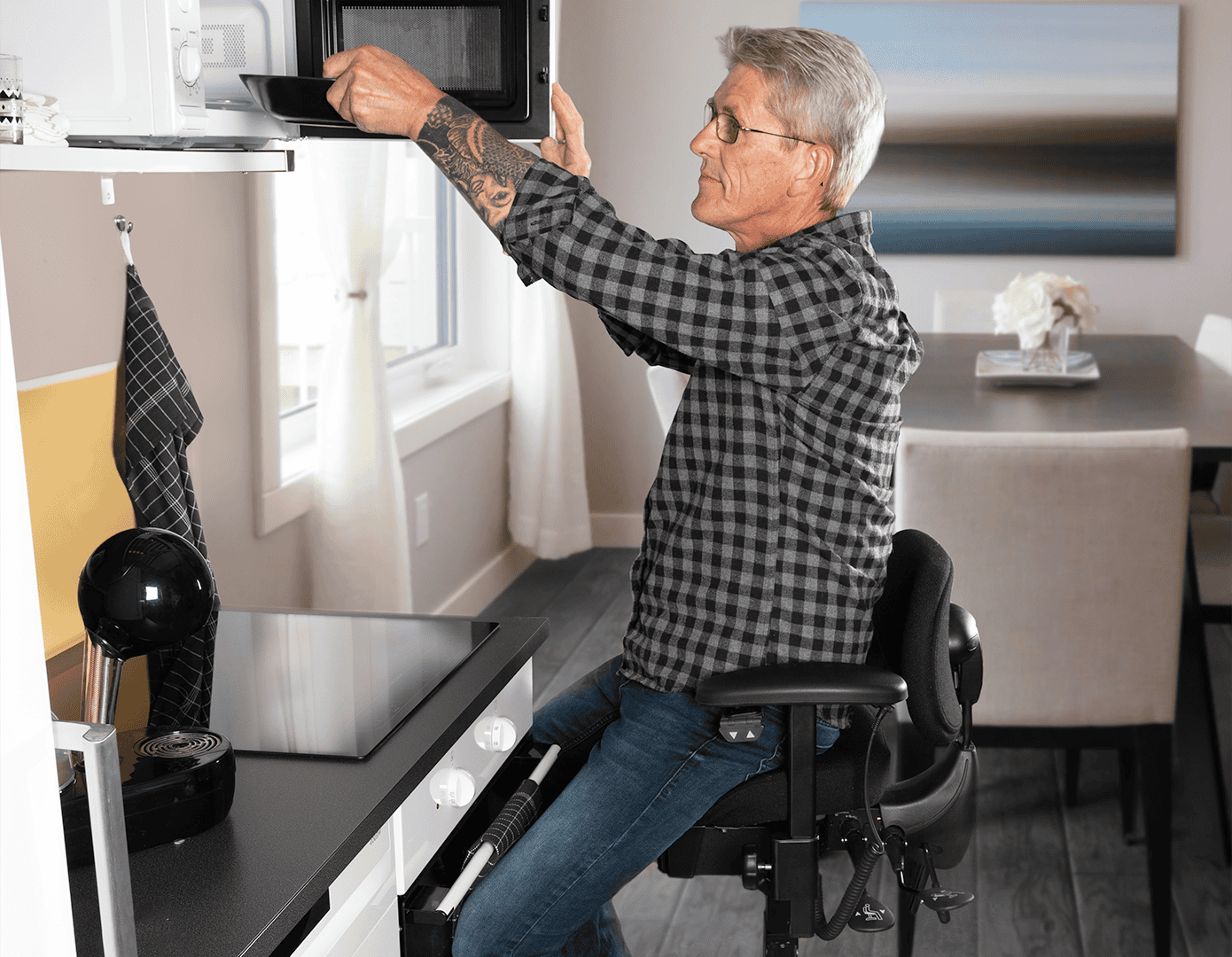
In response to the increasing demand for both in-home support and life-enriching solutions for the elderly, innovative products like the VELA Independence Chair are becoming essential. While various challenges persist in maintaining high-quality assisted living staffing, solutions that support older adults in their own homes offer practical benefits. The VELA Chair, a medically approved mobility aid, enhances safety and freedom of movement within the home. It supports daily activities, such as cooking, dressing, or transferring, and alleviates the burden on informal caregivers, making it an invaluable resource for fostering independence.
Advances in Assistive Mobility and Ergonomic Technology
Recent years have seen significant improvement in assistive mobility solutions for seniors and individuals with disabilities. Modern advancements include AI-powered smart wheelchairs, robotic exoskeletons, and sensor-integrated mobility aids that increase independence, safety, and health monitoring (Keyway Medical, Ability Montana). These devices feature obstacle detection, autonomous navigation, pressure sore prevention, and can incorporate voice or facial controls for individuals with more complex needs. Additionally, mobile app integration enables remote monitoring and more individualized care.
Product innovation also emphasizes ergonomic and inclusive design. Components like wearable devices, adaptive keyboards, mouth-operated mice, and AI-driven interfaces have improved usability for those with limited dexterity or physical impairment (Equal Accessibility). Clinical and rehabilitation practice trends increasingly prioritize user-technology integration, enhancing both the experience and effectiveness of devices such as powered chairs, functional electrical stimulation units, and shared-control systems (PMC).
Comparing Minnesota’s Top Assisted Living Providers
Leading facilities like Ebenezer Senior Living and Walker Methodist set benchmarks with exceptional staffing and care approaches. They are consistently praised for staff responsiveness and quality care, greatly impacting resident and family satisfaction. Testimonials frequently highlight staff competence and a supportive environment as key factors in positive care experiences.
Answering Common Questions on Assisted Living in Minnesota
Understanding Minnesota’s assisted living staffing involves addressing several frequently asked questions:
- What is the minimum required staffing ratio? Facilities must maintain staffing levels that ensure resident needs are effectively met.
- How are assisted living staff trained in Minnesota? The state mandates comprehensive training, including 8 hours of dementia care and 2 hours of mental illness and de-escalation training for new staff starting July 2025, with additional annual requirements. Staff must also comply with updated medication assessment oversight by RNs or APRNs every 90 days.
- What happens if a facility is out of compliance? Non-compliant facilities receive correction orders and must implement improvements, supported by increased transparency in quality and outcome reporting through the Assisted Living Report Card.
- Are specialized staff required for dementia care? Yes, facilities are required to have staff trained in managing dementia-related care, alongside expanded competency requirements for mental health and behavioral support.
- Are there any new restrictions on facility growth or resident rights? As of January 2026, there is a two-year pause on new service licenses to enhance oversight. Residents are protected from contract termination when switching to public funding, and proposed policies seek to end “no-lift” practices and boost use of safe lifting equipment.
Minnesota’s approach to assisted living staffing epitomizes a commitment to safe and compassionate care for its aging population. With innovative solutions like VELA chairs, which enhance mobility and independence, facilities can further uplift care standards. These efforts, backed by rigorous regulations—including updated statutory training and reporting measures—and proactive strategies, signal a robust framework aimed at fostering enriching living environments for Minnesota’s seniors (Larkin Hoffman, 2024).
Reducing Caregiver Burden Through Smart Seating
Exploring alternatives to nursing homes, supportive mobility solutions like the VELA Independence Chair demonstrate practical benefits in promoting independence. By providing a central brake for safety, electric height adjustability, and seamless movement when seated, VELA Chairs help seniors carry out daily tasks, such as cooking or relaxing, with greater ease. These features collectively decrease the physical demands on caregivers, potentially delaying the need for a nursing home. While not the sole solution, VELA Chairs offer a compelling choice for many. Life without such mobility aids might involve more frequent falls, increased fatigue, and a greater reliance on loved ones for basic activities. With a VELA Chair, seniors can enjoy dignity, freedom, and improved quality of life, easing the caregiver’s load while promoting safer, more independent living at home.