

Updated February 2026: We have updated the article with the latest developments in power mobility and smart systems, advanced robotic mobility solutions, wearable multimodal interfaces, modular and customizable device design, and home accessibility enhancements based on new research published after May 2025.
Understanding Mobility Assistance in Assisted Living
As our population ages, mobility assistance in assisted living facilities has become an increasingly important topic. With an expanding elderly demographic facing mobility challenges such as arthritis and balance issues, the demand for supportive living environments is more crucial than ever. According to ResearchAndMarkets.com, the U.S. assisted living facility market is projected to reach USD 143.5 billion by 2032, underscoring the need for personalized care services that promote senior independence and safety. Over 800,000 people currently reside in these communities, where essential services like mobility assistance support their daily well-being. This reflects a demographic profile that typically includes individuals aged 65 or older, necessitating environments that are both accommodating and proactive in addressing their mobility needs.
Enhancing Mobility in Assisted Living Environments
Assisted living communities play a vital role in supporting seniors with mobility through the creation of accessible living spaces and individualized care plans. Significant recent advances in assistive technology now enable facilities to further enhance quality of life by integrating intelligent, user-centric devices and safety systems. The new generation of solutions includes AI-powered wearables, such as VisionX AI Glasses, featuring real-time object and facial recognition, GPS navigation, and text-to-speech for visual impairments, which help residents interact more confidently with their environment[2][4][8]. Advanced smart wheelchairs now incorporate joystick controls with customizable sensitivity, obstacle detection systems, and lightweight materials like carbon fiber and advanced aluminum alloys to improve safety, portability, and responsiveness for users with limited hand strength or coordination[1]. Power-assist devices, such as the upcoming WheelMove launching in 2026, offer transportable solutions for manual wheelchairs, enhancing travel range and installation ease without complex modifications[2]. All-terrain robotic devices and robotic lifts, like those from XSTO and ReviMo, further expand possibilities for independent movement and safe transfers[2][3]. Practical modifications like grab bars and widened doorways, alongside these digital aids and personalized care plans with physical therapy, reduce fall risks, foster autonomy, and improve the overall sense of security for residents.
Assisted Living vs. Nursing Homes: A Focus on Mobility
While both assisted living facilities and nursing homes cater to the elderly, their focus on mobility assistance differs significantly. Assisted living communities emphasize custodial care and daily living support, providing a safer and more independent environment for residents compared to nursing homes, which are primarily oriented towards medical care. According to Health Affairs, the emphasis on autonomy and quality of life in assisted living is paramount. Programs now often promote independence and mobility with the integration of digital health monitoring, real-time caregiver alerts, and inclusive devices that adapt to users’ needs[1][6][8]. Current trends highlight the adoption of wearable and multimodal interfaces across devices, with voice control and haptic feedback becoming standard to make these solutions more accessible and usable for diverse residents[6]. Examples include group exercise classes utilizing smart mobility aids and personalized coaching facilitated by digital platforms, allowing seniors to engage in meaningful activities that support both physical and emotional well-being.
Navigating Financial Options for Mobility Support
The financial aspects of mobility assistance in assisted living can be a concern for many families. Residents commonly fund their care through personal savings or retirement funds, but government programs can also offset costs. According to The Senior List, the monthly expenses of assisted living typically range between $4,500 and $5,500, necessitating careful financial planning. As advanced technologies such as smart wheelchairs and AI-powered wearables become more widely available, affordability and access remain a priority. Recent trends in modular and customizable device design allow for upgrades and adaptations as user needs change, helping extend the lifespan of mobility solutions and improve long-term affordability[1]. Add-on systems like LUCI for existing wheelchairs and options like WheelMove support cost-effective adoption of the latest technology with minimal additional expense[1][2][5]. Additionally, users may benefit from loan programs or charitable foundations designed to trial or support the acquisition of cutting-edge devices[5]. It’s beneficial for families to explore such cost-effective solutions and funding options, ensuring their loved ones receive high-quality care tailored to their needs.
Mobility Chairs for Independence and Safety
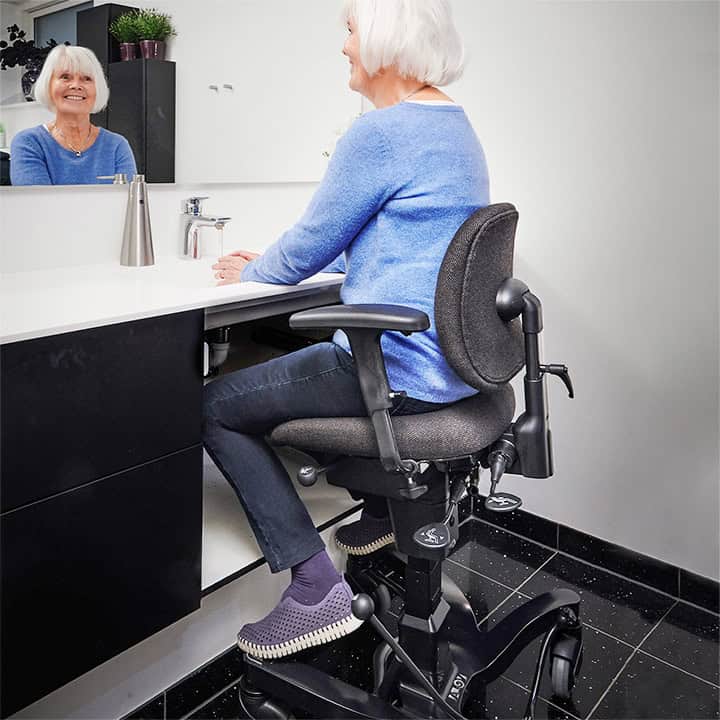
Innovations like the mobility chairs for independence, designed with features such as adjustable height and armrests, play a crucial role in enhancing mobility in assisted living environments. The latest models increasingly feature ergonomic designs and integration with digital health tools to reduce physical strain and improve user comfort[3][8]. Some advanced chairs now include AI-enabled health monitoring or pressure sore prevention, aligning with the trend toward personalized, data-driven care[1][5]. New safety features are seen in home accessibility devices, such as quieter stair lifts, improved sensors, enhanced remote controls, and slimmer designs with better aesthetic integration[1]. These chairs assist seniors in the transition from sitting to standing, promoting independence while reducing fall risks. Communities implementing such solutions report noticeable improvements in residents’ confidence and mobility, as seniors can practice mobility exercises in a stable and supportive environment. As a result, these tools are invaluable in fostering a greater sense of autonomy among residents.
Tailored Solutions for Mobility Challenges
In conclusion, the significance of mobility assistance in assisted living cannot be overstated. As the population continues to age, providing environments that offer both safety and independence remains a priority. Recent advances, including power mobility with smart systems, modular and upgradeable designs, and AI- or BCI-controlled aids, are expanding opportunities for senior independence[1][2][3][8]. Advanced robotic mobility options, perception technology, and cognitive accessibility tools like haptic wristbands and smart glasses are making these devices more inclusive and effective for users with diverse abilities[3][6][7]. Inclusive and stylish designs are addressing user demand for technology that is both functional and socially acceptable[8]. By adopting these solutions and utilizing insights from authoritative research, assisted living communities are well-positioned to address the diverse mobility challenges faced by seniors. With tailored support and intelligent technology, residents not only enjoy improved quality of life but also embrace their autonomy with confidence.
When contemplating alternatives to nursing homes, the VELA Independence Chair emerges as a viable option to help seniors remain at home longer. Its innovative features—including central brake safety, electric height adjustability, and effortless mobility—complement the broader movement toward intelligent, integrated mobility solutions. Such benefits can significantly delay the need for nursing home care by maintaining a higher level of independence and security at home. The VELA Chair contributes to daily life, making activities like cooking and cleaning more manageable, while also fostering dignity and freedom. While it’s one of many support solutions available, its practical and proven design—alongside emerging smart technologies—offers substantial benefits to those choosing to age in place, preserving energy and reducing caregiver strain.
References
- [1] Keyway Medical. Innovations in Mobility Aids.
- [2] Think Beyond the Chair. The Best Assistive Tech Gadgets in 2025.
- [3] PMC (PubMed Central). Recent trends in assistive technology for mobility.
- [4] Envision Blog. The Future of Assistive Technology & AI Assistants.
- [5] Ability Montana. Exciting Assistive Technology for People with Disabilities.
- [6] Equal Accessibility LLC. Innovations in Assistive Technology.
- [7] CSUN 2025 Conference Report. Top 5 Assistive Technologies.
- [8] Assistive Technology Outcomes and Benefits Journal, Volume 19, Spring 2025.