

Updated January 2026: We have updated the article with new findings on advanced AI-powered assistive technologies, real-time health-monitoring wearables, smart home and mobility innovations unveiled at CES 2026, robot assistants, and recent equity-focused policy initiatives to enhance accessibility and independence for seniors.
Modern assisted living: responding to the demands of aging
The landscape of senior living is experiencing transformational change as the aging population continues to expand. Responding to this demographic shift, modern assisted living facilities must adapt by embracing technological advancements, offering personalized care, and providing adaptive environments to meet seniors’ diverse needs. According to the CDC, it is projected that by 2040, the number of residents in assisted living facilities will double to 2 million. This statistic exemplifies the pressing need for innovation and evolution in the industry to accommodate future demands.
Navigating the new landscape of assisted living
Today’s assisted living facilities are a far cry from the past, offering residents comforts of home combined with state-of-the-art innovations to ensure their health and well-being. Leaders such as Atria Senior Living illustrate this trend by providing modern amenities and proactive safety measures. These facilities integrate digital health solutions to monitor residents’ health proactively and foster an environment that promotes social engagement through smart communal spaces. As reported by the American Health Care Association/National Center for Assisted Living, these trends affirm the industry’s commitment to making senior living efficient and personalized.
Cost dynamics and value in assisted living facilities
Understanding the cost dynamics of assisted living options is essential. Costs are influenced by location and the range of services offered, with the national median monthly cost in 2023 around $4,774. According to SeniorLiving.org, prices can be as high as $7,246 in Alaska and as low as $3,183 in Missouri. Facilities endeavor to provide various financial plans, allowing seniors and their families to manage costs without sacrificing care quality.
Tech-driven transformations in assisted living
The integration of digital technology is profoundly affecting assisted living. Facilities now move beyond basic technological solutions to embrace fully integrated AI-powered assistive technologies that deliver real-time, interactive support tailored to each user’s needs. Recent innovations highlighted at CES 2026 have introduced AI-driven wearables that monitor heart rate variability, blood oxygen, blood pressure, and even glucose trends, using AI analytics to predict declines in health for more proactive care. Smart home IoT devices—including fall detection sensors, voice-activated in-room systems, and AI-enabled pill dispensers—further support safety and independence for aging in place.
AI assistants are increasingly designed to provide seamless access to complex information, empowering seniors with more independence and ease of use, especially for those with visual, cognitive, or mobility challenges.
The latest generation of smart mobility aids includes WheelMove wheelchair attachments that provide a range of up to 25 km, all-terrain AI-powered chairs such as the XSTO X12 capable of navigating stairs and slopes, and MaaS-Bridge AI that creates accessible transport bridges. These advances go beyond standard wheelchairs and walkers, offering new possibilities for mobility and autonomy.
Wearable health-monitoring devices now provide real-time biometric feedback, synchronize with smart home ecosystems for continuous monitoring, and easily integrate with telehealth platforms for remote care. Facility-wide sensor networks support privacy-sensitive monitoring—using motion detectors and environmental sensors instead of intrusive cameras—to alert caregivers of potential health events.
A surge in cognitive health technologies also characterizes 2026’s landscape. Brain health apps, neurotechnology (such as AI-powered music therapy and brain training sensors), and virtual AI companions (e.g., Luna from CES 2026) specifically support residents with dementia or cognitive impairment. These address both mental well-being and social engagement.
Additionally, robotics and digital infrastructures are now part of best practices—robotic aides and smart infrastructure enable greater equity and accessibility, as highlighted during the CES Accessibility Stage. AI-powered digital platforms provide personalized nutrition and fitness plans, and telehealth integration has become essential for holistic care. Policymakers continue to emphasize inclusive design, digital equity, and affordable access for all older adults.
User-centric design and personalization remain guiding principles, with device interfaces and experiences being shaped by user and caregiver feedback to address digital literacy needs and reduce caregiver burden via remote monitoring.
Startups and global market initiatives are making cost-effective, adaptable, and inclusive devices more accessible for diverse populations. Government-backed and policy-driven programs, particularly in emerging markets, are streamlining access to essential assistive technology for those most in need.
YouTube; NextMSC; TheGoodLifeSV; LetsEnvision; ArHomeCare; ATIA; LeadingAge; Mobility Management; University of Florida Institute on Aging; ADvancing States; YouTube – CES 2026
Prioritizing safety and comfort with adaptive equipment
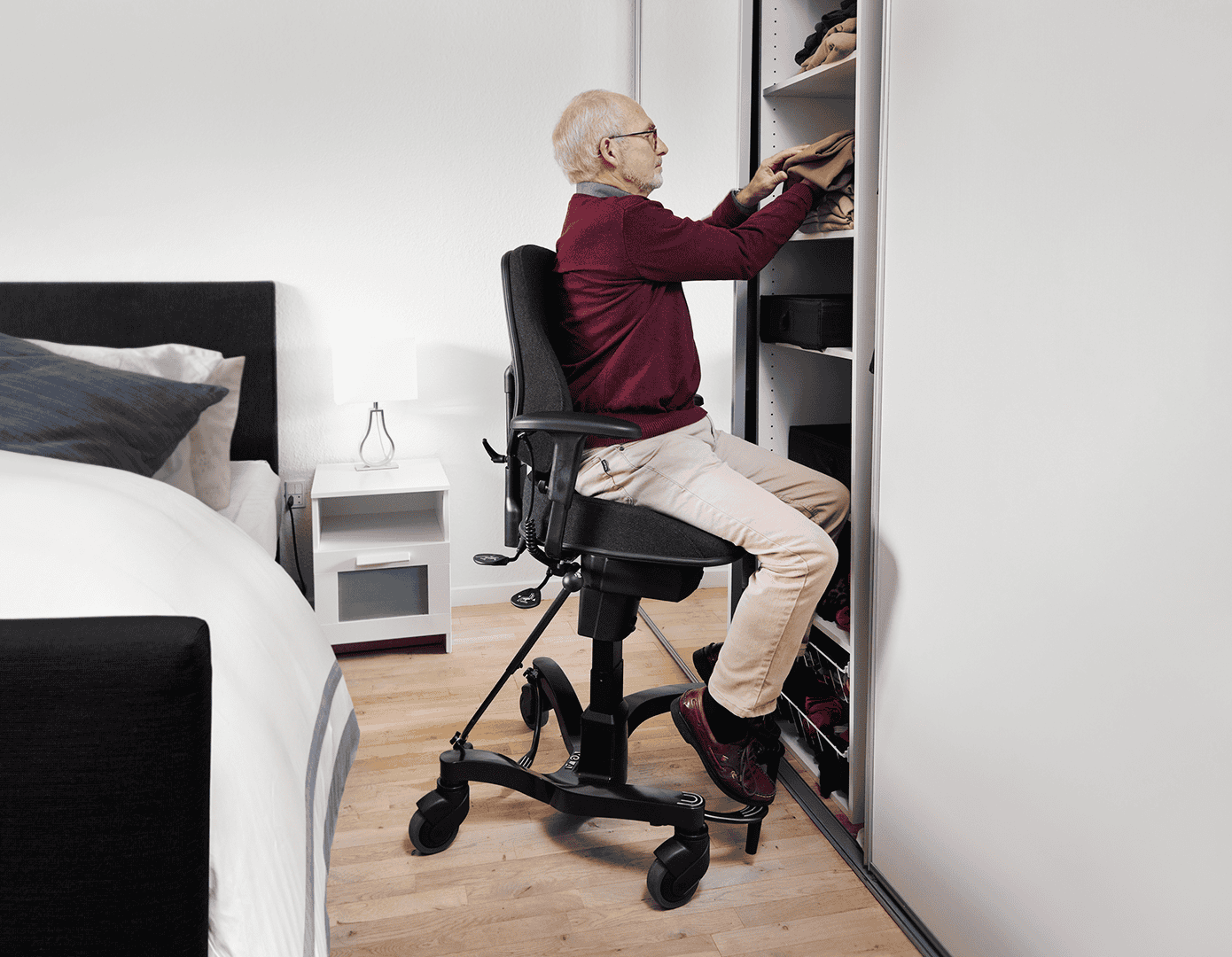
Safety and comfort remain paramount in modern assisted living, and adaptive equipment, such as VELA chairs, continues to play an essential role. These chairs are tailored to seniors’ mobility and safety needs, promoting independence and reducing fall risks. The new generation of mobility devices—including exoskeletons and feature-rich walkers—and the latest all-terrain AI-powered wheelchairs showcased at CES 2026 expand the options for supporting both rehabilitation and daily movement.
Advanced prosthetic technologies now employ updated electric motors, sensors, and AI-driven movement algorithms to emulate natural joint motion, delivering improved comfort and mobility for amputees. Smart canes and walkers provide additional safety features, such as built-in lights and environmental hazard detection, as well as AI-powered obstacle detection for safer navigation.
Wearable health devices and integrated medical sensors work alongside privacy-minded motion detectors to offer unobtrusive yet effective monitoring, ensuring prompt caregiver intervention when necessary while upholding dignity and privacy. The integration of real-time AI monitoring helps reduce the risk of falls and health events. Additionally, innovations in speech and cognitive assistance—like real-time translation of atypical speech, AI companions, and brain health applications—expand the scope of communication and social engagement for those dealing with neurological or speech challenges.
A study highlights that features like fall prevention, improved mobility, and greater independence are critical to improving residents’ quality of life. ConnsenseReport; ArHomeCare; YouTube; Mobility Management; LeadingAge; YouTube – CES 2026
The future of senior care: blending innovation with compassion
In conclusion, the future of senior care is defined by blending cutting-edge technology—including integrated AI-powered solutions, smart adaptive devices, robotic aides, smart infrastructure, and digital environments—with personalized and adaptive care. Emphasis is now placed on interoperability between assistive devices and smart home health systems, comprehensive telehealth integration, and neurotechnology for mental wellness.
Progress across the sector increasingly relies on coordinated government and industry initiatives, aiming to reduce costs, expand accessibility, and support underserved regions through strategic policy programs and collaborations. New policy directions highlighted in early 2026 at CES emphasize digital equity for disabilities and the aging population, ensuring assistive technologies are widely accessible and affordable for all.
Adoption trends show growing enthusiasm among older adults for new technologies that support mobility, mental well-being, and daily independence—endorsing the ongoing shift toward broader, more inclusive, and effective solutions in senior living.
NextMSC; TheGoodLifeSV; LetsEnvision; ConnsenseReport; LeadingAge; Mobility Management; University of Florida Institute on Aging; ADvancing States; YouTube – CES 2026
Supporting aging in place: a practical option
Harnessing the potential of innovative mobility solutions like the VELA Chair can significantly impact the ability of seniors to remain independent in their own homes. These chairs offer safety features such as a central brake and electric height adjustability, allowing users to perform daily tasks with less strain and risk.
The newest integrated assistive devices, including AI-enhanced smart walkers, canes with safety sensors, and advanced wearable monitors, support the concept of aging in place by providing actionable health data and responsive assistance. Devices now commonly offer real-time monitoring of multiple vital signs and can alert caregivers or family of possible health issues before they escalate. Smart home systems, such as voice-activated assistants, fall detection sensors, and pill dispensers, further enable aging in place with both autonomy and safety.
These features help reduce fatigue, lower fall risk, and delay the transition to nursing home care. By empowering seniors to engage in activities such as cooking, cleaning, or simply relaxing confidently, these solutions also contribute to emotional well-being by promoting dignity and autonomy.
Increasingly affordable, customizable assistive products and robotics—supported by public- and private-sector programs, policy initiatives, and innovations from CES 2026—are closing the gap between institutional care and independent living. ArHomeCare; NextMSC; TheGoodLifeSV; LeadingAge; Mobility Management; University of Florida Institute on Aging; ADvancing States; YouTube – CES 2026