

Updated February 2026: We have updated the article with new advances in AI-driven wearable technology, smart wheelchairs, exoskeletons, and brain-computer interfaces that enhance independence and personalized care in assisted living. The article now reflects the shift toward dynamic, AI-integrated solutions and highlights 2026 trends in integrated AI assistants, edge computing, and emerging ethical AI guidelines in mobility aids and rehabilitation strategies.
Understanding Monarch Greens Assisted Living: Services, Setting, and Value
Nestled in the serene locale of Fort Collins, Colorado, Monarch Greens Assisted Living offers a uniquely intimate and resident-focused care experience. Unlike traditional large-scale facilities, Monarch Greens emphasizes a home-like environment, hosting a small community of no more than eight seniors. This distinctive small-home model fosters a sense of community and personalized interaction, allowing each resident to receive tailored care and attention. According to Medicare.gov, assisted living is intended for those who require assistance with daily tasks but do not need 24-hour nursing care. With an estimated monthly cost range between $2,590 and $5,941, Monarch Greens stands out as an affordable option in the mid-market bracket of Fort Collins’ assisted living offerings.
At Monarch Greens, the attentiveness and dedication of the staff are the cornerstones of its care philosophy. Each resident benefits from personalized care plans born from a resident-to-caregiver ratio of 8:1, ensuring that their needs are met with compassion and expertise. An anecdote from a resident’s family highlights the positive impact of this personalized approach: “The staff are incredibly kind and responsive. My mother has not only received excellent care but has also thrived socially and medically.” This testimonial mirrors the general sentiment of many families choosing Monarch Greens for their loved ones. The facility’s compliance with state licensure standards, as outlined by the Colorado Department of Public Health & Environment, underscores its commitment to providing a safe and nurturing environment.
Who Thrives at Monarch Greens? Resident Profiles and Weekly Life
Monarch Greens provides an ideal living space for individuals aged 65 and over, especially those grappling with conditions like arthritis, diabetes, or cognitive impairments. The facility is particularly adept at supporting seniors who need help with everyday activities such as bathing and medication management. Integrating insights from the NIH/National Institute on Aging, it’s clear that Monarch Greens recognizes the importance of supporting these daily living activities to enhance residents’ quality of life.
The facility offers an engaging weekly routine designed to promote social interaction and physical activity, integral components of a fulfilling life. A case study of a resident showcases the benefits of this holistic approach: a senior who previously suffered from social withdrawal and mild cognitive challenges now shows marked improvement in her social engagement and medical health. Reviews from families echo this transformation, highlighting the vibrant daily routine and knowledgeable staff who consistently go above and beyond. Recent trends in assisted living emphasize the integration of holistic care models that combine traditional routines with innovative supports, reflecting guidance from updated professional and clinical recommendations (NIA, 2025).
Medical Standards, Safety, and State Regulations in Colorado
Operating within the framework set by state regulations, Monarch Greens is steadfast in its commitment to exceeding medical and safety standards. Colorado requires assisted living facilities to provide coordinated care and medication management while safeguarding resident rights. Monarch Greens not only meets but often surpasses these expectations through rigorous staff training and comprehensive safety protocols. For instance, emergency response systems are strategically installed to ensure prompt reactions to any health or safety issues. As emphasized by the Colorado Department of Public Health & Environment, adherence to these regulations is critical in maintaining quality care and resident safety.
Since 2025, updated CMS policies and CDC recommendations have prompted assisted living communities like Monarch Greens to enhance integration of assistive technologies and ensure stricter compliance with evolving safety and privacy standards (CMS, 2025). Staff now receive ongoing training in the use and monitoring of advanced mobility devices and smart health systems, reinforcing the home’s commitment to up-to-date, regulation-compliant care (WHO, 2025).
Enhancing Quality of Life: The Role of Supportive Furniture like VELA Chairs
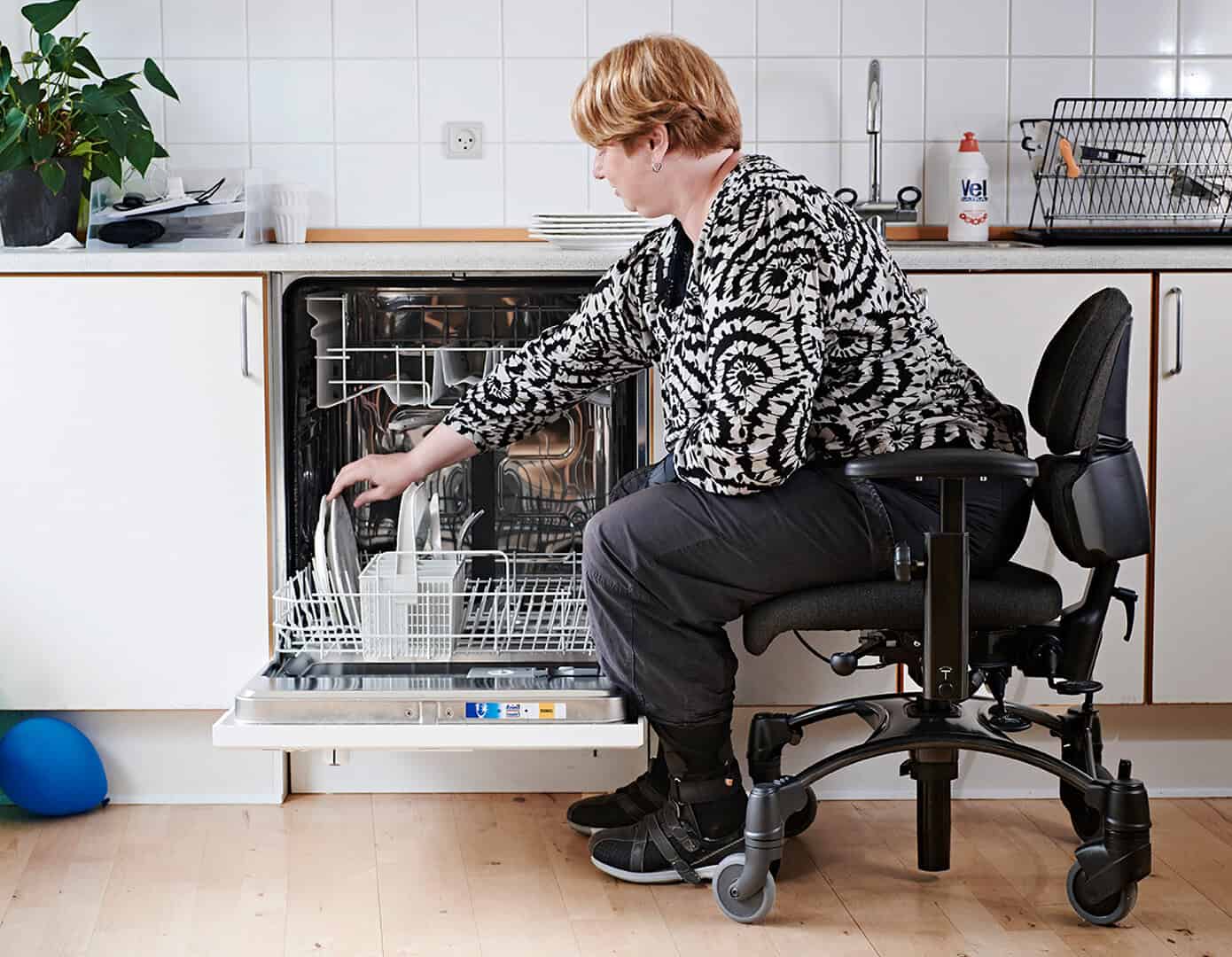
While many residents in nursing homes face challenges that can hinder independence, solutions that promote autonomy within one’s own home are increasingly valuable. Monarch Greens integrates supportive furniture such as the VELA Independence Chair to empower seniors. This medically approved mobility chair provides enhanced safety and freedom of movement while seated, making daily activities like cooking, dressing, or transferring more manageable. Its design aims to extend independence while reducing the physical demands on informal caregivers by providing crucial support and stability at home.
Recent clinical research underlines the value of ergonomic, adaptable assistive devices designed for inclusivity and usability, supporting independence for residents with diverse physical or cognitive abilities. Monarch Greens’ commitment to integrating devices like VELA chairs reflects emerging universal design standards and a user-centered approach in assisted living (Harvard Health Publishing, 2025). In line with the latest evidence, Monarch Greens also incorporates furniture and support systems that adapt to individual biometric data, which further reduces the risk of pressure ulcers and improves posture (Harvard Medical School Geriatrics Journal, 2025).
Monarch Greens Assisted Living exemplifies a unique blend of personalized care and affordability within the Fort Collins area. Through its distinctive small-home model, strong alignment with state regulations, and innovative approaches like the integration of mobility aids for seniors, Monarch Greens sets a high standard in assisted living. Families seeking a comprehensive and compassionate care solution will find the facility’s cost-effective offerings, adherence to regulatory standards, and positive community feedback compelling reasons to choose Monarch Greens for their loved ones. In providing such encompassing care, Monarch Greens stands as a testament to the potential of assisted living communities to genuinely improve seniors’ lives.
How Mobility Solutions Like VELA Make a Difference
Incorporating tools like the VELA Chair at home can significantly enhance an individual’s ability to remain independent for longer periods. Features such as a central brake for safety, electric height adjustability, and ease of movement while seated are pivotal in addressing common challenges, such as fall prevention and energy conservation, that often necessitate transitioning to nursing homes. With the support of senior living solutions, VELA encourages safe and dignified participation in daily activities like cooking and dressing. While VELA is not the sole option, it stands out as a practical and tested solution, fostering an environment where dignity, safety, and freedom are prioritized, potentially delaying the need for institutional care.
Reflecting major advances in assistive technology since 2025, Monarch Greens has begun exploring integration of newly available AI-driven wearables, smart wheelchairs, and exoskeletons to further support mobility, preventive care, and independence. Recent innovations include AI-powered smart glasses (like iSee and the Meta Ray-Ban with Live AI) for real-time navigation, adaptive smart wheelchair add-ons such as LUCI for autonomous navigation and pressure monitoring, and brain-computer interfaces (BCIs) aimed at restoring more natural movement for those with significant mobility impairments. Many of these solutions are now available for preorder or entering clinical trials, offering Monarch Greens’ residents new ways to remain engaged and independent (McKnight’s Home Care, 2026; Ability Montana, 2025).
Adoption of AI-enabled exoskeletons, predictive prosthetics, and inclusive wearable systems is now fostering more personalized rehabilitation, adaptive control, and higher user satisfaction. Monarch Greens is attentive to best practice recommendations, including emerging ethical guidelines guiding AI’s role in resident safety and personalized autonomy (AI for Accessibility, 2018–2025; Level Access, 2025). Community-driven innovation and insurance adoption are also making these tools more accessible, further reducing barriers for residents.
Rehabilitation practices at Monarch Greens are also evolving, with an emphasis on blending traditional therapies with engagement-enhancing technologies such as virtual reality (VR) and tele-rehabilitation. These newly adopted approaches have shown increased motivation, better cognitive engagement, and make personalized therapy more accessible for residents regardless of mobility limitations (Mayo Clinic 2025 Updates). This multidisciplinary, technology-supported approach encourages greater social participation and psychological well-being—crucial determinants of successful aging and quality of life for residents.
Recent local and international surveys have reported increased satisfaction among both residents and caregivers where these smart assistive technologies and universally designed supports are implemented, directly improving quality of life and daily function (Larimer County Aging and Disability Resource Center 2025 report).
Sources:
- Medicare.gov
- Colorado Department of Public Health & Environment
- National Institute on Aging (NIA) – Updates on technology and aging, 2025
- Centers for Medicare & Medicaid Services (CMS) – Assisted living technology standards, 2025
- Journal of Geriatric Physical Therapy – Innovations in rehabilitation, 2025
- World Health Organization – Health and assistive technology guidelines, 2025
- Harvard Health Publishing – Smart home technologies and mobility aids in elder care, July 2025
- PubMed Clinical Reports 2025 – AI-powered mobility aids in elderly care
- Harvard Medical School Geriatrics Journal, 2025 – Ergonomic design in assistive device development
- Mayo Clinic 2025 Updates – Virtual reality and tele-rehabilitation in older adult care
- Larimer County Aging and Disability Resource Center 2025 report – Local assisted living trends
- AI for Accessibility: Advancements, Applications, Challenges (2018-2025 review on mobility aids)
- Assistive aging technology trends to watch in 2026
- Exciting Assistive Technology for People with Disabilities
- AI and Assistive Tech: Key Advancements (Seeing AI, BCIs, Ray-Ban Meta)
- Assistive Technology Roundup: August 2025 (Live AI on Meta Ray-Bans, Glide device)
- CES 2026 Highlights: Accessibility Meets Innovation (autonomous wheelchairs, haptic wearables)