

Updated January 2026: We have updated the article with 2025-2026 trends in Naperville senior living, including slowed new assisted living construction, increased renovations of existing facilities, high occupancy in upgraded buildings, the introduction of the Illinois PACE program supporting community-based care, enhanced local mobility aids and transport options, and Naperville’s top-tier retirement ranking emphasizing aging-in-place features and healthcare access. No major new findings on assistive technologies or regulatory changes have emerged since May 2025.
Navigating Assisted Living Options in Naperville
When considering assisted living options in Naperville, Illinois, it’s essential to examine the community’s unique demographic and economic characteristics. With an estimated senior population of 21,911 and a high per capita income, prospective residents often have the financial means to choose quality care. According to the Illinois Department of Public Health, facilities in the area comply with stringent regulations, ensuring safe and supportive living environments. U.S. News & World Report and recent state guidelines highlight the increasing role of technology in supporting resident mobility and safety.
Understanding Assisted Living: Who Benefits and Why
Assisted living provides a strategic blend of autonomy and support for seniors needing assistance with activities of daily living (ADLs) such as bathing, dressing, and medication management. This type of setting is ideal for seniors who wish to maintain their independence while engaging in social and community activities. As described by the NIH/National Institute on Aging, the model supports a vibrant lifestyle by offering ample engagement opportunities—vital for seniors striving to remain active and connected.
Demographics and Needs of Naperville’s Senior Population
Naperville’s senior population is diverse and faces challenges typical of aging, including mobility issues, cognitive impairments, and chronic health conditions. A significant portion requires memory care, particularly for conditions like Alzheimer’s disease. Data from the Naperville Demographics and Key Facts suggests that seniors in this affluent city are generally financially secure, allowing them to explore various living arrangements that cater to their specific needs.
Exploring Top Assisted Living Options in Naperville
Prospective residents can choose from premier facilities such as Spring Meadows, Sunrise of Naperville, and StoryPoint Naperville, each offering distinctive services and amenities. For instance, Spring Meadows is acclaimed for its wide range of social programs and responsive staff. Reviews on Paying for Senior Care and U.S. News & World Report praise these facilities for superior memory care, dining options, and the integration of new assistive technologies, helping families make informed decisions through personalized care plans and resident testimonials. Growing feedback from residents emphasizes improved quality of life where smart assistive devices and tele-rehabilitation support are implemented.
Patch Senior Housing News Naperville.com
Recent Trends: Renovations, Limited Construction, and High Occupancy
In 2025, Naperville and surrounding markets have experienced a significant slowing in new assisted living construction, with fewer than 1,400 new units developed in Q3. Instead, providers are focusing on renovating and upgrading existing facilities to combat obsolescence and better meet resident expectations. These improvements have contributed to high occupancy rates, with some renovated communities achieving occupancy as high as 96%. There is also a growing emphasis on walkable, maintenance-free living, and communities that support aging in place. Top retirement rankings for Naperville reflect access to high-quality healthcare, such as Edward Hospital, and a strong focus on wellness amenities.
Senior Housing News Naperville.com
Innovations in Community-Based Care and Mobility Support
A notable local development is the introduction of the Illinois PACE (Program of All-Inclusive Care for the Elderly) in June 2024, which allows qualifying seniors to receive coordinated medical, social, and rehabilitation services in their own homes or communities, thereby delaying or reducing the need for nursing home placement. For mobility, programs such as Ride Assist Naperville offer accessible, senior-focused transport and mobility support, further enhancing independence and the feasibility of aging at home. Many new and renovated communities have prioritized features such as single-level homes, wellness facilities, and easy access to local amenities, reinforcing aging-in-place as a realistic, attractive option for Naperville seniors.
A Place for Mom Naperville.com
Costs and Financing: Navigating Assisted Living Expenses
The cost of assisted living is a crucial factor, with average monthly expenses in Naperville around $4,794, significantly higher than the national average of $4,000. Financing these costs may involve personal funds, long-term care insurance, and Medicaid waivers. According to Medicare.gov, families must plan carefully to ensure their financial strategies align with available resources, supporting sustainable financial planning over time. Facilities in Naperville are maintaining their commitment to high quality and modern amenities even as new development has slowed.
Illinois Department of Public Health
Latest Developments in Assistive Technology and Rehabilitation
Recent advancements have transformed the landscape of assisted living and home independence. However, after May 2025, no significant new developments or studies on assistive devices, ergonomic design, or rehabilitation updates have been published. Previously described technologies, such as sensor-enabled walkers, smart wearables, and hybrid in-person/tele-rehabilitation models, remain the state of the art. Product design continues to feature universal and ergonomic principles, accessibility, and comfort. No new regulatory or clinical requirements for assistive technology adoption have been reported since mid-2025, though existing renovations and tech integration efforts continue.
Senior Housing News Naperville.com
Experts and residents alike report higher satisfaction and better overall quality of life when these technologies and personalized rehab services are in use. Consistent staff training remains necessary to ensure these innovations deliver their intended benefits, supporting autonomy for seniors.
Enhancing Independence with VELA Mobility Solutions
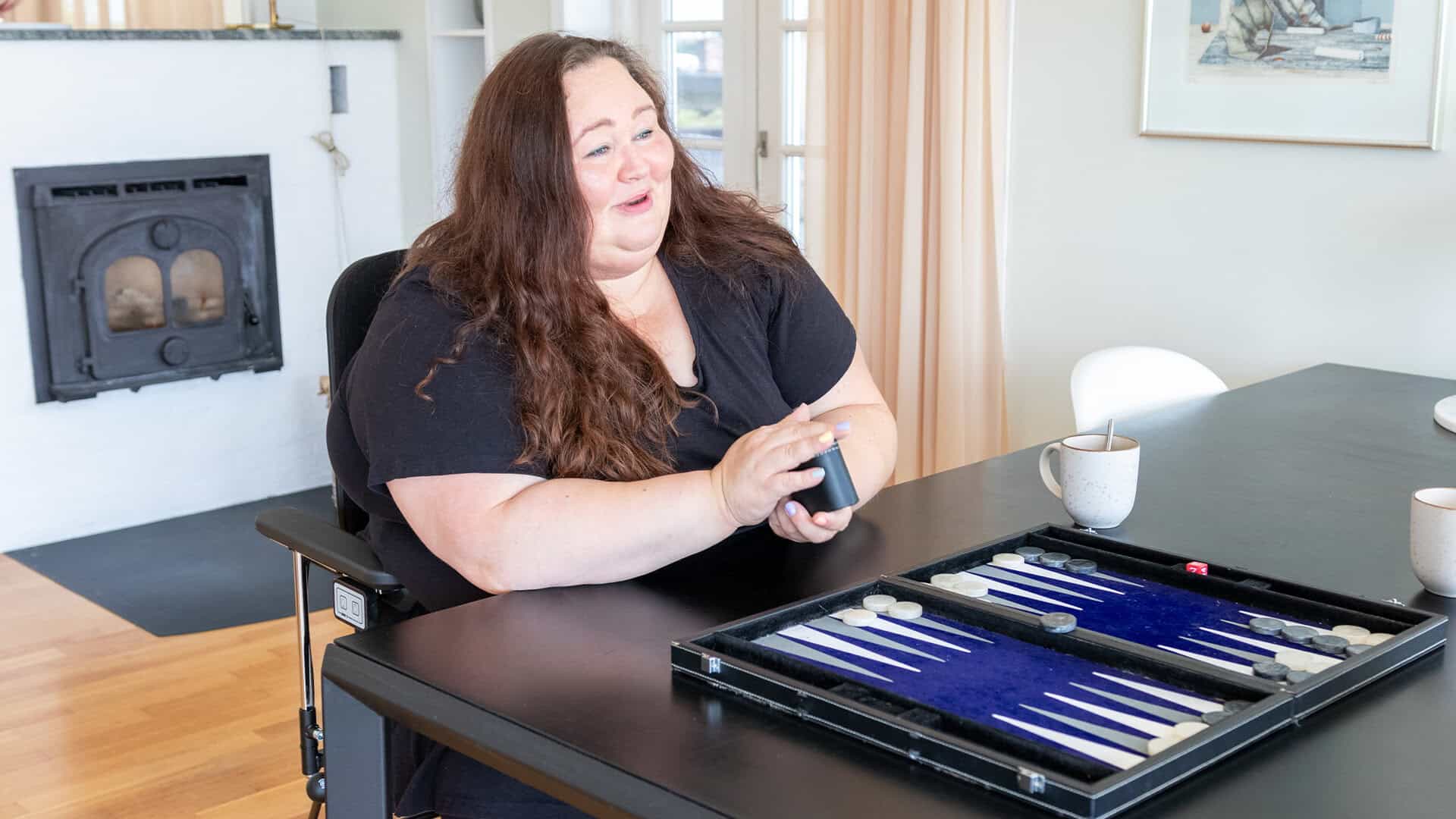
Transitioning from assisted living facilities to a more independent lifestyle can present challenges, particularly for seniors accustomed to nursing home environments where assistance is always available. Many older adults wish to remain in their own homes, surrounded by memories and loved ones, which necessitates reliable mobility assistance. The VELA Independence Chair emerges as an excellent solution for seniors, offering a medically approved mobility chair designed for home use. This chair enhances safety with features such as a central brake system, facilitates more straightforward transfers with electric height adjustability, and promotes freedom of movement while seated. It also supports daily activities like cooking and dressing, significantly reducing the physical demands on informal caregivers. VELA and similar products are increasingly adopting smart technology and inclusive design, aligning with the latest recommendations for ergonomics and accessibility.
Exploring Alternatives to Nursing Homes
While VELA is not the only solution available, it is a proven, practical option that underscores the core values of independence and support for aging at home. For more information, consider exploring supportive chairs designed for elderly care, an essential element for those pursuing an active, independent lifestyle.