

Updated February 2026: We have updated the article with the latest advances in AI-powered assistive technology, including smart glasses, intelligent wheelchairs, wearable robotics, and integrated AI ecosystems for mobility and community living. Additional insights cover trends in hands-free AI assistants, new rehabilitation practices, insurance adoption of smart devices, and ethical guidance for clinical best practices in assisted living facilities.
Comprehensive Guide to Assisted Living in Needham, Massachusetts
In Needham, Massachusetts, the assisted living landscape reflects a commitment to both high-quality care and resident independence. The average cost of assisted living in the area is approximately $7,365 per month, higher than the national average due to its location within the affluent Boston metropolitan area. This pricing reflects the premium services and amenities offered by facilities in Needham, which include a focus on maintaining residents’ autonomy while providing tailored support. According to A Place for Mom, these factors contribute significantly to the overall cost.
Exploring Assisted Living Options in Needham
Needham offers multiple choices for assisted living, including Continuing Care Retirement Communities (CCRCs) such as North Hill, which provide a broad spectrum of services like assistance with activities of daily living (ADLs) and engaging social activities. One resident at North Hill describes the community atmosphere as “lively and welcoming,” highlighting how the supportive environment facilitates seamless integration. This testimonial underscores the importance of not only professional care but also the vibrant community life that aids resident transition. For more information, visit North Hill.
Recent advancements in assisted living have brought about the integration of advanced AI-driven assistive technologies within many Needham facilities. These include not only AI-powered sensors for fall detection, personalized ambient controls, and voice-activated assistants, but also the adoption of smart wearable devices such as smart glasses and exoskeletons. Modern solutions like Envision Glasses, iSee glasses, and Meta Ray-Ban with Live AI now provide real-time environmental description, multilingual guidance, and navigation support for residents with low vision or cognitive challenges (Let’s Envision; Ability Montana). Smart wheelchairs featuring AI-driven obstacle detection, adaptive controls, and even brain-computer interface prototypes are increasingly available—often covered by insurance or community initiatives—helping to maximize safety and autonomy (PMI Space Coast). Additionally, rehabilitation interventions increasingly utilize wearable robotics and AI-assisted motion therapy to promote independence among seniors with disabilities (PMI Space Coast).
Top Choices for Senior Living in Needham
Among the top-rated options is the North Hill Retirement Community, celebrated for its expansive 59-acre campus offering several living community options. The resident benefits include modern amenities, gourmet dining, and cultural programs, all fostering an active lifestyle. Wingate Residences, known for its assisted living and memory care services, is praised for its community focus and high resident satisfaction. Families particularly appreciate the community’s proximity and its warm, resident-centered ethos. Additional details can be found at Wingate Residences.
The newest expansion, One Wingate Way East, is scheduled to open in Spring 2026 and exemplifies the shift toward holistic lifestyle approaches. With advanced amenities such as modern fitness studios and flexible social interaction spaces, the focus now extends beyond traditional care to include personalized wellness and enrichment activities (Wingate Living).
For residents requiring specialized memory care, Avita of Needham provides a secure environment tailored for individuals with cognitive conditions like Alzheimer’s disease. The community is lauded for its innovative programs that emphasize holistic engagement, addressing the unique needs of each resident. Facilities now follow enhanced infection control protocols and staff training requirements, as set by updated Massachusetts and national regulations, ensuring evidence-based memory care (Mayo Clinic; Massachusetts Executive Office of Elder Affairs, 2025). Visit Avita of Needham for more insights.
Making Informed Decisions for Senior Care
Selecting an assisted living facility in Needham involves evaluating key factors such as costs, levels of care, and amenities. Financial planning is crucial due to the higher pricing; prospective residents should assess base costs, additional fees, and financial aid options. It’s important to evaluate current and future care needs, understand staff-to-resident ratios, and inquire about medication management. To illustrate, a local family used these criteria to select the best-fit facility for their parent, ensuring both current needs and future transitions are gracefully managed. Detailed guidance can be found at SeniorLiving.org.
According to the latest clinical guidelines and regulations, Massachusetts has strengthened its assessment standards, infection control protocols, and staff education in dementia care. New person-centered care models require facilities to document quality-of-life metrics and actively involve residents in decision-making about their daily routines and activities (Massachusetts Executive Office of Elder Affairs, 2025).
Mobility Solutions for an Independent Lifestyle
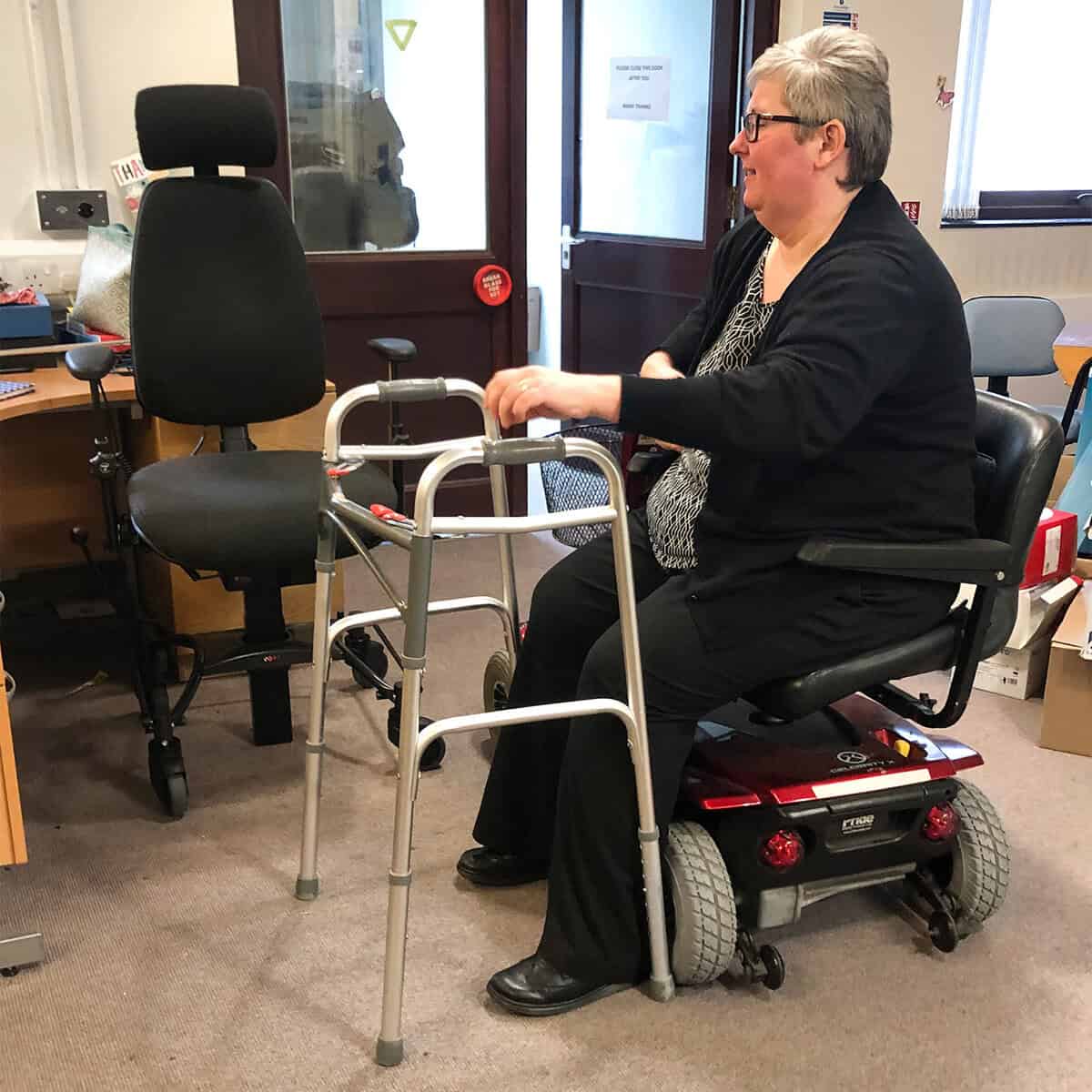
Maintaining mobility is integral to fostering independence in assisted living settings. Tools like VELA chairs support safe movement and engagement in community activities. These ergonomic chairs help facilitate daily tasks while reducing fall risks, thereby promoting resident autonomy. For more on the benefits of VELA chairs, see Vivid Care Insights.
Recent innovations in ergonomic and inclusive design are shaping the mobility solutions now available to residents. Advancements focus not only on adaptable furniture and mobility aids designed to be sleek and non-stigmatizing but also on integrated, AI-powered mobility solutions that personalize support in real time. Features such as predictive navigation, AI-driven obstacle avoidance, and adaptive interfaces are being introduced to serve a broad spectrum of physical abilities, further enhancing comfort and accessibility for residents (PMI Space Coast; Ability Montana). Inclusive design principles underpin these new products to enhance dignity, participation, and personalization for seniors in assisted living.
In the realm of senior care, the ability to “age in place” is increasingly recognized as a priority. Assistive devices like the VELA Independence Chair and AI-driven smart wheelchairs play a crucial role in realizing this ambition—empowering seniors to manage daily activities independently and safely. Mobility solutions for seniors wanting to maintain autonomy assist in daily tasks—whether it’s preparing a meal or relaxing safely. Features such as the central brake and electric height adjustments enhance safety, reduce the fall risk, and give users control over their environment, extending the period they can live at home comfortably. When coupled with other fall prevention strategies, these chairs can significantly delay the transition to a nursing home through support in daily tasks, thus preserving dignity and independence. VELA is one practical solution among many, now complemented by intelligent AI assistive systems, highlighting the importance of thoughtful, personalized elder care solutions (McKnight’s Home Care).
Resident-Driven Technology and Lifestyle Trends
Resident and family feedback highlights a growing demand for facilities that combine advanced technologies with vibrant programming. Popular features now include AI-integrated wearables, virtual reality for reminiscence therapy, connected fitness equipment, and hands-free AI assistants capable of scene recognition, predictive text, and real-time communication support. These trends support engagement, well-being, and inclusive participation in daily community life. In addition, regulatory bodies are increasingly emphasizing ethical AI oversight, such as conducting bias audits on assistive technology platforms, helping set new clinical best practices in geriatric care (PMI Space Coast). There is an increasing focus on flexible social opportunities, privacy, and accessible outdoor spaces to meet the evolving expectations of residents in assisted living (North Hill Senior Living).
Sources and Further Reading
- Massachusetts Executive Office of Elder Affairs – Updated Assisted Living Guidelines and Regulations 2025
- PMI Space Coast – AI for Accessibility: Advancements, Applications, Challenges, and Future Directions (2025)
- Let’s Envision – The Future of Assistive Technology & AI Assistants (2025)
- Ability Montana – Exciting Assistive Technology for People with Disabilities (2025)
- Level Access – AI and Assistive Tech: Key Advancements in Accessibility (2025)
- McKnight’s Home Care – Assistive Aging Technology Trends to Watch in 2026
- WHO 2025 Report – Inclusive Design for Aging Populations
- Harvard Medical School – Smart Technologies and Aging
- MayoClinic.org – Memory Care and Infection Protocol Updates
- North Hill Senior Living – Community Updates
- Wingate Living – Community Reports