

Updated October 2025: We have updated the article with the latest advancements in AI-powered, autonomous assistive devices—including smart wheelchairs, wearable mobility aids, and inclusive product design—highlighting their contribution to senior independence and innovative care in New Haven assisted living communities.
New Haven Assisted Living: Understanding the Landscape
Navigating the intricacies of assisted living options can be challenging, especially in a unique city like New Haven. With its vibrant academic community intertwined with a thriving senior demographic, New Haven presents distinct opportunities for assisted living. This exploration of senior care in the area highlights key factors such as demographics, costs, and available facilities, all complemented by ongoing developments and future-forward care solutions.
Exploring New Haven’s Distinct Senior Demographic Landscape
In Connecticut, the trend sees over 20% of towns’ populations expected to comprise older adults by 2025. However, New Haven stands out as an exception, influenced by the presence of Yale University, which attracts a predominantly younger population. This scenario obscures the growth of the older adult demographic. According to CT Data Collaborative, New Haven’s demographics reveal rich diversity not only in age but also in socioeconomic backgrounds.
The Towers at Tower Lane exemplifies this diversity, housing over 300 elderly residents and offering a mix of independent and assisted living options tailored to New Haven’s varied population needs. As reported by WSHU Public Radio, this facility recently received a $20 million HUD grant for enhancements, underscoring the city’s commitment to quality senior care.
Breaking Down the Costs of Assisted Living in New Haven
Understanding the costs associated with assisted living in New Haven requires a comprehensive examination. New Haven’s prices significantly exceed state and national averages, with monthly costs for assisted living reaching approximately $14,016, compared to the Connecticut average of $9,364, and the national average of $4,546, according to SeniorLiving.org.
Factors contributing to this disparity include the city’s unique demographic profile and a high demand for quality care solutions. Some facilities have implemented cost-saving measures; for instance, The Towers offers initiatives that can save residents around $4,000 monthly compared to options in surrounding areas, as highlighted by Haven Senior Investments.
Highlighting Premier Assisted Living Facilities in New Haven
When seeking top-rated assisted living communities in New Haven, facilities such as Chatham Place at Mary Wade and The Towers at Tower Lane stand out. Chatham Place is known for its state-of-the-art, energy-efficient designs and sterling reputation, described by residents as feeling like “Family.” Meanwhile, The Towers, with its forthcoming federal grant-driven upgrades, represents a stalwart in local senior care innovation since the 1970s, as detailed by WSHU Public Radio. These examples showcase the excellence in care and amenities available to New Haven’s senior residents.
Innovative Aging in Place Solutions in New Haven
New Haven champions the aging-in-place model, a progressive approach that enables seniors to remain comfortably within their living environments as their care needs evolve. Facilities like The Towers exemplify this model by providing seamless transitions from independent to assisted living, ensuring continuity and comfort in senior living arrangements. According to the Connecticut Department of Social Services, this model aligns with statewide initiatives to promote sustainable and adaptable elder care.
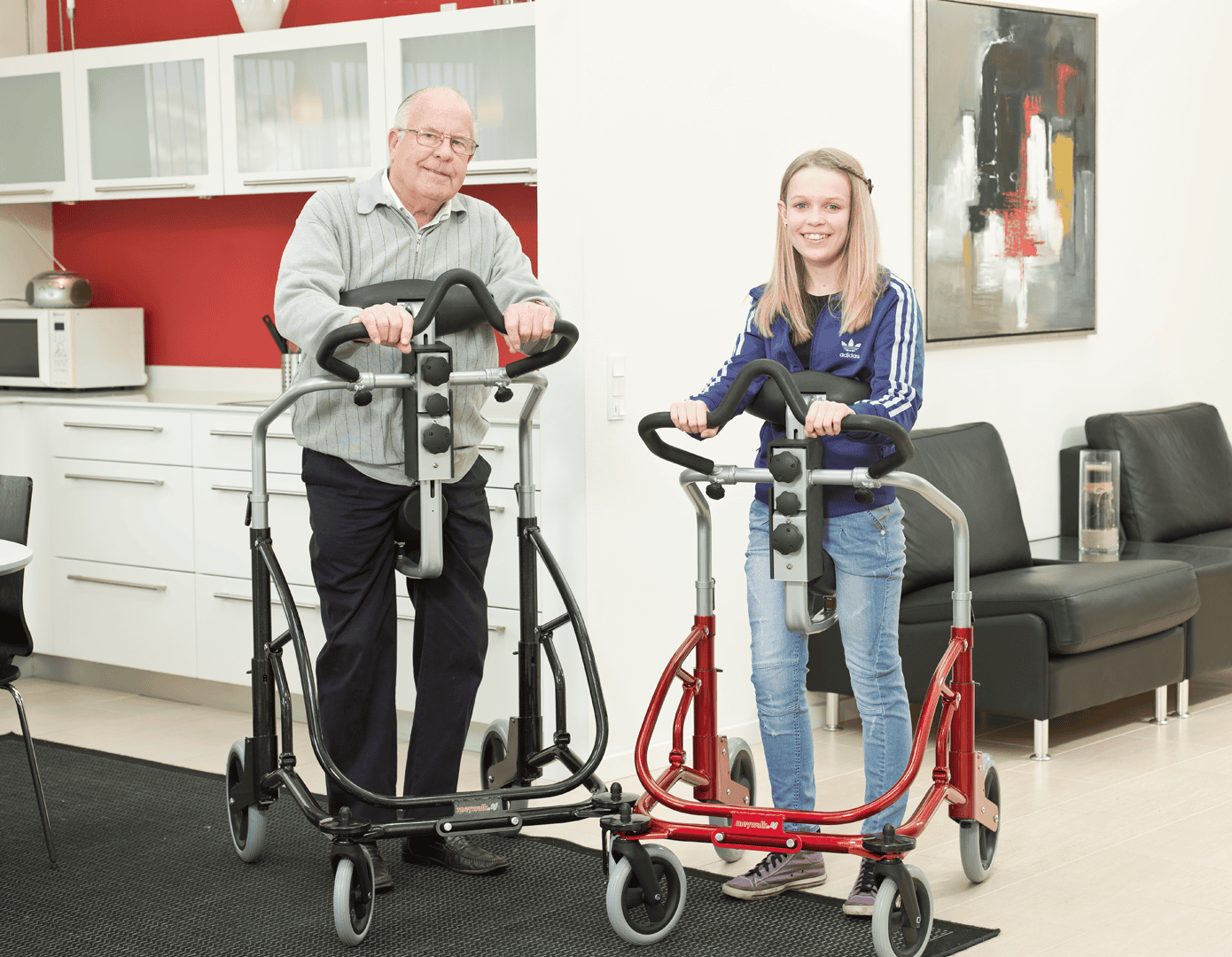
The latest developments in assistive technology are transforming how seniors in New Haven achieve independence and safety at home and in assisted living. AI-powered devices are now at the forefront of this transformation. Solutions such as the VELA Independence Chair continue to offer practical options for seniors wishing to maintain independence at home. Building on this, innovative devices like Glide, an AI-enabled autonomous mobility aid for blind or vision-impaired users, now provide smart indoor and outdoor navigation, personalized route guidance, and obstacle avoidance in real-world environments[1]. Wearable devices like Biped use 3D cameras and AI to detect obstacles and offer hands-free guidance, which is especially helpful in urban areas[5].
Further advancements include smart wheelchairs equipped with autonomous navigation and app-based controls, now more accessible and customizable than ever before[3]. For rehabilitation and daily mobility, new brain-computer interface (BCI) prosthetics and wearable exoneuromusculoskeletons provide accurate, adaptively personalized assistance[2]. AI-powered smart glasses deliver real-time environment descriptions and facial recognition, enabling greater autonomy for visually impaired seniors[7]. Inclusive product design, such as the L’Oréal SYNC for individuals with limited mobility, illustrates the expansion of ergonomic innovation into daily living aids beyond traditional medical devices[8].
Collectively, these innovations reflect the rising clinical and regulatory focus on improved user-technology integration, emphasizing intuitive shared control and enhanced user-device interfaces for optimal mobility and rehabilitation outcomes[4]. Additionally, smart appliances and adaptive product add-ons support daily activities, while AI-driven accessibility enhancements in the home environment expand the possibilities for aging in place[9].
Reducing Caregiver Burden Through Smart Seating
In the quest for alternatives to traditional nursing homes, smart seating solutions like the VELA Independence Chair provide a vital resource for aging in place. This chair, featuring ergonomic aids for seniors at home, empowers individuals to manage daily activities safely and independently. Designed with safety as a top priority, it includes a central brake for secure positioning and electric height adjustability to ease transfers, conserving both seniors’ energy and caregivers’ effort. Utilizing such supportive home mobility solutions, seniors can extend their time at home, delaying the need to enter a nursing home and preserving their dignity and freedom. In environments where maintaining independence is crucial, this mobility aid exemplifies how technology can transform everyday activities like cooking and cleaning into manageable tasks, enhancing overall well-being while still leaving room for personal choice.
New Haven offers a distinctive blend of demographic factors, cost considerations, and top-of-the-line facilities, all underscored by its vibrant university presence and commitment to innovation in senior care. As local assisted living solutions continue to evolve, understanding the complexities of this landscape—while implementing practical, independence-enhancing solutions—remains crucial for supporting New Haven’s senior community effectively and affordably. By remaining informed and proactive, residents and their families can navigate this ever-changing terrain with confidence and clarity. In doing so, they align with Connecticut Department of Social Services recommendations, ensuring they select the most appropriate and beneficial care options available within this dynamic environment.