

Updated February 2026: We have updated the article with information on current 2026 senior care trends, including smart mobility aids with fall detection, AI-powered health monitoring, robotic assistance, telehealth integration, and advanced cognitive and sensory support technologies.
Understanding Newburgh Assisted Living Options
In Newburgh, where seniors make up 17.13% of the population, choosing an assisted living facility is pivotal for ensuring a high quality of life. Assisted living is distinct from nursing homes and independent living by providing a blend of housing, personalized support services, and healthcare designed for those who need help with day-to-day activities but do not require the intensive medical care of a nursing home. The demand for specialized memory care and fall-prevention solutions is rising, reflecting Newburgh’s aging population’s unique needs, which are slightly above the national average. According to SeniorCare.com, these tailored services are becoming increasingly vital due to the area’s demographic trends.
Understanding Assisted Living Options in Newburgh
Assisted living facilities in Newburgh offer a range of services designed to support residents while promoting independence. These services include assistance with activities of daily living (ADLs) such as bathing, dressing, and medication management. Advances in assistive technology have expanded the range of support available to seniors, including the adoption of AI-powered devices and smart home technologies that increase accessibility and comfort J Med Internet Res. 2024. As of 2026, new solutions such as smart mobility aids with fall detection, GPS tracking, and emergency alert systems, as well as robotic assistance and exoskeletons, have become increasingly integrated within senior living environments for enhanced safety and support. Additionally, facilities are now implementing telehealth services with real-time health data transmission and devices that provide AI-powered medication reminders and predictive analytics for proactive care. Unlike nursing homes, assisted living communities focus more on enhancing the social and lifestyle activities of their residents. According to the New York State Department of Health, state regulations ensure quality and safety through strict standards that facilities must meet.
Consider the experience of Margaret, an 82-year-old Newburgh resident who transitioned to assisted living due to mobility challenges. The move from independent living to a community where aids such as grab bars and daily assistance were available significantly improved her quality of life. Margaret exemplifies how a tailored environment—with modern advancements such as smart in-room assistive devices and user-friendly ergonomic design—can preserve dignity and independence, as she can now participate more actively in social events with the aid of these accommodations Seniors Blue Book.
The Senior Demographic and Health Needs in Newburgh
Newburgh’s senior demographic faces health challenges typical of aging populations, such as arthritis and dementia. With the senior cohort (65+) comprising 17.13% of the population, common health concerns also include managing diabetes and the effects of socio-economic variability on healthcare choices. Data from Neilsberg Insights highlight that this demographic requires personalized healthcare options that address these specific issues within assisted living settings.
For instance, consider John, a senior diagnosed with diabetes, who moved into an assisted living facility offering specialized dietary management and regular health monitoring. His access to nutritional guidance has enabled better management of his condition, significantly enhancing his health outcomes and quality of life. The recent focus on intelligent mobility devices and cognitive health tools—such as wearable health monitors and interactive AI assistants—further supports individualized care, promoting both mobility and ongoing wellness in assisted living communities. In 2026, support is further enhanced by cognitive and sensory technologies, including smart medication dispensers and advanced hearing aids with AI noise filtering, which help address a broad range of needs Ability Montana Blog.
Choosing the Right Assisted Living Facility in Newburgh
Selecting the appropriate facility involves considering factors such as services, costs, and resident reviews. Top-rated providers like Brookdale Wayne AL/MC and Primrose of Newburgh differentiate themselves through personalized care plans, modern amenities, and strong user reviews. Increasingly, facilities are investing in smart home integration, AI-powered emergency assistance, and inclusive design elements that enhance both safety and convenience J Med Internet Res. 2024. As of 2026, robotic assistance and voice-controlled smart systems are also being introduced to further support resident autonomy and safety. According to A Place for Mom, these facilities excel in community engagement and resident satisfaction.
Testimonials from residents and their families often reflect positive experiences, such as compassionate staff and a vibrant social atmosphere, emphasizing the importance of an environment that fosters both comfort and safety. Another testimonial from Amy, whose mother resides at Primrose, highlights the facility’s exceptional communication and support, which helped ease her mother’s transition and enhanced her social engagement. Modern facilities with innovative technology adoption are increasingly recognized for facilitating smoother transitions and greater resident satisfaction Seniors Blue Book.
Financial Planning and Costs for Assisted Living
Understanding the financial landscape of assisted living is crucial. Pricing models typically include services such as housing, meals, and personal care, with base fees ranging from $4,075 to $6,727 per month. Community fees may also apply, affecting budgeting considerations. According to Haven Senior Investments, understanding these costs allows potential residents to plan financially.
For instance, the Richardson family faced the challenge of affording their mother’s placement in an assisted living facility. They combined personal savings with long-term care insurance, ensuring her needs were met while adhering to their financial plan. This illustrates the necessity of strategic financial planning when considering long-term care options. Awareness initiatives, such as Assistive Technology Awareness Month, also play a role in informing families about potential funding sources and policy updates relevant to assistive devices and care Governor of North Carolina Proclamation.
Enhancing Senior Independence and Safety
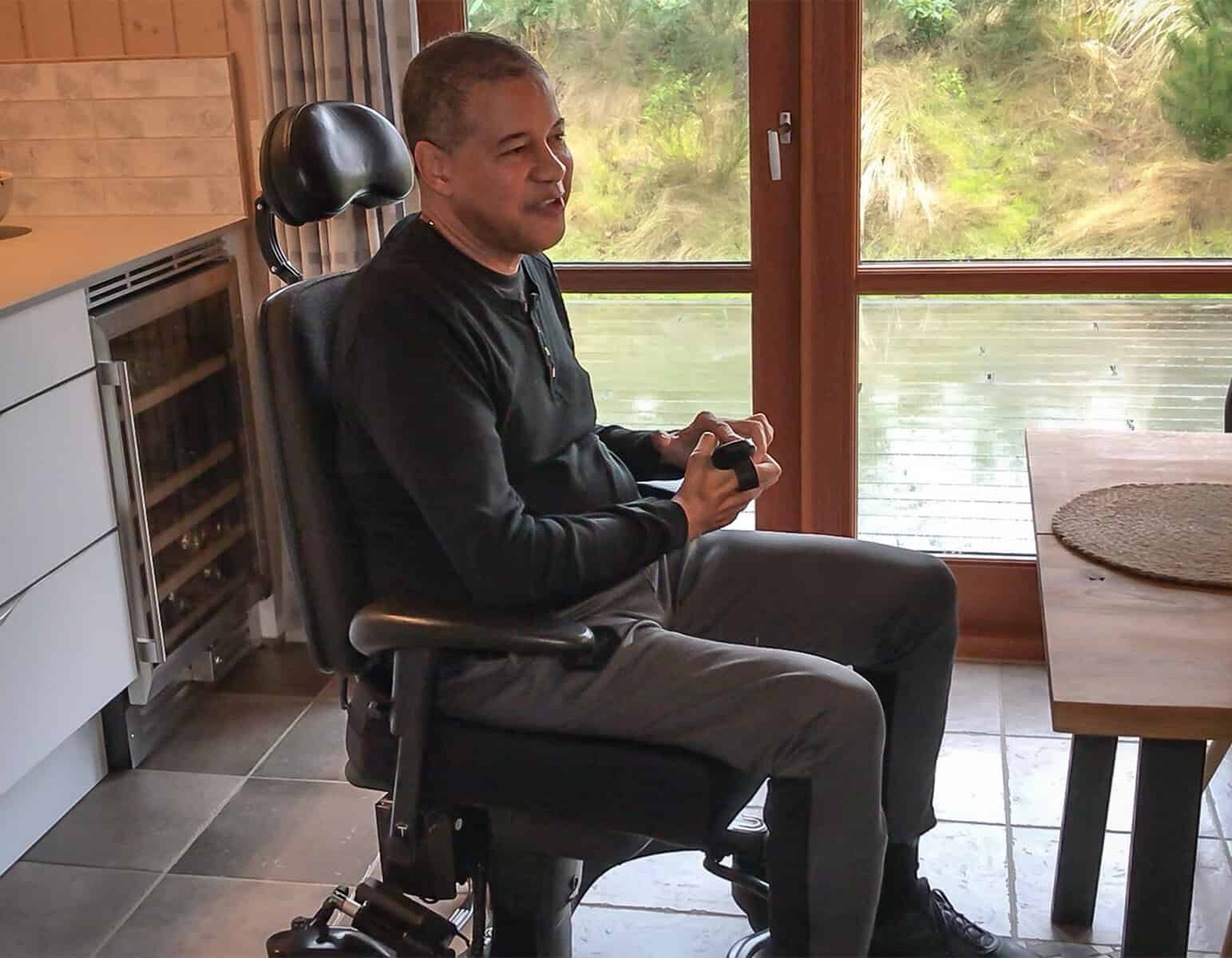
While nursing homes serve individuals requiring more intensive care, many older adults prefer to maintain their independence in familiar surroundings. Solutions like the VELA Independence Chair exemplify how technology can enhance the quality of life at home. VELA is a medically approved mobility chair designed for use in-home, providing enhanced safety, freedom of movement while seated, and support for daily activities like cooking, dressing, or transferring—all while reducing the load on informal caregivers. As of 2026, mobility support has expanded to include smart mobility aids with integrated fall detection and voice activation. Building on these foundations, new AI-powered mobility aids and voice-controlled smart systems further enhance fall prevention and user autonomy, allowing for more intuitive operation and tailored support Ability Montana Blog. For additional benefits of fall safety and mobility solutions in line with assisted living needs, visit Elderly Fall Risk Reduction.
Empowering Independence in Newburgh Assisted Living
Choosing the right assisted living facility in Newburgh is crucial for maintaining elderly residents’ dignity, independence, and overall well-being. Incorporating mobility solutions like the VELA chair, together with newer AgeTech tools supporting cognitive and physical health, further enhances safety and independence, allowing residents to lead fulfilling lives despite physical limitations. Recent advancements also include telehealth medical device connections for real-time data sharing between seniors and health professionals, as well as smart medication dispensers and advanced hearing aids utilizing AI for optimal sensory support. As Primrose Retirement suggests, a well-rounded approach to care—combining personalized support with innovative mobility aids and integrated technology—is essential for empowering seniors in their twilight years J Med Internet Res. 2024.