

Updated January 2026: We have updated the article with the latest advancements in AI-driven personalization, predictive analytics for fall and health risk management, robotics in companionship and mobility aids, smart home technologies, and market growth trends in assistive technology for seniors.
Understanding Assisted Living in North Haven: A Local Overview
As the demand for assisted living facilities in North Haven continues to rise, families are increasingly seeking environments that cater specifically to the unique needs of the aging population. According to the Centers for Disease Control and Prevention (CDC), over 811,500 residents are served in assisted living communities across the nation, illustrating a significant need for quality elder care. In North Haven, where the aging demographic is notably growing, these facilities must not only deliver essential help with activities of daily living (ADLs) but also ensure safety and compassionate care in compliance with Connecticut’s rigorous regulatory standards. According to the Connecticut Department of Public Health, such facilities must meet stringent safety and quality standards.
Top-Rated Assisted Living Communities in North Haven, CT
North Haven offers a selection of highly-regarded assisted living communities, each with distinct features and services. The Landing of North Haven stands out for its award-winning care, as recognized by U.S. News & World Report, which notes that 97% of residents feel safe in the community. Boasting chef-led nutritional programs and comprehensive memory support, it meets a wide range of resident needs. Montowese Health & Rehab Center provides an integrated approach to rehabilitation and assisted living, while Copperleaf Senior Living emphasizes specialized memory care. Testimonials frequently highlight staff kindness and a homelike atmosphere, fostering trust and comfort among residents.
What Services and Amenities Can Residents Expect?
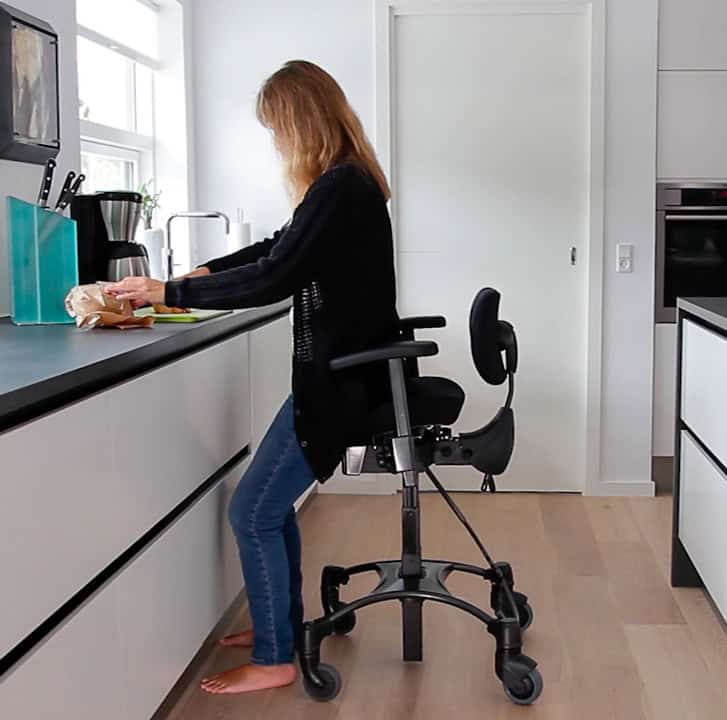
Assisted living in North Haven provides ample medical assistance, support for ADLs, and a variety of dining and nutrition services. Facilities often feature social, recreational, and therapeutic activities vital for residents’ mental and social well-being. A study in the Journal of the American Medical Directors Association (JAMDA) found that 93% of assisted living communities offer help with bathing, 84% with dressing, and over 80% with medication management. The complexities and limitations often faced in nursing homes inspire families to consider alternative options that maintain older adults’ independence at home. Mobility solutions such as the VELA chair represent one such option. The VELA Independence Chair is a medically approved mobility chair designed for use at home, providing enhanced safety and freedom of movement while seated. It supports daily activities like cooking, dressing, or transferring, all while reducing the physical and emotional load on informal caregivers.
By 2026, assistive technology for seniors has seen notable advancements aligned with trends in AI-driven personalization and predictive analytics. AI applications now analyze a range of health metrics to help predict and prevent falls, medication interactions, and cognitive decline, empowering early intervention and chronic disease management.[1] Robotics and socially interactive companion devices reduce loneliness and support cognitive stimulation, while AI-powered mobility aids provide features such as automatic speed adjustments, GPS locators, and intelligent fall prevention.[1]
Wearable health monitoring devices have become mainstream among older adults, covering essential areas like fall detection, vital sign tracking, and integrated automatic emergency alerts. Smart pill dispensers support medication adherence by notifying caregivers about missed doses.[4] Seniors benefit from smart home environmental control, as voice-activated systems now enable independent management of lighting, temperature, locks, and appliances, while security features like smart doorbells and cameras have improved residential safety.[4]
Access to technology in assisted living settings is influenced both by national standards and the World Health Organization’s call for equitable, user-focused assistive technology solutions. Residents utilize increasingly advanced devices such as adaptive eyewear, AI-powered mobility equipment, and digital accessibility tools, supporting daily routines and communication needs. Despite hurdles like cost and awareness, evidence-based policies and growing workforce expertise are driving broader adoption and reducing disparities in technology-supported care.[1] The Disabled & Elderly Assistive Technology Market is projected to reach USD 57.06 billion by 2032, reflecting ongoing investment and innovation in this field.[4]
For residents with mobility challenges, specialized equipment such as the VELA chair significantly enhances safety and independence. In addition, the commercial availability of folding wheelchairs with zero turning radius and app-based controls support better maneuverability and personalized comfort. Mouth-operated devices and adaptive keyboards with AI-driven voice control are increasingly offered to assist those with limited dexterity, making daily digital interactions easier for all residents. AI-driven tools further personalize accessibility and support, allowing residents to participate more fully in daily routines and community life.Digital Learning Institute, 2025 Collectively, these technologies contribute to a more accessible, safe, and supportive living environment for seniors.IEEE Paper, 2025; Equal Accessibility LLC, 2025; Ability Montana, 2025; PR Newswire, 2025
Frequently Asked Questions about North Haven Assisted Living
When considering assisted living in North Haven, families often inquire about costs, dementia support, and Connecticut’s specific regulatory measures. The average monthly cost in the area is approximately $6,675, with The Landing of North Haven offering a range from $4,225 to $6,900, depending on services, as per Leisure Care. This reflects the comprehensive and individualized care provided.
Connecticut facilities conform to rigorous safety and quality standards outlined by the Connecticut Department of Public Health, ensuring that residents receive care that is both safe and respectful.
A practical scenario highlights a family prioritizing memory support and community engagement for a loved one with dementia. This demonstrates assessing both care quality and social opportunities when selecting a suitable facility.
As older adults strive to maintain their independence, investing in solutions like the VELA Independence Chair can extend the ability to live at home longer. These chairs address critical issues such as safety with features like a central brake, while their electric height adjustability aids in seamless transitions and transfers. This adaptability saves energy for the user and eases the demands placed on family caregivers. By facilitating everyday activities—whether cooking, cleaning, or simply relaxing—the VELA chair offers a reliable option, though not the only one, to empower seniors to age gracefully in their environments. Enhancing Independence at Home and Senior Support Chairs provide practical insights into how these devices contribute to a dignified, independent lifestyle while potentially delaying the need for more institutional care.
1. AI-driven advancements in assistive technology, 2026
4. Ability Montana – Smart Wheelchairs and Adaptive Technologies, 2026