

Updated February 2026: We have updated the article with 2026 cost data for assisted living and nursing home care, expanded discussion of enhanced assisted living options, and added recent rankings using updated CMS quality metrics for nursing homes. No new clinical, technology, or regulatory changes have been identified affecting assistive devices or rehabilitation practices.
Choosing the Right Care: Nursing Home vs Assisted Living vs Skilled Nursing Facility
As the population ages, making informed decisions about senior care becomes increasingly crucial, particularly given estimates that indicate that by 2030, all baby boomers will be over 65 years old. According to the National Institute on Aging, an estimated 70% of Americans will need some form of long-term care in their lifetime, underscoring the importance of thoroughly understanding available care options.
Assisted Living Facilities: Independence with Support
Assisted living facilities provide seniors with a balance between independence and necessary support. Ideal for those who need assistance with daily activities but wish to maintain autonomy, these facilities commonly offer private apartments or rooms designed to encourage community interaction without sacrificing individual privacy. Services often include meals, personal care assistance, social activities, and housekeeping. According to Senior Services of America, these environments can greatly enhance social interaction while supporting stable health conditions.
Consider Alice, a resident thriving in an assisted living environment. Her stable health and sociable nature enable her to participate in communal dining and group exercises, where she finds companionship and joy. This setting has proven invaluable for Alice, allowing her not just to live, but to thrive.
Recent advances in assisted living increasingly feature the adoption of AI-enabled assistive technologies, such as smart walkers with fall detection and individualized activity monitors. These innovations help tailor care, enhance safety, and improve the ability of residents to maintain independence and participate in activities. The integration of these devices, while promising, also introduces new considerations regarding staff training and technology adoption (H2H Healthcare).
For those requiring a level of service between traditional assisted living and skilled nursing, enhanced assisted living options now bridge this gap by offering more comprehensive rehabilitation support and management of chronic conditions. This provides a hybrid model, maximizing independence while meeting increasing medical or functional needs.
Skilled Nursing Facilities: Comprehensive Medical Support
Skilled nursing facilities (SNFs) are designed to offer intensive medical care for individuals with complex health needs requiring constant supervision, much like a clinical setting. These facilities provide around-the-clock access to medical professionals, including licensed nurses and specialized therapists, offering services such as rehabilitation and continuous medical monitoring. As noted by Creative Solutions in Healthcare, these facilities are particularly crucial for residents like Bob, who needed to transition from assisted living due to increasing medical requirements.
Bob’s transition illustrates the necessity of SNFs; with regular rehabilitation needs and ongoing medication adjustments, the comprehensive care and medical oversight align perfectly with his necessities, ensuring he receives the continuous attention and specialized care needed for his condition.
Modern SNFs are adapting to include advanced rehabilitation tools, such as robotic exoskeletons, AI-driven activity monitors, and tele-rehabilitation or virtual reality (VR) therapies. These approaches foster engagement and better outcomes for residents while supporting caregivers with ergonomic equipment designed to reduce strain and enhance personalized care (Haven Health).
Comparing Care Levels: Assisted Living vs Skilled Nursing
Understanding the differences between assisted living and skilled nursing facilities is vital for making informed care decisions. The primary distinctions lie in medical care levels, staffing, physical environment, and regulatory oversight.
- Medical Care: Assisted living prioritizes personal care over medical services, suitable for those with stable medical conditions. In contrast, skilled nursing provides comprehensive medical support tailored for those with unstable or complex health conditions (Dove Healthcare).
- Staffing: In assisted living, the workforce generally comprises non-licensed caregivers along with licensed nurses during specified hours, as opposed to skilled nursing facilities, where licensed nurses are available 24/7 (Eden Senior Care).
- Environment: Assisted living environments resemble residential settings with personalized spaces, while skilled nursing facilities maintain a hospital-like atmosphere suitable for intensive medical care (Nursing Home Law Center).
- Regulatory Oversight: Assisted living facilities are chiefly regulated by state agencies, whereas skilled nursing facilities comply with both state and federal regulations, ensuring more stringent standards and quality measures (Noble Horizons).
Regulatory measures have recently evolved: as of July 2025, the Centers for Medicare & Medicaid Services (CMS) have updated their Nursing Home Care Compare and Five-Star quality rating system to now include chain-level performance metrics and adjustments to survey cycles. These changes enhance transparency and provide more meaningful information for individuals comparing facilities (CMS Five-Star Quality Rating System; CMS Nursing Home Compare Updates). For example, consider Mary and John, an elderly couple with distinct needs. Following a stroke, Mary requires comprehensive medical care, placing her in a skilled nursing facility. Meanwhile, John, capable yet needing minor assistance, benefits from residing in an assisted living facility, enabling the couple to meet their respective care needs effectively.
The 2026 U.S. News & World Report’s Best Nursing Homes rankings reflect these regulatory changes, evaluating more than 2,700 providers using the latest CMS metrics, which now weigh 19 short-term and 17 long-term quality measures (US News 2026 Best Nursing Homes; Elder Law Answers 2026 Rankings; McKnight’s on 2026 US News List).
Underlying trends highlight a continued move away from institutional long-term care and toward home and community-based services (HCBS), a shift accelerated by the COVID-19 pandemic. Nevertheless, nursing homes and SNFs remain essential for individuals requiring high-level skilled care (KFF – Nursing Facility Characteristics).
Supporting Aging in Place: A Practical Option
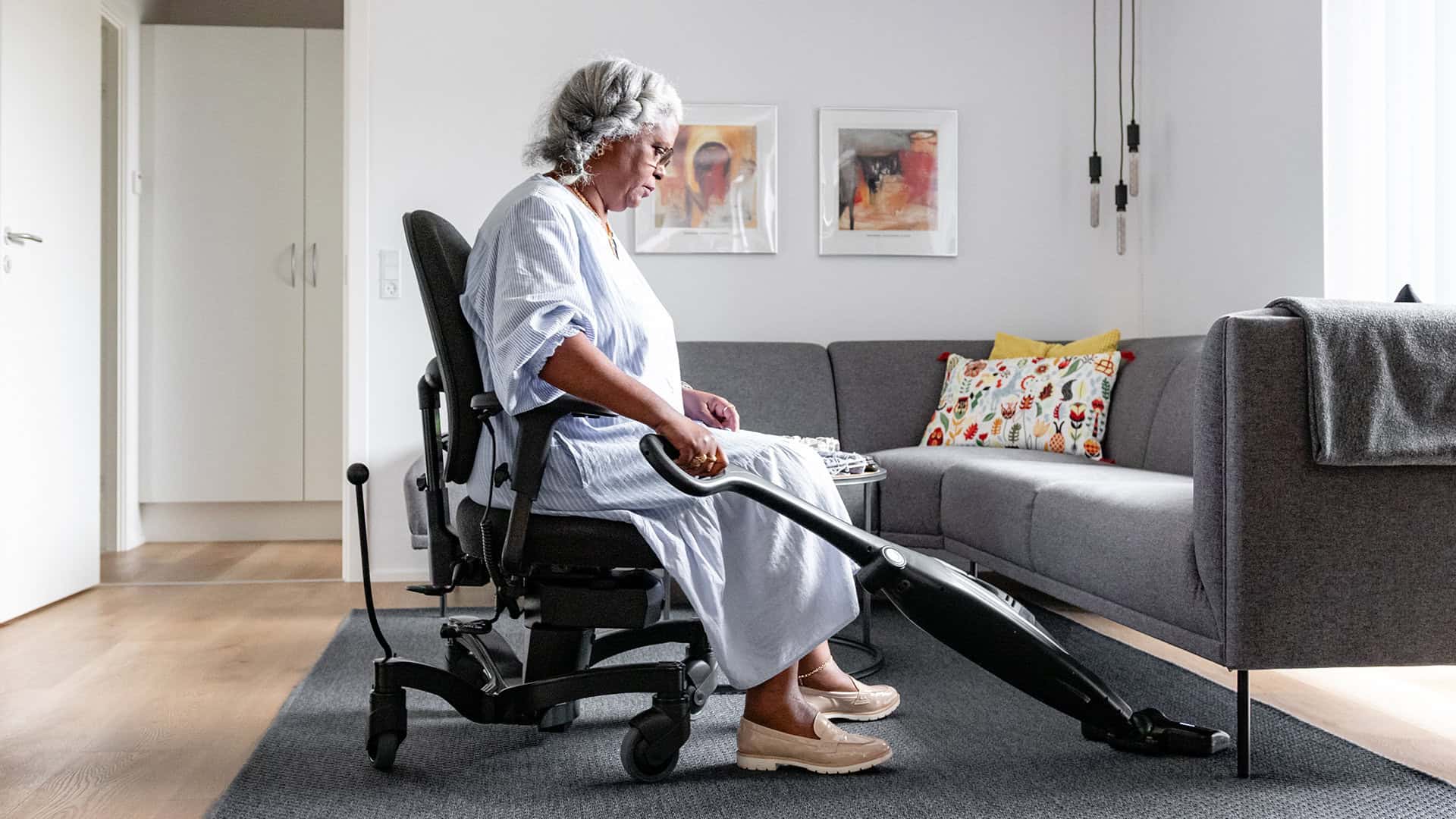
Staying at home can be a fulfilling option for many seniors, especially with the right tools. VELA Chairs facilitate this lifestyle by offering invaluable support to those wishing to maintain independence longer. Key features include a central brake for safety, electric height adjustability, and the ability to move easily while seated, addressing common challenges like safety, energy conservation, and ease of transfers. This can delay the need for a nursing home by helping seniors manage daily tasks like cooking, cleaning, and relaxing with reduced risk and effort. Life without such support can involve increased dependence on caregivers, diminished mobility, and safety concerns. While VELA is one proven solution to support aging in place, exploring various mobility aids can help determine the best fit for individual needs, ultimately enhancing dignity, freedom, and quality of life (assistive tools for seniors aging in place).
Recent industry feedback highlights broad acceptance of assistive technology in long-term care, noting improvements to residents’ quality of life, mobility, and engagement. However, the integration of these technological solutions brings challenges related to staff training, funding, and ensuring person-centered care remains at the forefront (H2H Healthcare).
Cost Considerations and Insurance Coverage (2026)
The cost difference between care options remains significant. In 2026, the median monthly cost for a private room in a nursing home stands at approximately $11,294, while assisted living averages around $6,313 per month (Senior Living Cost Overview 2025). These updated figures reflect the widening gap due to the increased medical support and staffing in nursing homes and skilled nursing facilities, compared to assisted living. Insurance coverage continues to vary by service type: Medicare typically covers short-term skilled nursing care following a hospital stay, but does not generally cover long-term residency in a nursing home or assisted living. Medicaid coverage is available for qualifying individuals who require long-term care (KFF – Nursing Facility Characteristics).
With updated federal databases and Five-Star rating systems, individuals now have improved resources for comparing quality and cost among facilities and for making well-informed decisions (CMS Five-Star Quality Rating System).
For the latest information on facility rankings and trends, consult the 2026 Best Nursing Homes guides and CMS resources (US News 2026 Best Nursing Homes; Elder Law Answers 2026 Rankings; McKnight’s on 2026 US News List).