
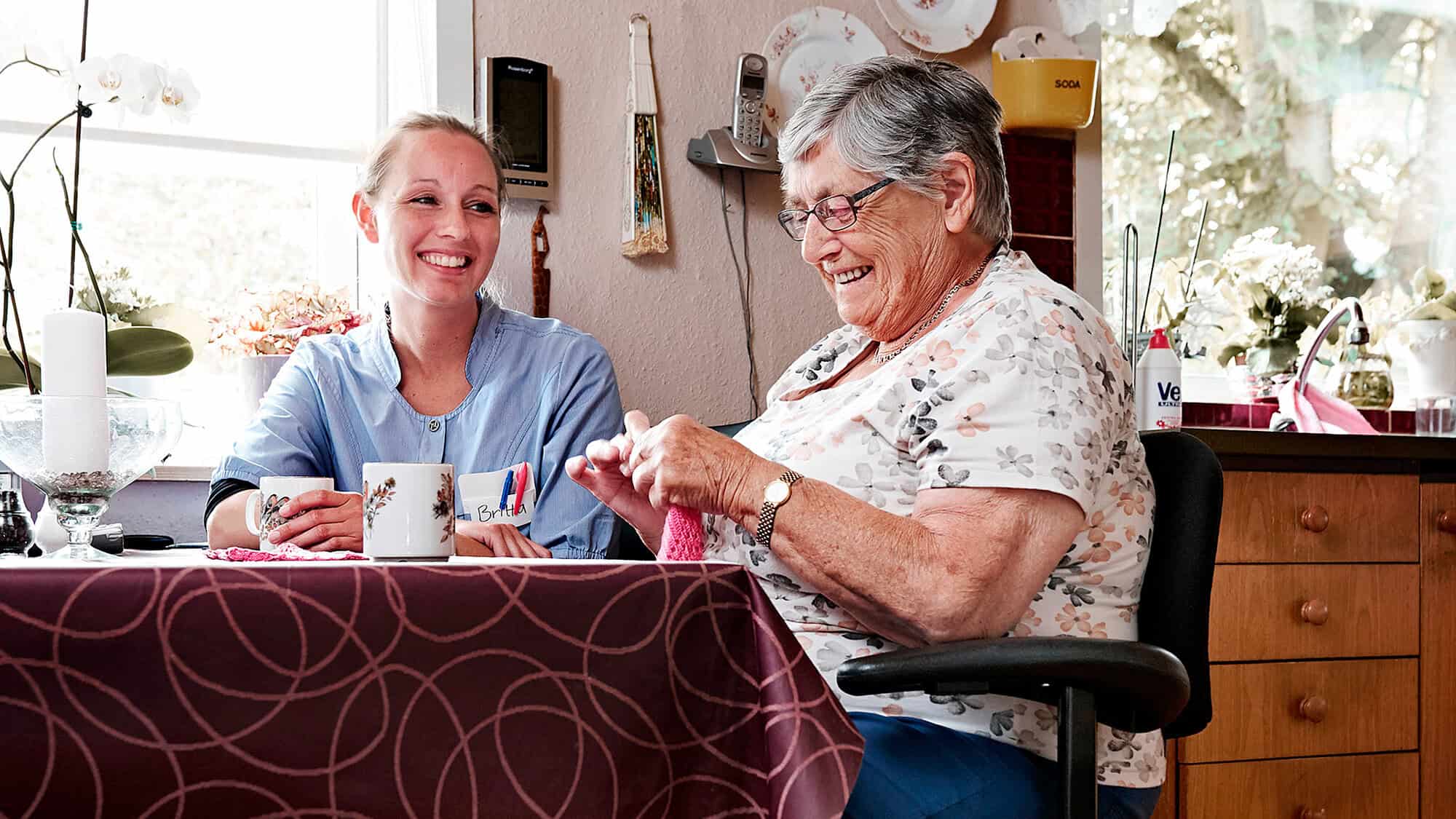

Updated February 2026: We have updated the article to include the latest advancements in AI-powered and smart assistive technologies, such as terrain-adaptive wheelchairs, fall-detection walkers, robotic companions, voice-activated AI assistants, VR/AR rehabilitation, and CES 2026 innovations. The article now reflects trends in predictive AI for fall risk, 5G/IoT remote monitoring, and the integration of these solutions in Oakdale’s assisted living facilities.
Oakdale Assisted Living: Finding the Right Fit for Your Loved Ones
Selecting an assisted living facility for your loved one is a crucial decision that impacts their quality of life and independence. In Oakdale, California, this consideration is especially important given that approximately 30% of residents are older adults, underscoring the community’s robust elderly population. According to Data USA, this article explores the options available in Oakdale assisted living, offering insights into various care levels, potential mobility solutions, and essential financial considerations, ensuring you’re well-prepared to make an informed decision.
Understanding assisted living options in Oakdale
Oakdale offers a variety of assisted living facilities, with four local communities catering to seniors’ diverse needs. Each facility presents unique features and care services. For instance, “New Perspective of Oakdale” is renowned for its studio, one-bedroom, and two-bedroom units, all within a “friendly family-like atmosphere.” Discover more at A Place for Mom. These facilities are tailored to transition residents smoothly from independent to assisted living, emphasizing personalized care plans that cater to individual needs.
Transitions often involve detailed consultations to align care plans with residents’ health and lifestyle, a concept well-supported by authoritative insights. Look up Senior Living for more information. The key is to understand the various levels of care and choose accordingly, ensuring your loved one’s needs are both anticipated and met.
Tailoring care for Oakdale’s senior community
Many seniors residing in assisted living facilities struggle with conditions such as memory impairments and arthritis. Tailored care plans, crucial in these scenarios, are designed to manage these conditions effectively. For example, many facilities offer specialized memory care programs that have demonstrated significant benefits in case studies, improving quality of life for residents with cognitive challenges.
Recent advances in assistive technologies are increasingly supporting seniors with memory and sensory impairments. Innovations now feature AI integration in mobility aids—such as smart wheelchairs with terrain adaptation, fall detection, GPS, robotic exoskeletons, and all-terrain walkers—enhancing safety, independence, and responsiveness to individual needs. Voice-activated AI assistants and wearable health-monitoring devices provide personalized reminders, cognitive support, and early detection of falls or health changes. Robotic companions are emerging in many facilities, offering daily task support and reducing loneliness. Integrated smart systems can manage lighting, environment, and security to optimize comfort and safety for each resident, preserving independence and control. Channel Point Village; Let’s Envision; NextMSC; AgeInPlaceTech; AT3Center YouTube: The Landscape of Assistive Technology (AT) and Older Adults (Jan 14, 2026)
According to Consumer Affairs, around 70% of residents in assisted living have some form of memory impairment, highlighting the importance of specialized care. By utilizing comprehensive, condition-specific care practices, and leveraging modern assistive technology, facilities can provide the necessary support for seniors to thrive.
Maintaining independence with enhanced mobility options
The decision between higher-level nursing home care and assisted living often hinges on balancing resident autonomy with safety. Many families are looking for ways to keep their loved ones independent at home for as long as possible. The most recent advances focus on lightweight, maneuverable mobility aids with smart features: anti-tip mechanisms, AI terrain adaptation, predictive fall detection, GPS-enabled support, and robotic exoskeletons now help prevent falls and delay muscle degeneration. All-terrain walkers and emerging CES 2026 innovations—like wheelchair attachments (WheelMove), stair-climbing power chairs (XSTO), and AI safety systems for mobility transitions (MaaS-Bridge)—increase accessibility for those with reduced mobility. Seniorsite; CES; AgeInPlaceTech; Mobility Management
One promising solution is the VELA Independence Chair, a medically approved mobility chair designed for home use. It offers enhanced safety and freedom of movement while seated, helping with daily activities such as cooking, dressing, and transitioning around the home. This not only supports the independence of the user but also reduces the burden on informal caregivers, offering a dignified and practical way to enhance day-to-day living.
Emerging technology is also enabling unobtrusive safety monitoring through motion and activity sensors and AI-powered predictive analytics integrated into home environments. These tools detect behavioral changes, predict fall risks, track transitions, or detect prolonged inactivity, delivering real-time alerts to staff or family caregivers while respecting residents’ privacy. Integrated voice-activated AI assistants offer hands-free control of appliances, health reminders, and easy communication with caregivers. 5G, IoT, and remote monitoring now expand the capacity for continuous, responsive care at home and in assisted facilities. Asksamie; World Health Organization; AgeInPlaceTech
Rehabilitation strategies are evolving with digital, VR/AR, and gamified platforms for physical and cognitive exercises, increasing engagement and supporting independent function. These resources enable collaborative caregiver involvement and accommodate co-occurring health conditions to optimize outcomes. ATIA
Financial and regulatory considerations for assisted living
Understanding the financial landscape of assisted living in Oakdale is paramount. The costs vary widely, especially when memory care services are included, as they can be 20-30% more expensive than traditional care options. For more details, please visit Senior Living. It’s advisable to explore different payment plans and verify what is covered under these plans to better manage expenses.
Policy and regulatory developments now encourage user-centered, co-created assistive technologies and mobility solutions. Programs increasingly involve older adults and caregivers in the customization and selection process, ensuring products best match needs, abilities, and daily routines. Universal and inclusive design trends ensure these solutions are accessible for varied populations and flexible for sustained adoption and optimal outcomes. Finally, ongoing collaborations between assistive technology programs and aging services expand access to new digital and smart mobility tools, helping more seniors benefit from these life-enhancing resources.Sweeting et al.; ATIA; CES; AgeInPlaceTech; AT3Center YouTube: The Landscape of Assistive Technology (AT) and Older Adults (Jan 14, 2026)
Prospective residents should also be aware of California’s rigorous regulatory requirements for assisted living facilities. These rules ensure high standards of safety and care, offering peace of mind to families during such a significant transition. Further details can be found at Senior Living.
In conclusion, Oakdale’s array of assisted living facilities offers significant opportunities for seniors seeking supportive environments that balance care quality and cost. Whether through personalized care plans or the integration of advanced mobility and digital solutions, Oakdale facilities aim to maintain and enhance residents’ independence and quality of life. The growing prevalence of AI-powered digital assistants, GPS-enabled mobility devices, robotic companions, wearable health monitors, unobtrusive safety systems, VR/AR rehab, and CES 2026 innovations like WheelMove and XSTO highlights the commitment to modern, inclusive, and effective support for older adults.World Health Organization; NextMSC; AgeInPlaceTech; Mobility Management
For those beginning their search, resources such as A Place for Mom provide comprehensive recommendations that can guide you through the myriad of options available, ensuring your loved one receives the best possible care.
Exploring solutions like the VELA Independence Chair demonstrates how mobility aids can effectively delay the transition to nursing home care by keeping seniors active at home. This chair offers safety features such as a central brake and electric height adjustability, which are crucial for safe transfers and daily activities. These features support seniors in retaining their autonomy, energy, and dignity while reducing strides towards nursing care dependency. With a VELA chair, daily tasks such as cooking or cleaning become manageable activities rather than risky challenges, illustrating a life of continued engagement and participation. While VELA is not the only option available, it stands as a validated choice, enhancing the quality of life through intelligent design and robust functionality.