

Updated September 2025: We have updated this article to reflect the latest advancements in assistive technologies, including smart mobility aids with AI and sensor integration, and enhanced rehabilitation approaches combining technology-assisted therapy with traditional care. The article now includes updates on Ohana Assisted Living’s incorporation of ergonomic and adaptive environments, recent regulatory developments, new integrated care partnership programs, and growing emphasis on culturally sensitive, family-centered care supported by technology-enabled solutions.
Ohana Assisted Living: A Comprehensive Guide to Family-Centric Senior Care in Hawaii
In the heart of Hawaii, Ohana Assisted Living stands out with its unique family-focused approach, embodying the true essence of “ohana,” which means family. Responding to the growing need for elder care services, Ohana Assisted Living offers a wide array of services, including assisted living, memory care, home health, adult day health, and care management. According to the CDC, approximately 818,800 residents lived in assisted living and similar residential care communities in the United States in 2021, highlighting the importance of facilities like Ohana. This article delves into the vast services provided, what to expect, and essential factors to consider when choosing a facility.
Understanding Ohana Assisted Living: A Family-Centric Approach
Ohana Assisted Living distinguishes itself through its culturally sensitive services, rooted in the Hawaiian tradition of family care. This approach is evident in their programs, which are designed to involve families actively in the care process. Ohana’s commitment to family-centered care now integrates advanced assistive technologies and digital communication tools, supporting ongoing engagement between residents, families, and staff. Services include comprehensive assisted living, tailored memory care for individuals with cognitive challenges, and versatile home health support. Recent improvements also include more ergonomic and adaptable environments, supporting enhanced resident independence and comfort in their day-to-day living.[2] Celebrating milestones such as a resident’s 104th birthday exemplifies the strong community and connection fostered within Ohana facilities. Visiting the Ohana Pacific Health Official Site provides insights into their service offerings and community engagement.
Specialized Memory Care Programs at Ohana
The memory care services at Ohana provide a supportive environment for those living with dementia or Alzheimer’s disease. These programs are tailored to meet the unique needs of residents, focusing on safety protocols and cognitive stimulation activities. Security remains paramount, increasingly supported by smart mobility aids and AI-enabled fall detection systems to further protect and monitor residents.[4] Ergonomic and inclusive product development have enhanced living units, offering greater accessibility and independence for residents with cognitive challenges. Personalized care plans, often devised with family input, are a cornerstone of the Ohana approach, demonstrating the facility’s commitment to individual care. For further details, visit the Ohana Pacific Health Official Site.
Navigating Hawaii’s Assisted Living Regulations
Understanding Hawaii’s assisted living regulations is crucial for families choosing a care facility. According to the Hawaii State Department of Health, all assisted living facilities in the state must adhere to licensing requirements and undergo regular inspections. Recent regulatory changes have placed increased emphasis on integrated care models, combining physical rehabilitation with behavioral health services for residents with complex or comorbid conditions.[1] Families should verify a facility’s compliance and inspection history as part of their selection process. Doing so ensures peace of mind and confirms that the facility meets state standards for safety and quality care.[3]
Financial Planning for Ohana Assisted Living Services
Planning financially for assisted living requires understanding the costs and available payment options. In Hawaii, the average monthly cost for such services ranges from $5,000 to $7,500, with memory care services often at the upper limit due to the need for increased staffing and resources.[2] Payment options vary and can include private payments, long-term care insurance, and Medicaid. Families are increasingly advised to consider value-added services, such as the integration of advanced assistive technologies and technology-assisted rehabilitation, when evaluating overall costs and care quality. A Place for Mom offers tools and resources for families to align their budgets with potential care costs, ensuring a well-considered approach to this significant family decision.
Enhancing Independence: The Role of VELA Mobility
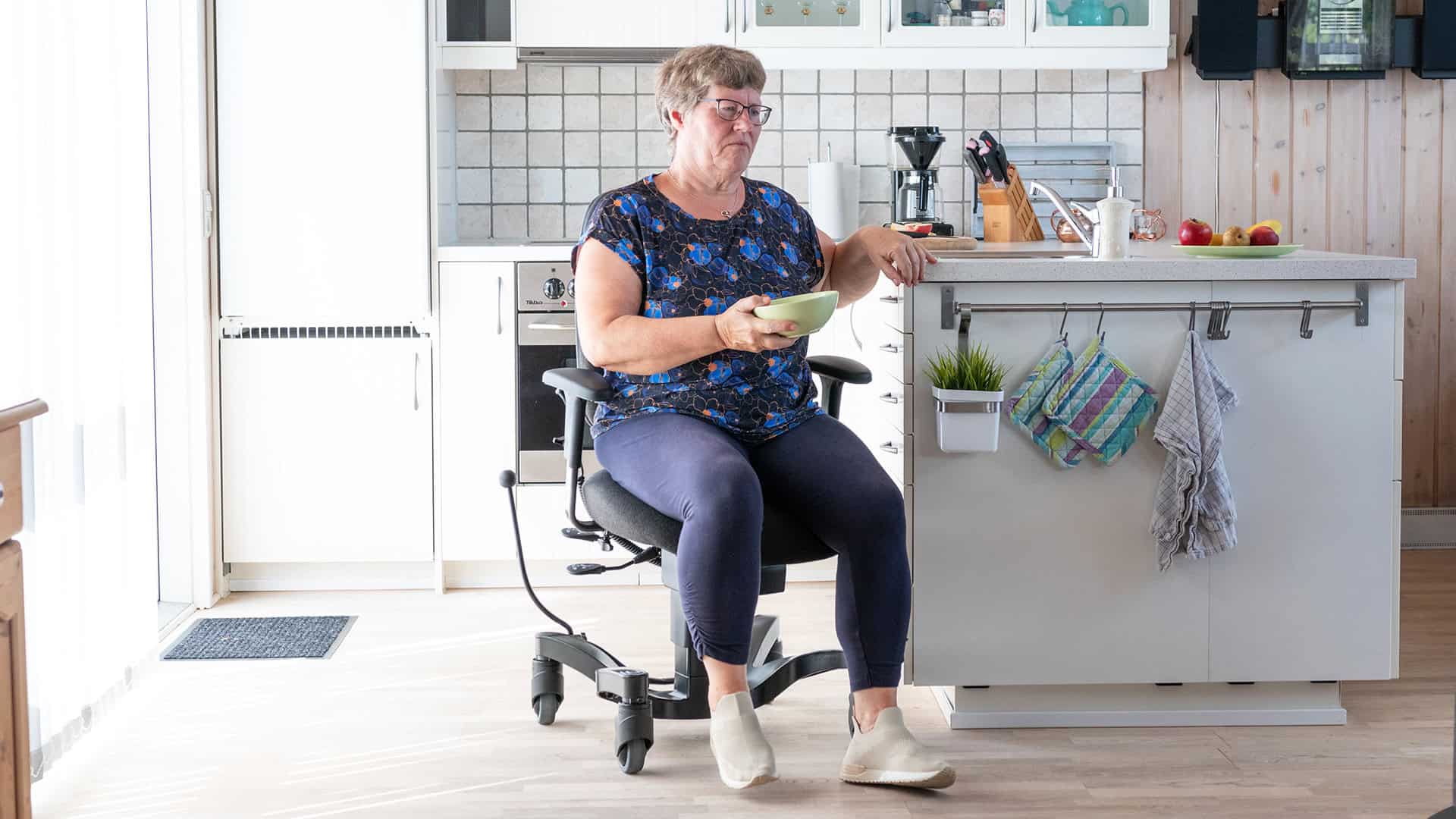
As families navigate the challenges of assisted living and nursing homes, finding solutions that promote independence for seniors is crucial. While nursing homes provide essential care, they often come with limitations to personal freedom. For those looking to maintain some level of autonomy in their daily activities while living at home, solutions like VELA mobility chairs become invaluable. VELA chairs are medically approved mobility aids designed specifically for home use. These chairs enhance safety and freedom of movement while seated, supporting daily activities such as cooking and dressing, and assist with safer transferring. Their thoughtful design alleviates the load on informal caregivers, providing peace of mind and contributing to a more independent lifestyle for the elderly. In the broader assisted living community, facilities such as Ohana are now also leveraging AI-enabled mobility aids and adaptive solutions to promote independence and safety for residents with a wide range of needs.
Choosing the Right Path for Elderly Care with Ohana
As Dr. Michael Lee, a noted geriatrician, advises, “When choosing assisted living, families should prioritize licensed facilities with specialized staff for dementia and frequent mobility support.”
Ohana Assisted Living’s unique blend of cultural sensitivity, family involvement, and comprehensive care options positions it as a leader in senior care services in Hawaii. Their collaboration with local organizations, like recent integrated care programs with Ohana Health Plan and Hope Services Hawaii, now brings together medical, behavioral, and technological support for residents with complex needs.[1] For those seeking a nurturing and supportive environment for their loved ones, Ohana offers a valuable choice, marrying traditional values with cutting-edge care. Facilities have also expanded the use of technology-driven communication tools, fostering stronger family ties and active engagement—core components of the ohana philosophy.
In conclusion, Ohana Assisted Living not only provides essential care and services but also fosters a family-like atmosphere that enriches the lives of its residents. Recent updates in regulatory standards, partnership-driven care, and the integration of leading-edge rehabilitation and mobility technologies support optimal resident outcomes. For more detailed information and advice on elder care, visiting credible sources and consulting experts are recommended steps in making informed decisions for your loved ones.
How Mobility Solutions Like VELA Make a Difference
Mobility aids like VELA Mobility Chair Features play a critical role in supporting elderly individuals to stay independent in their own homes longer. The unique features of VELA chairs, such as a central brake for enhanced safety and electric height adjustability, enable seniors to perform daily tasks like cooking, cleaning, and relaxing with greater ease and security. Additionally, the ease of movement while seated can significantly delay the need for nursing home care, offering benefits like dignity, freedom, and energy-saving. By accommodating safe transfers and reducing fatigue, VELA chairs can alleviate some of the physical and emotional burdens faced by both seniors and their caregivers. While VELA is not the sole solution, its practical design provides a proven benefit, promoting a healthier and more independent lifestyle for the aging population. In line with current trends, facilities are integrating technology-assisted rehabilitation, such as virtual reality and robotics, to foster active aging. For more insights on how these chairs support active aging, visit VELA Chairs for Seniors.
Sources:
[1] PR Newswire (Jan 2025) — Launch of Ohana Health Plan & Hope Services Hawaii integrated clinical care residential program
[2] Seniorly — Overview of Ohana Assisted Living services, costs, and community features in Honolulu
[3] State of Hawaii Assisted Living Facility Regulations
[4] Ohana Pacific Health News (2025) — Organizational updates and workforce development initiatives supporting senior care