

Updated February 2026: We have updated the article to reflect Maryland’s April 2025 regulatory overhaul of assisted living, including enhanced resident rights, new requirements for manager licensure and staff training, anti-discrimination protections, and changes to OHCQ forms and compliance tools. The summary includes the latest guidance on facility operations, updated resident agreements, expanded protection for those with disabilities, and stronger enforcement against unlicensed facilities.
Understanding OHCQ Assisted Living Forms and Their Role in Maryland Senior Care
Navigating the terrain of assisted living in Maryland involves a critical understanding of OHCQ (Office of Health Care Quality) forms. These forms are pivotal in ensuring compliance and guaranteeing quality in Maryland’s assisted living facilities. According to the Maryland Department of Health, OHCQ not only licenses facilities but also dictates the standards they must meet to operate. This system is designed to enforce rigorous regulatory standards, ensuring facilities offer the best possible care to the elderly population and are monitored regularly for compliance.
Maryland is home to a significant elderly population, with over 1.3 million seniors, increasing the demand for high-quality assisted living facilities. The OHCQ forms, such as the initial application, compliance reports, and incident reports, are vital tools for administrators and families alike. According to the Maryland Assisted Living License Application, these forms ensure transparency, uphold quality standards, and maintain safety protocols for residents.
Demographics and Health Profiles of Maryland’s Assisted Living Residents
Understanding the demographics and health needs of Maryland’s assisted living residents is crucial for planning effective care. Typically, residents are 65 years and older with common conditions such as Alzheimer’s, mobility impairments, and chronic illnesses like diabetes and heart disease. Residents come from diverse socio-economic backgrounds, often relying on a mix of personal funds, long-term care insurance, and, in some cases, Medicaid.
A peer-reviewed study on Quality of Life in Assisted Living Facilities emphasized the residents’ value in tailored care plans that address both physical and psychological needs. Maryland’s facilities must therefore adeptly manage these diverse needs, necessitating comprehensive OHCQ forms that document and guide essential care plans.
Step-by-Step Guide to the OHCQ Licensing & Compliance Process
The OHCQ licensing process in Maryland is methodical and detail-oriented, starting with pre-admission requirements, including necessary assessments and medical clearances. Facilities must submit an initial application outlining how they will adhere to Maryland’s directives. According to MyFieldAudits, maintaining compliance involves meeting specific pre-admission, staffing, and emergency preparedness requirements.
Following the April 2025 regulatory overhaul, Maryland now requires updated OHCQ forms and compliance tools that reflect expanded resident rights, stricter staff qualifications, and clearer operational directives. All facilities must implement the new Resident Bill of Rights, which provides explicit protections from financial exploitation, involuntary seclusion, and discrimination based on disability or other protected characteristics.
The regulations require that memory care and Alzheimer’s units maintain awake overnight staffing to support residents with dementia or cognitive impairment. Assisted living managers (ALMs) must complete an expanded 80-hour training course, obtain CPR certification, and obtain licensure by July 1, 2026. Menus must now be reviewed by a dietitian or nutritionist, and resident agreements within OHCQ forms require enhanced disclosures on medication self-administration, discharge and readmission policies, and hospice integration. Assessments are to be conducted by a licensed ALM and, where required, a director of nursing or designee.
Updates also clarify that all Maryland assisted living facilities must comply with detailed anti-discrimination rules and service member screening requirements, and forms now direct that only licensed facilities may operate, with heightened penalties for violations.
Sources: McKnight’s Senior Living, Garfunkel Wild LLP, Maryland Department of Health, Maryland Department of Health, Maryland Department of Health, MD SB293 (LegiScan).
Once licensed, facilities undergo regular inspections. Any noted deficiencies result in a mandatory plan of correction. A case study of a Maryland facility illustrated how diligent adherence to these standards improved resident satisfaction and regulatory compliance over time.
How to Evaluate and Choose a Maryland Assisted Living Facility
Selecting the right assisted living facility involves examining OHCQ compliance reports, which provide insights into the facility’s adherence to required standards. It is essential to inquire about staff training and emergency protocols to gauge the facility’s operational competencies. Cost structures vary significantly, typically ranging from $4,500 to $6,500 per month, depending on care level and facilities offered, according to the AHCA/NCAL Maryland State Regulatory Summary.
The most recent regulatory changes further protect residents through enforceable anti-discrimination rules, enhanced transparency in resident agreements, financial safeguards against exploitation, and resident rights policies that must be documented as part of mandatory forms. Changes require facilities to clearly outline procedures for medication self-administration, discharge, and access for non-residents such as hospice, providing families and residents with greater clarity before admission.
Enforcement against unlicensed facilities has also been strengthened, and OHCQ forms must be used only by licensed settings, supporting families’ efforts to identify and avoid noncompliant operations.
Sources: McKnight’s Senior Living, Garfunkel Wild LLP, Maryland Department of Health, Maryland Department of Health, Maryland Department of Health, MD SB293 (LegiScan).
With respect to Continuing Care Retirement Communities (CCRCs), starting January 1, 2026, new legislation requires each CCRC to appoint an alternate resident to the governing board if only a single resident is serving. This measure further supports resident representation and transparency within these organizations.
Source: Whiteford Taylor & Preston LLP.
Real-life examples underscore the importance families place on inspection results when choosing facilities. Many prioritize transparency and confirmed adherence to OHCQ guidelines as they decide where to place their loved ones.
Enhancing Quality of Life in Assisted Living: Tools, Technology, and Environment
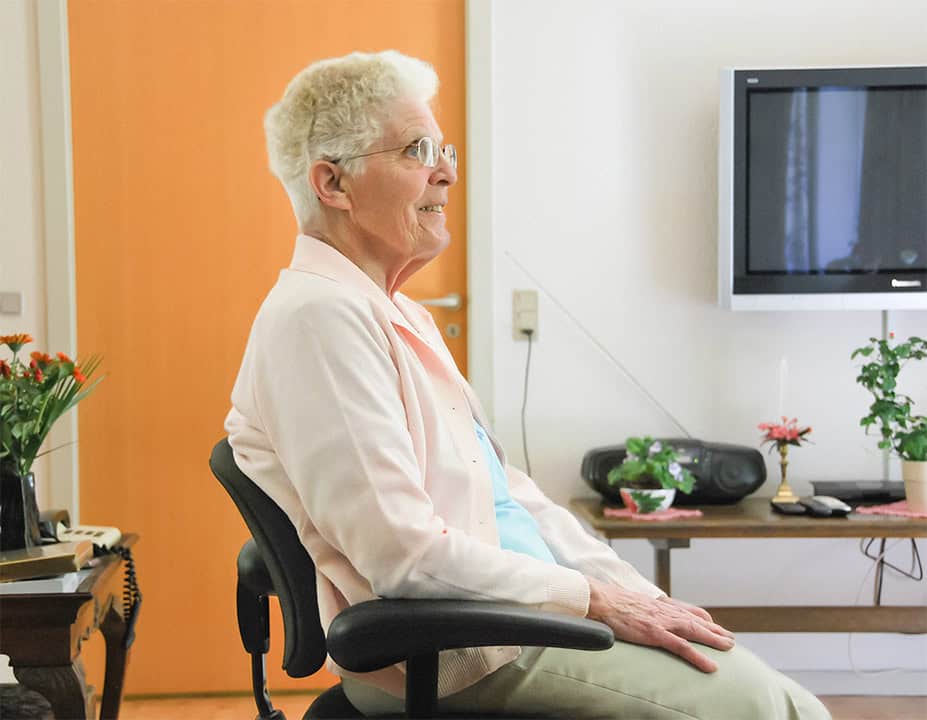
Facility environment and equipment significantly impact residents’ quality of life. Adopting practical solutions for mobility and comfort can enhance both safety and independence for residents. Transitioning from nursing home care to remaining independent at home can pose challenges, particularly for those with mobility issues. Solutions like the VELA Independence Chair can play a pivotal role in this transition. The VELA Chair is a medically approved mobility chair designed for home use, offering enhanced safety, freedom of movement while seated, and support for daily activities such as cooking, dressing, or transferring. Additionally, it helps reduce the caregiving burden by providing ergonomic support to those managing tasks at home.
While current Maryland regulations as of 2025 do not require specific assistive devices or ergonomic features in assisted living settings, the updated rules emphasize nondiscrimination, individual care needs (especially for those with disabilities), and staff training that supports mobility-impaired and cognitively impaired residents. Facilities are encouraged to assess and integrate inclusive design and technology solutions—such as adaptive equipment—to enable safe, individualized daily living and rehabilitation. This regulatory approach directly addresses the rights and needs of residents with disabilities, aligning operational practices with emerging best practices in senior care.
Sources: AHCA/NCAL, Maryland Department of Health, Garfunkel Wild LLP, Maryland Department of Health.
Comprehensive Insight into OHCQ Assisted Living Forms and Decision Making
The role of OHCQ forms extends beyond mere paperwork; it ensures quality care and compliance across Maryland’s assisted living facilities. These forms, reflecting stringent regulatory standards, empower families to make informed choices, ensuring their loved ones receive the best possible care.
Incorporating supportive technologies, maintaining compliance, and understanding resident demographics are integral to achieving excellence in Maryland’s senior care landscape. Through thoughtful evaluation and understanding of these components, families can feel confident in their decisions regarding assisted living options.