

Updated February 2026: We have updated the article with the latest advancements in AI-powered mobility aids, smart wheelchairs with terrain adaptation, wearable robotic exoskeletons, sensor-based fall prevention systems, remote health monitoring, and regulatory trends shaping senior independence in Orland Park assisted living options. Remote telehealth integration, voice-activated assistive technology, and insurance coverage trends are also reflected to align with 2026 best practices.
Understanding assisted living options in Orland Park, IL
Residents and families seeking “Orland Park assisted living” solutions are increasingly aware of the need for specialized senior care facilities due to the aging population. Approximately 46.5% of Orland Park’s population consists of older adults, highlighting the pressing demand for quality assisted living solutions, as noted by SeniorLiving.org.
In Orland Park, assisted living facilities provide varied levels of care, ranging from basic assistance to specialized memory care. For example, Smith Crossing offers a full continuum of care, allowing for a seamless transition from independent living to higher assistance levels as residents’ needs evolve, according to Smith Crossing. Consider Mrs. Thompson, an Orland Park resident who initially lived in an independent apartment but moved to assisted living at Smith Crossing after experiencing mobility challenges. Such real-life scenarios reflect the flexibility and comprehensive support offered by these establishments.
Cost of assisted living in Orland Park: What to expect
Understanding the cost structure is crucial for families planning for assisted living. According to Discovery Commons Orland Park, the typical assisted living monthly expenses in Orland Park range from $5,294 to $5,491, which is slightly above Illinois and national averages. This cost variation is reflective of the socio-economic profile of Orland Park, which predominantly caters to middle and upper-middle-class seniors.
Financial planning is especially crucial for retirees on fixed incomes. Families are encouraged to explore financial strategies, including long-term care insurance and Medicaid waivers, that may help cover some costs. These financial considerations are vital for making informed decisions about assisted living expenses.
Enhancing senior safety and independence: The role of modern mobility solutions
For seniors, maintaining mobility and independence is critical to their quality of life. The field of assistive technology has experienced significant developments since 2025. Modern solutions now include AI-powered smart wheelchairs and all-terrain mobility aids that adapt to varied surfaces, provide autonomous navigation, and offer fall detection features (Mobility Management; AllSeniors.org). Sensor-equipped walkers with auto-emergency calls and wearable health trackers now support chronic condition management, while robotic exoskeletons offer advanced gait support, especially benefiting users with neurological or spinal conditions (AllSeniors.org).
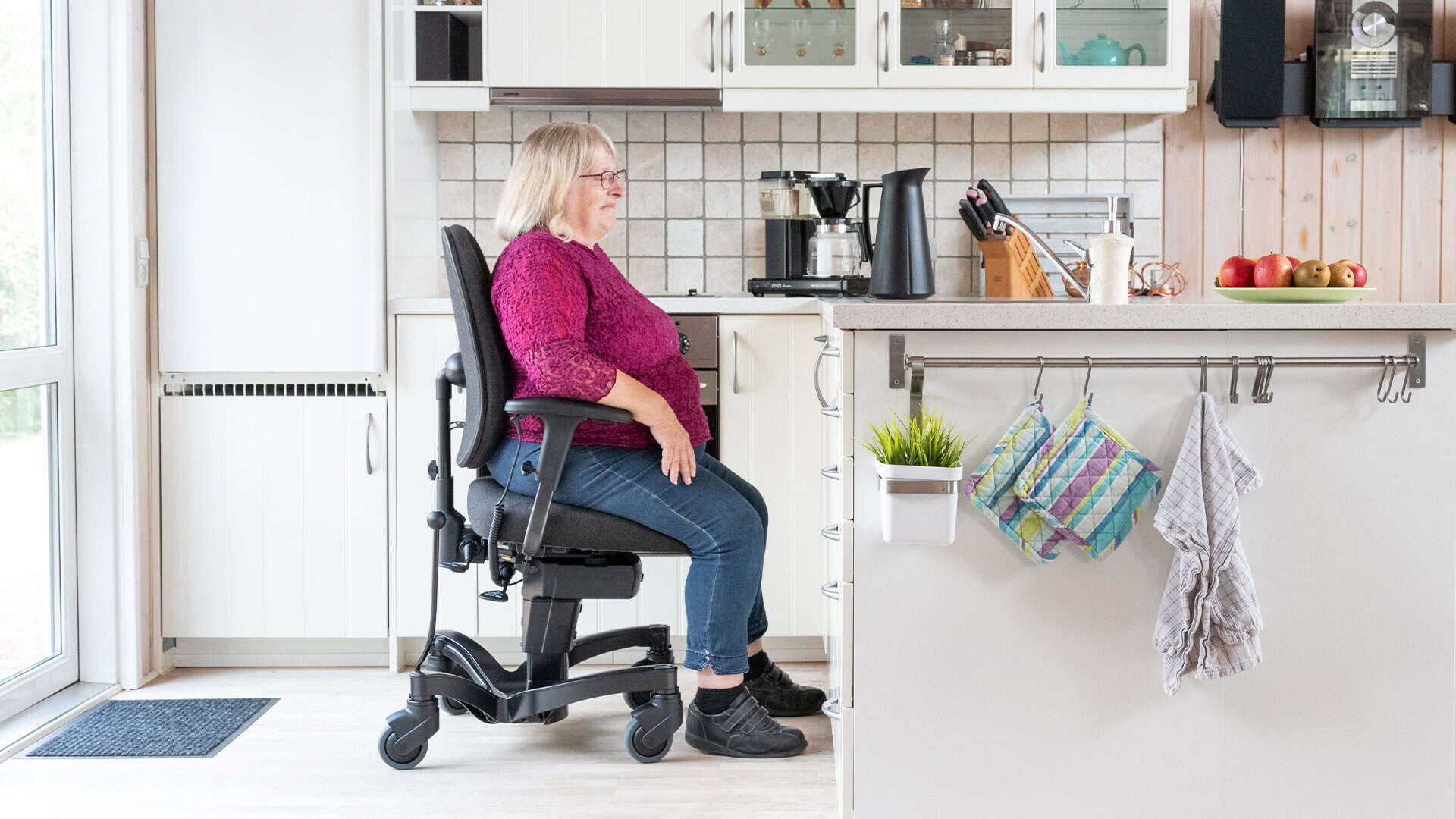
New ergonomic and sensor-integrated devices, such as the VELA Independence Chair and XSTO stair-climbing chairs, are part of a broader movement toward inclusive and personalized mobility. These devices feature health monitoring, predictive fall prevention, remote alerts, and voice-activated controls for ease of use. Assisted living facilities in Orland Park, such as Smith Crossing and others, are integrating technologies like smart home sensors, radar-based fall prevention, and telehealth access, supporting both older adults and caregivers (Age Safe America).
These innovations promote aging in place by allowing seniors to remain safely at home, supported by remote monitoring and 24/7 telehealth access, thereby reducing the burden on caregivers. Regulatory trends are beginning to support insurance funding for some advanced mobility features, such as LUCI systems. All-terrain power chairs, like those featured at CES 2026, support outdoor access and independence in diverse living environments (Mobility Management).
Personalized rehab technology, including AI-guided exercise apps and video-enabled physical therapy, are now making home-based recovery and daily activity support more effective (AgeInPlaceTech). Together, these connected solutions enhance safety, provide ongoing engagement, and support independent living.
Evaluating top-rated assisted living facilities: Reviews & amenities
Researching top-rated facilities is essential for deciding on the best assisted living options. For instance, Brookdale Glen Ellyn, reviewed on A Place for Mom, is praised for its social environment, staff interactions, and comprehensive amenities. Key considerations when evaluating facilities include staff training and emergency response capabilities, which are crucial for resident safety and satisfaction.
Testimonials often highlight important aspects such as clean environments and the warmth of staff, reinforcing the significance of personal engagement and high-standard living conditions. Facilities adopting advanced assistive technology report improvements in resident safety, reduced hospitalizations, and greater efficiency for caregivers, aligning with quality care standards highlighted in 2026 trends (AllSeniors.org).
Recent user experiences and survey data suggest that while adoption of advanced assistive technology is on the rise in assisted living, some residents and facilities encounter fragmentation and usability challenges, or face cost barriers with newer devices. Technology assessments and updated regulatory guidance, including considerations for data privacy and ethical AI usage, are helping to address these barriers, making the deployment of smart assistive technologies safer and more effective (Market.us Media; PMC Article).
In summary, Orland Park offers a range of assisted living options that cater to diverse needs, from cost structures and care levels to modern mobility solutions and amenities. Families should carefully evaluate each facility’s offerings, considering both tangible services and the intangible aspects like staff engagement and community atmosphere. For further information on assisted living standards and regulations, Medicare.gov provides comprehensive resources on consumer rights and facility compliance.
Supporting aging in place: A practical option
The VELA Independence Chair is a valuable asset for those preferring to age in place. Its design focuses on safety, featuring a central brake to help prevent falls and allow secure sitting or standing transitions. Additionally, the chair’s electric height adjustability and smooth movement facilitate easy access to high shelves or kitchen counters, empowering users to engage in daily activities like cooking and cleaning independently. This considerably reduces the physical stress on caregivers, offering them peace of mind knowing their loved ones can carry out many tasks by themselves. Such features of VELA Chairs, especially when integrated with smart sensors, remote alerts, or paired with wearable health trackers, make them a favorable choice for prolonging the ability to live comfortably and safely at home, potentially delaying the transition to traditional nursing home facilities. While VELA is not the only solution, it remains a proven and practical option for maintaining dignity, freedom, and safety (Age Safe America).
Furthermore, the integration of assistive technology with digital care models and remote monitoring services now enables both seniors and their caregivers to stay connected to clinical support teams, coordinate personalized interventions, and maintain a higher quality of life (Equal Accessibility LLC). Regulatory and insurance developments in 2026 are making the adoption of these advanced technologies increasingly accessible in Orland Park and beyond (AllSeniors.org).
- CES 2026: 4 Assistive Technology Exhibitors to Watch (Mobility Management)
- Top Durable Medical Equipment Trends for Aging Seniors in 2026 (AllSeniors.org)
- How AI-Powered Home Health Services Are Transforming Senior Care in 2026 (AllSeniors.org)
- Smart Home Devices for Senior Independence in 2026 (Age Safe America)
- Ten Technologies from CES 2026 (AgeInPlaceTech)