

Updated February 2026: We have updated the article with the latest innovations in assistive technology, including AI-powered mobility solutions, modular wheelchair upgrades, wearable sensor systems, stair-climbing robotic chairs, and the integration of WHO policy recommendations for accessible, user-centered care in assisted living. Additional sections reflect trends in affordability, rehabilitation practices, and expanded adoption of smart devices and pressure sore prevention tools for seniors.
Comprehensive Guide to Oyster Bay Assisted Living: Options, Costs, and Considerations
As the senior population grows, the need for premier assisted living options becomes increasingly critical. Located on Long Island’s Gold Coast, Oyster Bay stands out as a prominent choice for senior care, blending picturesque landscapes with a thorough range of services. With approximately 38 assisted living facilities, Oyster Bay offers families an expansive selection of care and living arrangements to suit diverse needs. According to APlaceForMom, this region provides abundant options for those seeking quality care.
Exploring Assisted Living Options in Oyster Bay
Oyster Bay’s assisted living landscape caters to various preferences, offering a mix of apartment-style units and smaller group homes. This allows residents to maintain a level of independence while receiving the necessary support for daily activities. For example, a senior moving from independent living into one of these supportive communities might begin in a studio apartment at Oyster Bay Manor, transitioning to more personalized care as their needs evolve. According to FamilyAssets, these communities provide detailed insights into the living arrangements, balancing personal freedom with necessary assistance.
Residents frequently highlight the community’s vibrant social atmosphere, describing their experiences in these settings as both supportive and independent. One resident recounts morning exercises followed by a communal breakfast where friendships are built over shared stories, showcasing the community’s commitment to fostering a familial environment.
Understanding the Costs of Assisted Living in Oyster Bay
Oyster Bay is considered a premium market for assisted living, with costs reflective of its high-quality services. Monthly expenses vary based on the facility and level of care required. For instance, at Oyster Bay Manor, monthly rates can range from $3,550 to $7,372, making financial planning a crucial part of the decision-making process. According to Caring, base costs typically cover housing, meals, and basic care, with additional services available for a fee.
While higher cost facilities often provide more comprehensive services, some families might find suitable solutions in more affordable settings without compromising on the quality of care. It is essential for families to thoroughly review the cost structures, ensuring alignment with the specific needs of their loved ones.
Services and Amenities: Enhancing Senior Living
The services and amenities offered at Oyster Bay’s assisted living communities are designed to enrich the residents’ lives while ensuring their wellbeing. Core services often include meals, housekeeping, and a variety of social activities, with specialized programs available for those needing memory care. According to Oyster Bay Senior Campus, a day in the life of a resident at Harbor House might begin with a community breakfast, followed by a memory care session tailored to enhance cognitive function, finishing with an organized activity or outing.
Recent advances are making a significant impact in assistive living. In 2026, AI-powered mobility solutions and modular upgrades have transformed available support. Senior residents now benefit from technologies like the LUCI smart wheelchair add-on (with seat pressure sensors and app control to help prevent pressure sores), WheelMove electric propulsion (retrofits most manual wheelchairs for power assist and a 25 km range), and XSTO X12 all-terrain robotic power chairs capable of stair climbing and outdoor navigation.[1][2]
Wearable innovations continue to improve autonomy: iSee AI glasses provide audio-based navigation cues for low vision users, and haptic wearables like Aleye offer social cue feedback. Modular add-ons, such as LUCI, allow existing wheelchairs to be retrofitted—with pressure monitoring, app-based configuration, and safety alerts—improving outcomes without requiring full equipment replacement.[1][2][5]
In the broader community, MaaS-Bridge AI platforms now optimize accessible pick-up and drop-off points for wheelchair users and seniors in autonomous public and private transport, further enhancing real-world mobility and reducing the logistical burden on caregivers.[2][8]
Affordability and inclusion have also seen progress. Products like the Nemonic Dot Braille labeler, at a sub-$1,000 price point, are increasing independence in labeling and identification for those with visual disabilities. Home robotics for rehabilitation, such as ReviMo Niko for bed-to-chair transfers, expand user-centered support, and AI-powered brain-computer interface trials (e.g., Neuralink) point to further future potential for those with spinal injuries.[1][5]
Oyster Bay facilities are increasingly guided by global best practices. The latest World Health Organization recommendations call for universal access to assistive technology through innovation and integrated policy aligned with universal health coverage. This ensures amenities like pressure sore prevention, modular chair upgrades, and inclusive transport solutions are reaching more residents than ever before.[8]
Innovations in rehabilitation include AI prosthetics, sip-and-puff control systems, and user-centered co-design approaches that make programming and operation accessible for a wide range of users. Insurance funding toolkits and adoption trend resources also help families match optimal solutions to needs and budgets, broadening access to vital technology.[1][5][6][8]
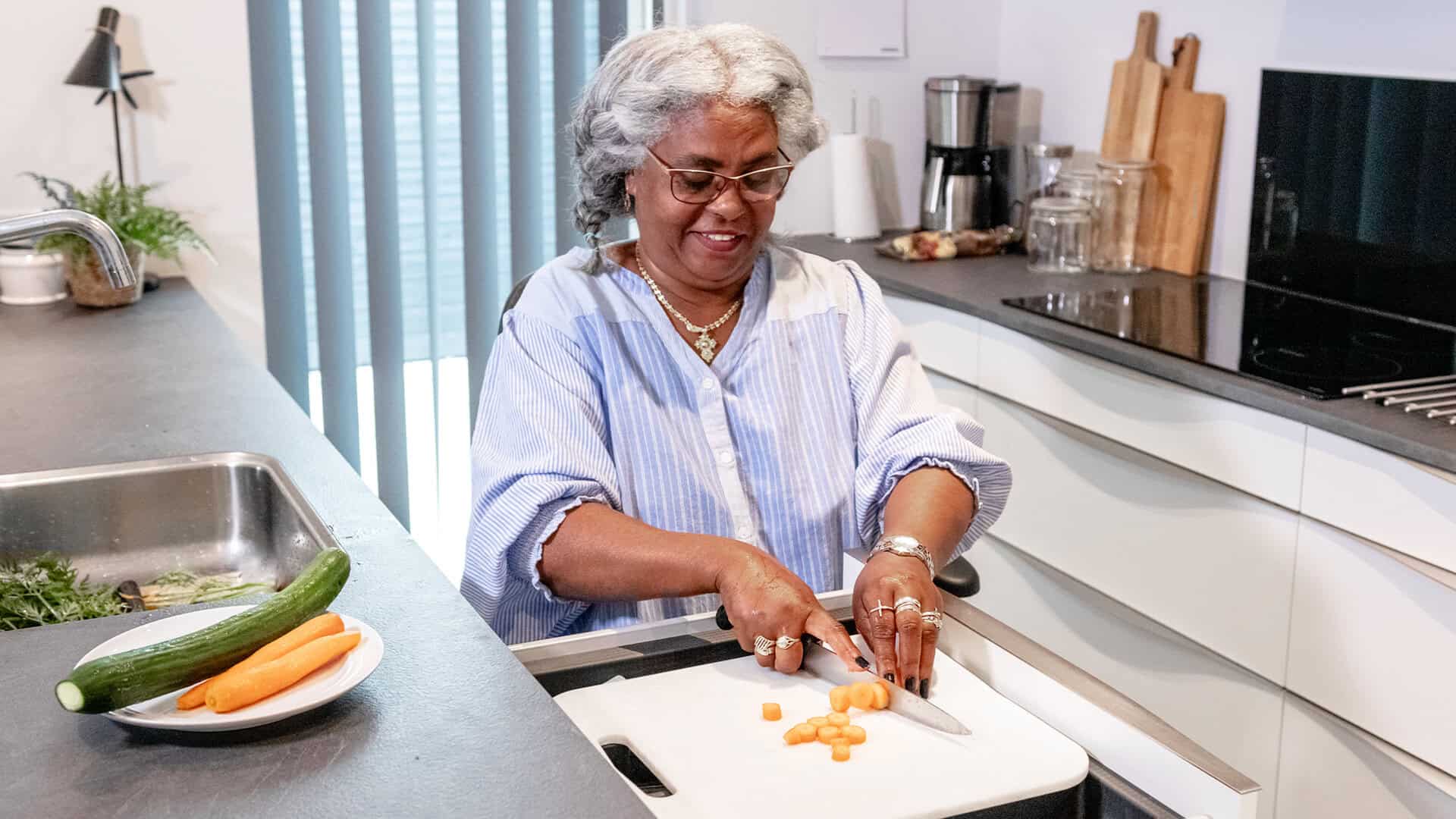
In navigating the challenges of aging, particularly the balance of independence and required assistance, innovations like the VELA mobility chairs provide significant support. These chairs can be integral solutions that help older adults retain autonomy while residing at home. VELA, a medically approved mobility chair, is designed to deliver enhanced safety and freedom of movement while seated. Its features support daily activities such as cooking, dressing, and transferring, reducing the burden on informal caregivers who assist seniors at home.
VELA Chairs for Assisted Living can be seen as enhancing the balance between structured aid and independent movement within assisted living communities, ensuring comfort and security in daily interactions.
Making Informed Choices in Oyster Bay Assisted Living
Deciding on the right assisted living community in Oyster Bay requires careful consideration of various factors, such as the balance between independence and structured care. By leveraging data from sources like Seniorly, families can make informed decisions, ensuring their loved ones receive comprehensive care tailored to their unique needs. Evaluating diverse facility options and understanding the role of mobility aids like VELA chairs are key components in enhancing the quality of life for seniors in Oyster Bay assisted living communities. Through meticulous research and open communication with potential facilities, families can confidently place their trust in an environment that champions safety, support, and, above all, a dignified life for their loved ones.
In reviewing leading options, families should look for the adoption of advanced assistive technologies, including AI-powered smart seating systems for pressure relief, stair-climbing power chairs, AI navigation wearables, and modular wheelchair upgrades. Prioritizing these solutions not only increases independence and security but also aligns with evolving global standards and policy recommendations.[1][2][5][8]
Balancing the benefits of assisted living with potential limitations, such as cost and availability of desired amenities, is crucial in making the right choice. The range of services, community culture, and regulatory compliance should all be considered during the selection process, ensuring the chosen facility aligns with both the senior’s expectations and the family’s assurance needs.
Supporting Aging in Place: A Practical Option
Innovations like the VELA mobility chairs are paving the way for seniors to remain independent longer within their own homes. These chairs are equipped with features such as a central brake for added safety, an electric height adjustability for easier food preparation or reaching high places, and a design that allows effortless movement while seated. Such features not only cater to physical needs but also preserve the dignity and freedom of seniors by empowering them to engage in daily tasks with minimal assistance. Consequently, the use of VELA Chairs could postpone or even eliminate the need for transitioning into full-time nursing care, offering a practical and dignified alternative for those who wish to age in place gracefully. While alternatives exist, VELA offers a proven solution that promotes safety, energy conservation, and autonomy in everyday life.
References
- Assistive Technology for People with Disabilities (AbilityMT.org): iSee AI Glasses, LUCI smart wheelchair add-ons, Neuralink BCI trials, and smart wheelchair platforms. [1]
- CES 2026: 4 Assistive Technology Exhibitors to Watch (Mobility Management): WheelMove propulsion module, XSTO X12 all-terrain chairs, MaaS-Bridge AI for accessible transport, and SEERU. [2]
- Aira: Real-time AI-powered visual interpreting service connecting users to trained agents for navigation and access to information in healthcare and public sectors. [4]
- CES 2026 Includes Mobility, Health and Smart Home Tools (Accessibility.org.au): ReviMo Niko robotic transfer aid, Aleye haptic wearable, and Nemonic Dot Braille labeler. [5]
- AFB and Northern Illinois University: Research on wearable assistive devices, VR/AR in rehabilitation, outdoor navigation tools, and accessible programming through co-design approaches. [6]
- WHO Fact Sheet on Assistive Technology: Global policy recommendations and integration with universal health coverage for accessible, affordable solutions. [8]