

Updated February 2026: We have updated this article to include new FDA-approved adaptive deep brain stimulation (aDBS) systems, AI-driven gait optimization, advanced wearable robotic solutions for mobility challenges, voice-based assistive technology for communication difficulties, and the latest Parkinson’s Foundation guidance promoting personalized, multidisciplinary rehabilitative care. The updates reflect the newest technology options and highlight the need for individualized treatment and enhanced staffing expertise in Parkinson’s assisted living settings.
Navigating Parkinson’s Assisted Living Facilities Near Me
Searching for “Parkinson’s assisted living facilities near me” is a critical task for families and individuals seeking specialized care for this progressive condition. With an estimated 10 million people living with Parkinson’s worldwide and about 60,000 new diagnoses in the United States annually (mainly seniors over 60), the demand for dedicated care is increasing. According to the Parkinson’s Foundation, these numbers highlight the importance of specialized support and care facilities.
Recognizing Specialized Care Needs for Parkinson’s Patients
Parkinson’s disease involves specific symptoms like tremors, muscle stiffness, bradykinesia (slowness of movement), and balance issues, greatly affecting daily life and independence. Specialized facilities are equipped to meet these needs with trained staff ready to offer help with mobility and manage medications. For instance, Margaret transitioned to a specialized Parkinson’s facility and improved notably in mobility and life quality due to personalized care and therapy. Such real-life cases underscore the significant impact equipped facilities can have on Parkinson’s patients.
Recent advancements in Parkinson’s care now include FDA-approved adaptive deep brain stimulation (aDBS) systems. These AI-guided devices continuously monitor brain activity and automatically adjust stimulation to optimize control of motor symptoms for each individual, advancing beyond traditional DBS by providing tailored, real-time therapy. The personalization available with aDBS, as demonstrated in recent UC San Francisco research, means stimulation settings can be highly individualized, better supporting residents whose symptom management needs vary throughout the day. Facilities with access to these technologies may provide improved, patient-specific neuromodulation, enhancing outcomes for those with complex or treatment-resistant symptoms.[1] [2] [3]
In addition, soft robotic wearable devices, developed by leading research teams, are emerging as an option to address severe gait freezing and restore more natural walking ability, significantly benefiting residents with advanced mobility challenges.[4]
To further support independence, AI-powered assistive technologies for communication are being introduced. For example, voice recognition systems such as Wispr Flow have been adapted specifically for people with Parkinson’s who experience speech, tremor, or mobility difficulties, integrating symptom tracking to assist with daily living and communication.[5]
How to Choose the Best Parkinson’s Assisted Living Facility
Selecting the right facility involves evaluating important factors, such as staff expertise, safety features, and specialized services. Personal facility visits and direct discussions with staff provide valuable insights. The Parkinson’s Foundation offers a comprehensive guide to help families identify the most suitable locations.
Current best practices, supported by new consensus guidelines from the Parkinson’s Foundation, emphasize early and ongoing involvement of multidisciplinary rehabilitation—including physical, occupational, and speech therapy—throughout all stages of the disease. Facilities that prioritize proactive, individualized rehabilitation and employ staff trained in advanced therapies and technologies are best positioned to help residents optimize their mobility, safety, and independence. Significant evidence now indicates a one-size-fits-all approach is clinically outdated; personalized intervention planning tailored to each resident’s unique combination of symptoms, abilities, and needs is essential.[6] [7] [8]
AI-driven gait optimization is a prominent new advance. Machine learning algorithms analyze individual walking patterns and then fine-tune DBS settings to provide faster, more stable steps—addressing a symptom that previously had few effective treatment options. Facilities offering access to these breakthrough technologies and the expertise to apply them are setting new standards for comprehensive Parkinson’s care.[2]
Consider the experience of one family who prioritized effective therapy and support, eventually choosing a center renowned for its specialized Parkinson’s care. They noted a significant improvement in their loved one’s well-being, showcasing the value of thoughtful decision-making.
Exploring Leading Parkinson’s Care Programs Nationwide
Across the country, several facilities offer specialized Parkinson’s programs. Notable locations such as Youville House Assisted Living provide customized services like care plans and therapies tailored to enhance residents’ lives. SeniorLiving.org notes that many facilities provide programs to address the unique challenges of Parkinson’s care.
According to recent studies and formal rehabilitation guidelines, multidisciplinary and individually tailored exercise programs remain critical in managing Parkinson’s symptoms. Programs may include dance to improve balance, resistance training to address mood and quality of life, and mind-body activities such as tai chi or yoga for cognitive and motor benefits. Facilities increasingly customize these regimens, ensuring that both physical and non-motor symptoms are addressed for comprehensive wellness.[6] [9]
Residents experience enhanced quality of life through personalized therapy and engaging activities. Take John’s experience, for example, a resident at a well-equipped Parkinson’s facility who thrived due to comprehensive therapy and social engagement, showcasing the effectiveness of targeted programs.
Emerging Technology Capabilities in Parkinson’s Assisted Living Facilities
Advancements in Parkinson’s care now enable assisted living facilities to integrate leading-edge assistive and rehabilitative technologies, which include:
- Adaptive Deep Brain Stimulation (aDBS): FDA-approved, AI-guided systems provide real-time, patient-specific neurostimulation for optimal motor symptom management.[1] [2] [3]
- AI-Enhanced Gait Optimization: Machine learning techniques tailor gait interventions and adjust therapeutic devices for improved walking, directly addressing advanced mobility impairments.[2]
- Soft Robotic Wearables: Devices such as soft exosuits can eliminate freezing of gait, offering effective support where conventional interventions are inadequate.[4]
- Voice-Based Assistive Technology: AI-powered voice recognition and communication devices are specifically modified for Parkinson’s-related speech difficulties and tremor, maintaining residents’ ability to communicate and manage daily tasks.[5]
Adopting these advanced technologies requires facilities to maintain appropriately trained clinical and technical staff, further underlining the importance of selecting centers with proven expertise in personalized, technology-integrated Parkinson’s care.
Innovative Mobility Solutions: The Role of VELA Chairs in Parkinson’s Care
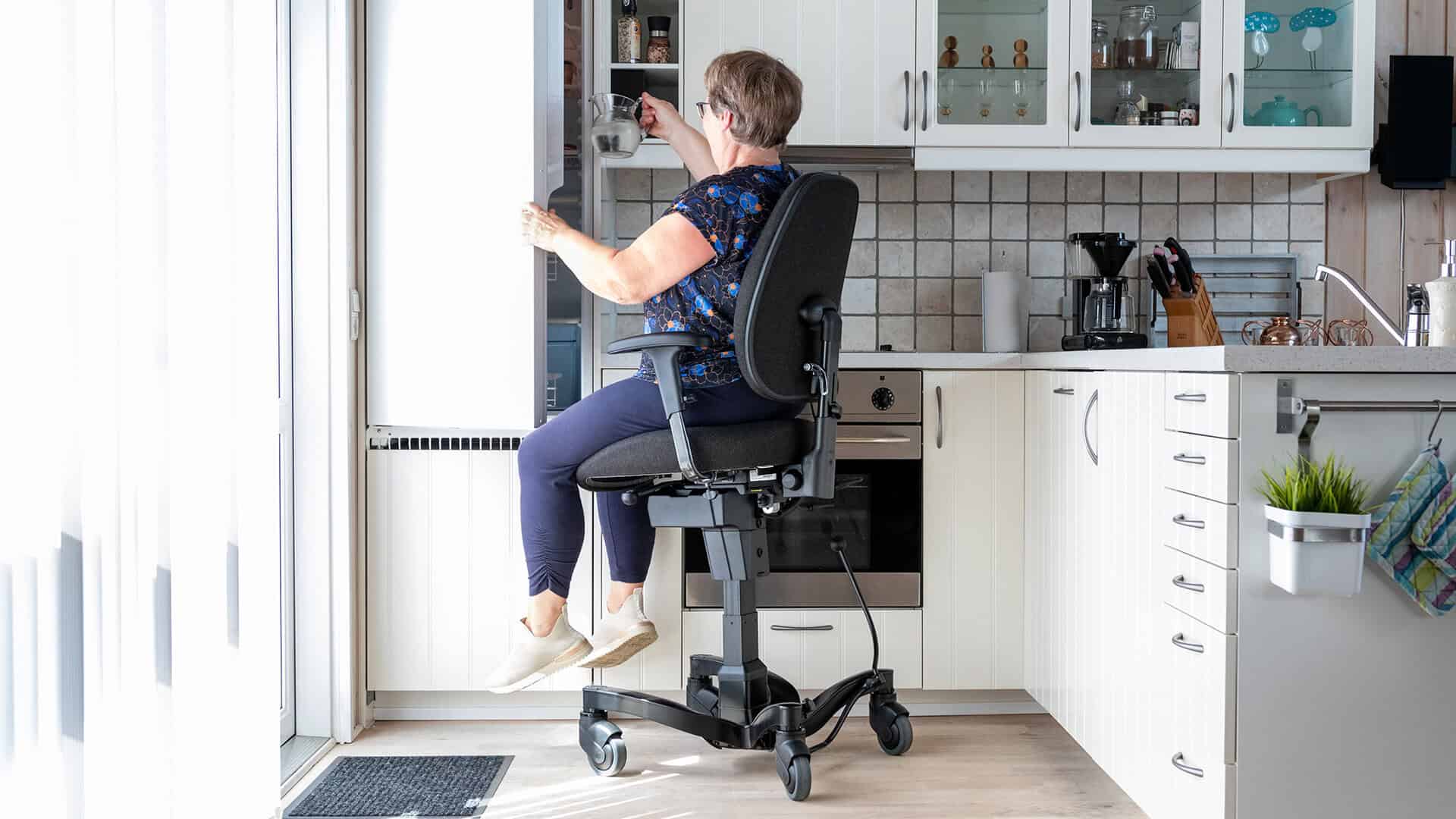
While assisted living facilities provide essential support for managing Parkinson’s, many families are keen on extending independence to home settings. Solutions like VELA chairs present a compelling option for promoting home safety and autonomy. VELA chairs are medically approved mobility chairs designed for home use, offering enhanced safety, freedom of movement while seated, and robust support for daily activities like cooking, dressing, or transferring. Importantly, they also help reduce the physical demands on informal caregivers, creating a safer and more manageable home environment for both residents and their loved ones.
The landscape of assistive devices continues to evolve rapidly. Alongside VELA chairs, soft robotic exoskeletons now offer additional mobility assistance, and immersive digital tools—including virtual and augmented reality—provide enhanced rehabilitation opportunities for balance, motor control, and gait. These devices may be found in advanced care settings and are becoming increasingly available to support both facility-based and at-home Parkinson’s care.[10] [11]
Navigating Parkinson’s Care: Facility and Home Solutions
Identifying optimal “Parkinson’s assisted living facilities near me” is crucial in accessing specialized care tailored for Parkinson’s patients. Beyond facility-based care, senior home care solutions and support strategies, including mobility aids like VELA chairs, can enhance safety and quality of life. For mobility aids for enhanced safety at home, solutions to reduce fall risk for seniors are indispensable. Moreover, resources such as the Parkinson’s Foundation and Leading Age Aging Services Directory are invaluable. Recent clinical guidelines now especially recommend early and ongoing involvement of physical therapy and rehabilitation specialists to support mobility and maximize independence at every stage of Parkinson’s disease.[6] [7] Ultimately, thorough research, facility visits, and a dual approach involving both facility-based and in-home solutions ensure the best possible support for individuals living with Parkinson’s.
Supporting Aging in Place: A Practical Option
For individuals with Parkinson’s aiming to remain at home, VELA Chairs offer a distinctive advantage by fostering independence and safety. With features like a central brake for stability, electric height adjustment, and effortless movement while seated, these chairs address significant challenges like fall risk and energy conservation. By easing the strain on caregivers and facilitating smoother daily activities—from meal preparation to leisurely relaxation—VELA Chairs significantly delay the necessity of transitioning into nursing homes. They uphold dignity and foster freedom, enabling individuals to age gracefully at home. While various options exist for maintaining autonomy, VELA represents a practical, proven solution to ensuring comfort and safety in familiar surroundings.